
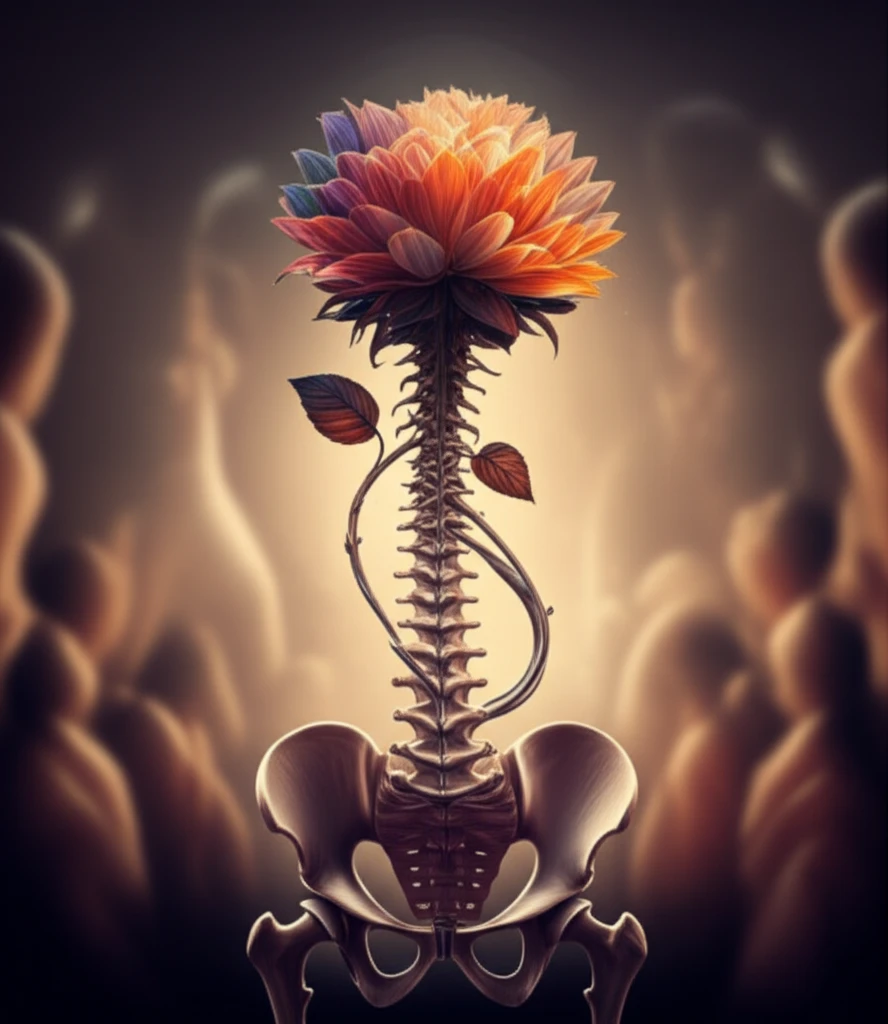
Spinal fusion healing and emotional well-being.

Spinal Fusion and Depression: Unraveling the Link and Finding Hope

"Is there a connection between spinal fusion surgery and the onset of depression? Understand the risk factors, latest research, and strategies for prevention and support."


Spinal fusion surgery is a common procedure aimed at alleviating chronic back pain and improving quality of life. However, some patients experience an unexpected and distressing complication: the onset of depression following surgery. While the physical aspects of recovery are often the primary focus, the mental and emotional well-being of patients undergoing spinal fusion is equally important.

The original article, "Postoperative Depression Following Spinal Fusion Surgery; Is There a Role for Elevated Serum Levels of Cobalt and Chromium?" sparked a conversation about a possible link between elevated serum levels of certain metals and postoperative depression. While this theory is intriguing, the current body of research suggests that the relationship is more complex and multifactorial.

This article delves into the potential connection between spinal fusion surgery and depression, exploring various risk factors, current research, and strategies for prevention and support. Whether you're a patient considering spinal fusion, a concerned family member, or a healthcare professional, this information can help you better understand and address the emotional challenges that may arise.

Understanding the Potential Link Between Spinal Fusion and Depression

Spinal fusion healing and emotional well-being.

The question of why some individuals develop depression after spinal fusion surgery is complex and doesn't have one easy answer. It's essential to recognize that depression is a multifaceted condition influenced by a combination of biological, psychological, and social factors. The surgery itself, along with pre-existing vulnerabilities, can create a perfect storm for the onset of depression.

Several factors can contribute to the development of depression after spinal fusion surgery:

  • Pre-existing Mental Health Conditions: Patients with a history of depression, anxiety, or other mental health disorders are at higher risk for experiencing postoperative depression.
  • Chronic Pain: Living with chronic pain can significantly impact mental and emotional well-being. The persistence of pain even after surgery can be disheartening and contribute to depression.
  • Surgical Trauma: Undergoing a major surgery like spinal fusion can be physically and emotionally taxing. The stress of surgery, anesthesia, and the recovery process can trigger depressive symptoms in vulnerable individuals.
  • Social and Lifestyle Factors: Social isolation, lack of support, and unhealthy lifestyle habits (such as smoking or poor diet) can increase the risk of depression.
  • Expectations and Outcomes: Unrealistic expectations about the surgery's outcome or disappointment with the results can lead to feelings of hopelessness and depression.
It's crucial to understand that postoperative depression is not simply a matter of feeling sad or down for a few days. It's a serious condition that can significantly impact a person's ability to function and enjoy life. Symptoms of depression may include persistent sadness, loss of interest in activities, changes in appetite or sleep, fatigue, difficulty concentrating, and thoughts of suicide.

Taking Action: Prevention and Support

If you're considering spinal fusion surgery, it's important to be proactive about your mental and emotional well-being. Talk to your doctor about your risk factors for depression and explore strategies for prevention and support. If you're already experiencing symptoms of depression, seek professional help. With the right treatment and support, you can overcome this challenge and improve your overall quality of life.

About this Article -

This article was crafted using a human-AI hybrid and collaborative approach. AI assisted our team with initial drafting, research insights, identifying key questions, and image generation. Our human editors guided topic selection, defined the angle, structured the content, ensured factual accuracy and relevance, refined the tone, and conducted thorough editing to deliver helpful, high-quality information.See our About page for more information.

This article is based on research published under:

DOI-LINK: 10.1016/j.wneu.2017.06.190, Alternate LINK

Title: In Reply To “Postoperative Depression Following Spinal Fusion Surgery; Is There A Role For Elevated Serum Levels Of Cobalt And Chromium?”

Subject: Neurology (clinical)

Journal: World Neurosurgery

Publisher: Elsevier BV

Authors: Tarek R. Mansour, Ahmed Alnemari, Brianna Krafcik, Daniel Gaudin

Published: 2017-09-01

Everything You Need To Know

1

What is the primary goal of spinal fusion surgery, and what's a potential, unexpected complication some patients face?

The main aim of spinal fusion surgery is to relieve chronic back pain and enhance overall life quality. However, some patients may experience depression following the surgery. It's important to note that mental and emotional well-being are as critical as the physical aspects of recovery from spinal fusion.

2

What are some key risk factors that might make someone more susceptible to developing depression after undergoing spinal fusion?

Several factors can increase the likelihood of depression after spinal fusion. These include pre-existing mental health conditions like depression or anxiety, dealing with chronic pain, experiencing surgical trauma from the procedure, facing social isolation or lacking support, adopting unhealthy lifestyle habits, and having unrealistic expectations about the surgery's outcome.

3

The original article mentioned a link between serum levels of cobalt and chromium. What does current research suggest about this?

The original article explored a possible connection between elevated serum levels of cobalt and chromium and postoperative depression. While this is an interesting theory, current research indicates that the relationship between spinal fusion surgery and depression is more complex and influenced by multiple factors, not solely metal levels.

4

What differentiates typical post-operative sadness from true depression after spinal fusion, and what symptoms should one watch out for?

Postoperative depression is more than just feeling sad for a few days. It's a serious condition that can significantly impair daily functioning. Symptoms to watch for include persistent sadness, loss of interest in activities, changes in appetite or sleep patterns, fatigue, difficulty concentrating, and, in severe cases, thoughts of suicide. Recognizing these symptoms is crucial for seeking timely intervention.

5

If considering spinal fusion, what proactive steps can be taken to safeguard mental and emotional well-being, and what resources are available for those already experiencing depression?

When considering spinal fusion, being proactive about mental health is essential. This involves discussing risk factors for depression with a doctor and exploring prevention strategies. For those already experiencing symptoms of depression, seeking professional help is crucial. Treatment and support can help overcome depression and improve overall quality of life. This also includes establishing realistic expectations for outcomes and focusing on building strong social support networks.

Newsletter Subscribe

Subscribe to get the latest articles and insights directly in your inbox.