
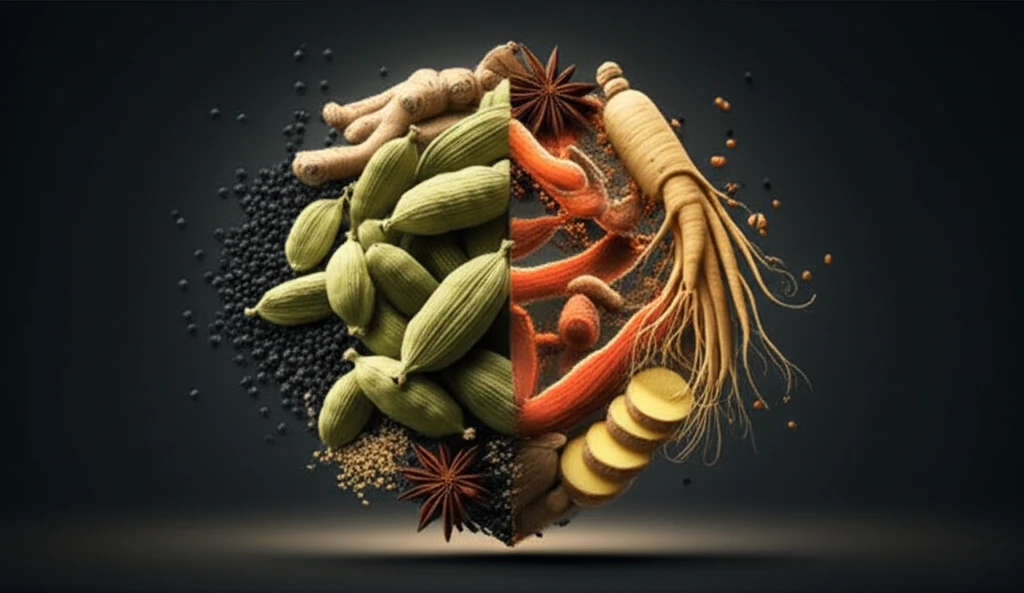
Herbal Shield: Natural Antibiotics Protecting Against Bacteria

Spice Up Your Health: Exploring Asia's Best Natural Antibiotics

"Discover the powerful antibacterial properties of plant extracts from across Asia, offering natural alternatives to combat resistant bacteria and boost your well-being."


For centuries, traditional medicine across Asia has utilized the power of plants to treat various ailments. With increasing concerns about antibiotic resistance, scientists are looking back to nature for potential solutions. Recent research highlights the remarkable antibacterial properties found in several Asian plant extracts, offering a promising avenue for combating even the most resistant bacteria.

A study published in the American Journal of Pharmacology and Toxicology investigated the antibacterial activity of several plant extracts, evaluating their effectiveness against Methicillin-Resistant Staphylococcus Aureus (MRSA) and other strains of S. aureus. The plants tested included Phoenix dactylifera (date palm), Nigella sativa (black cumin), Elettaria cardamomum (cardamom), Tinospora crispa (Akar patawali), and Panax ginseng (ginseng), each known for its unique medicinal properties.

This exploration delves into the findings of this study, focusing on how these natural extracts could serve as alternatives to traditional antibiotics. It examines the specific plant extracts that demonstrated significant antibacterial activity, how they work, and their potential implications for future treatments.

The Power Players: Key Plant Extracts and Their Antibacterial Action

Herbal Shield: Natural Antibiotics Protecting Against Bacteria

The research pinpointed several plant extracts that exhibited significant antibacterial activity against MRSA and S. aureus. Here’s a closer look at these natural powerhouses:

  • Nigella sativa (Black Cumin): This well-known spice not only adds flavor to dishes but also packs a punch against bacteria. The study found that black cumin extracts produced maximum inhibition activities against the MRSA strain ATCC 33591.
  • Elettaria cardamomum (Cardamom): Commonly used in both sweet and savory dishes, cardamom also offers impressive antibacterial benefits, mirroring the effects of black cumin against MRSA.
  • Panax ginseng (Ginseng): Celebrated for its energy-boosting and immune-modulating properties, ginseng also demonstrated significant inhibition activities against MRSA.
  • Tinospora crispa (Akar Patawali): While the other extracts primarily targeted MRSA strain ATCC 33591, Tinospora crispa showed the greatest activity against the S. aureus strain ATCC 25923.

Interestingly, the study noted that Phoenix dactylifera (date palm) extract showed no effect on the tested bacteria. This highlights the variability in antibacterial properties even among plants with known medicinal uses.

Looking Ahead: The Potential of Plant-Based Antibiotics

As antibiotic resistance continues to pose a global health threat, the exploration of natural alternatives becomes increasingly vital. The study's findings support the potential of Nigella sativa, Elettaria cardamomum, Panax ginseng, and Tinospora crispa as sources of antibacterial compounds. While further research is needed to fully understand their mechanisms of action and ensure their safety and efficacy, these plant extracts offer a promising avenue for developing new treatments against resistant bacteria.

It's important to note that this study focused on extracts prepared with methanol and ethanol. The effectiveness of these plants may vary depending on the extraction method and the specific compounds present. Nevertheless, the results underscore the importance of traditional medicine and the potential for discovering new antibacterial agents from natural sources.

The study also assessed the toxicity of Tinospora crispa extract, finding it to be low based on the LD50 value in rats. This is an encouraging sign, suggesting that this particular plant extract may be safe for therapeutic use. As research progresses, these natural antibiotics could play a crucial role in combating bacterial infections and promoting overall health.

About this Article -

This article was crafted using a human-AI hybrid and collaborative approach. AI assisted our team with initial drafting, research insights, identifying key questions, and image generation. Our human editors guided topic selection, defined the angle, structured the content, ensured factual accuracy and relevance, refined the tone, and conducted thorough editing to deliver helpful, high-quality information.See our About page for more information.

This article is based on research published under:

DOI-LINK: 10.3844/ajptsp.2014.139.147, Alternate LINK

Title: Comparative Study Of Antibacterial Activity Of Plant Ex-Tracts From Several Regions Of Asia

Subject: Pharmacology (medical)

Journal: American Journal of Pharmacology and Toxicology

Publisher: Science Publications

Authors: Awatif Al-Judaibi, Ashwag Al-Zahrani, Khadijah A. Altammar, Salmah Binti Ismail, Nadia T. Darweesh

Published: 2014-02-01

Everything You Need To Know

1

Which Asian plant extracts have shown promise as natural antibiotics?

Several plant extracts, including Nigella sativa (black cumin), Elettaria cardamomum (cardamom), Panax ginseng (ginseng), and Tinospora crispa (Akar Patawali), have demonstrated significant antibacterial activity. These extracts are being explored as potential alternatives to traditional antibiotics due to increasing concerns about antibiotic resistance. Phoenix dactylifera (date palm) was also tested, but it did not show any effect on the tested bacteria.

2

Which specific strains of bacteria are affected by black cumin, cardamom, ginseng and Akar Patawali?

Nigella sativa (black cumin) and Elettaria cardamomum (cardamom) have shown similar effects against the MRSA strain ATCC 33591, demonstrating maximum inhibition activities. Panax ginseng (ginseng) also demonstrated significant inhibition activities against MRSA. Tinospora crispa (Akar Patawali) showed the greatest activity against the S. aureus strain ATCC 25923.

3

What was the main focus of the study in the American Journal of Pharmacology and Toxicology?

The study published in the American Journal of Pharmacology and Toxicology focused on the antibacterial activity of several plant extracts against Methicillin-Resistant Staphylococcus Aureus (MRSA) and other strains of S. aureus. It evaluated the effectiveness of Phoenix dactylifera (date palm), Nigella sativa (black cumin), Elettaria cardamomum (cardamom), Tinospora crispa (Akar patawali), and Panax ginseng (ginseng). The aim was to find natural alternatives to combat resistant bacteria.

4

What are the potential implications of using Nigella sativa, Elettaria cardamomum, Panax ginseng, and Tinospora crispa as antibiotics?

These plant extracts, such as Nigella sativa, Elettaria cardamomum, Panax ginseng, and Tinospora crispa, could offer new treatments for resistant bacterial infections. Their potential lies in providing compounds that bacteria may not have developed resistance to, unlike many traditional antibiotics. Further research is needed to fully understand their mechanisms of action, ensure safety, and optimize their efficacy.

5

Why is it important to explore plant-based antibiotics like those mentioned, and what further research is needed?

Antibiotic resistance is a growing global health threat, making the exploration of natural alternatives like plant-based antibiotics increasingly important. Plant extracts like Nigella sativa, Elettaria cardamomum, Panax ginseng, and Tinospora crispa represent a promising avenue for developing new treatments. While these extracts show potential, further research is crucial to understand their mechanisms, ensure safety, and determine optimal usage. This is because some extracts might be more effective against specific strains of bacteria, as seen with Tinospora crispa's activity against S. aureus strain ATCC 25923.

Newsletter Subscribe

Subscribe to get the latest articles and insights directly in your inbox.