
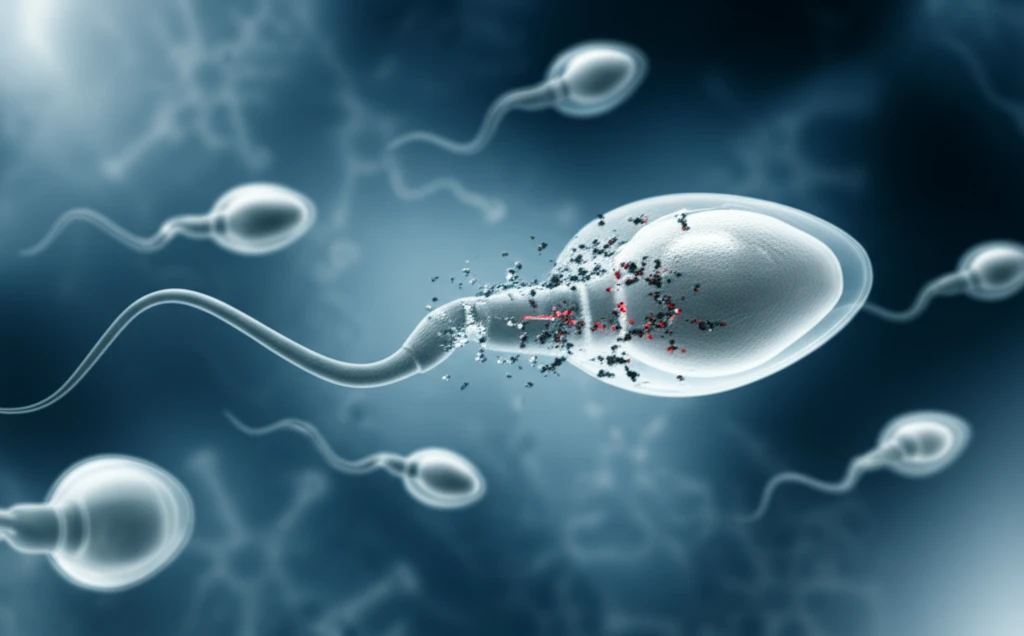
Sperm DNA Fragmentation: Decoding the Risks and Boosting Your Fertility

"Understanding the factors that affect sperm health and what you can do to improve your chances of conception."
For couples trying to conceive, the journey can sometimes feel like navigating a maze. While much of the focus often centers on the female partner, male fertility plays an equally critical role. One key aspect of male fertility is the health of the sperm's DNA. Sperm DNA fragmentation (SDF) refers to the damage or breaks in the genetic material within the sperm cell. High levels of SDF can significantly affect a couple's ability to conceive and lead to pregnancy complications. This article aims to demystify SDF, explore its causes, and provide practical advice for those looking to optimize their chances of starting a family.
Sperm DNA fragmentation is a condition where the genetic material within the sperm is damaged. This damage can affect the sperm's ability to fertilize an egg, as well as impact the health of the resulting embryo. Several factors contribute to SDF, including age, lifestyle choices, and certain medical conditions. Recognizing these risk factors is the first step towards taking control of your reproductive health. This article will discuss the factors associated with sperm DNA fragmentation and steps you can take to improve your sperm health.
The information in this article is derived from the research paper "Risk factors associated with sperm DNA fragmentation" by Ashok Agarwal, et al. This paper provides an in-depth look at the various factors that can impact sperm health. The goal is to translate complex scientific findings into understandable, actionable advice. This will help you make informed decisions about your reproductive health.
Unveiling the Risk Factors: What Affects Sperm DNA Fragmentation?
Several factors can increase the risk of SDF. These include age, lifestyle choices, and specific medical conditions. Understanding these factors is crucial for assessing and managing male fertility. Let's take a closer look at some of the most significant risk factors associated with sperm DNA fragmentation.
- Age: SDF tends to increase with age, particularly after 40.
- Lifestyle: Poor diet, smoking, and excessive alcohol consumption can increase SDF.
- Medical Conditions: Varicocele, infections, and certain medications can also contribute to SDF.
- Obesity: Higher body mass index (BMI) is associated with increased SDF.
Taking Action: Steps to Improve Sperm Health and Fertility
Addressing SDF involves identifying and managing the underlying risk factors. This may include lifestyle changes such as quitting smoking, moderating alcohol consumption, and adopting a healthy diet rich in antioxidants. Medical treatments, such as varicocele repair, may be beneficial in some cases. Sperm selection techniques can also be used to choose sperm with the lowest levels of DNA fragmentation for assisted reproduction. Consulting with a fertility specialist is crucial for personalized advice and treatment plans. By understanding the risk factors and taking proactive steps, you can improve your sperm health and increase your chances of achieving a successful pregnancy. Remember, every journey to parenthood is unique, and seeking professional guidance is key to navigating the path ahead.