
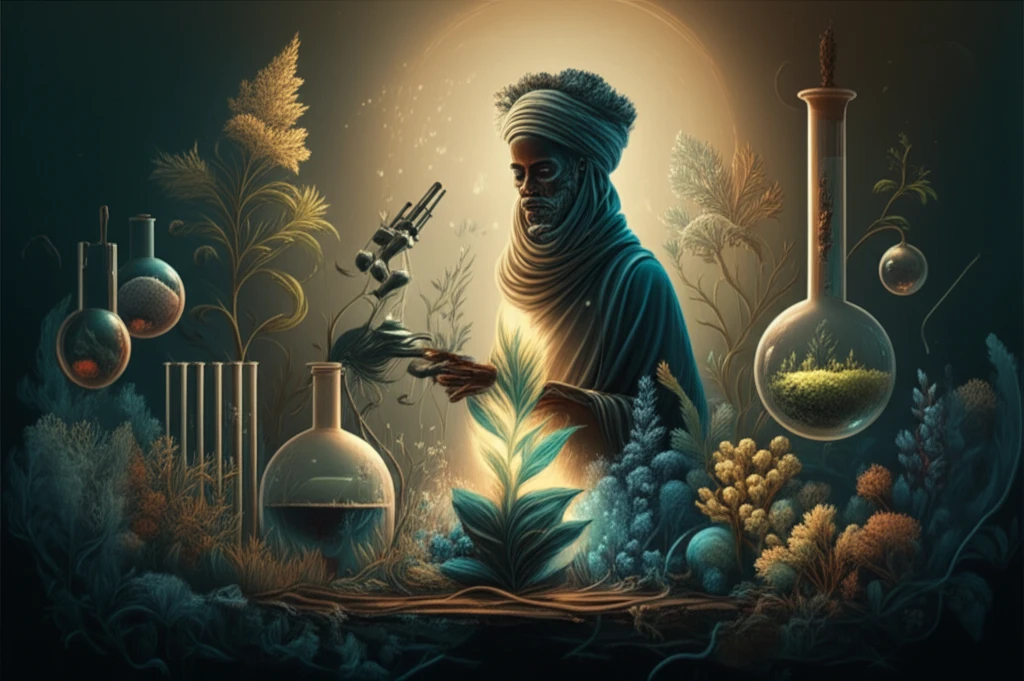
Surreal illustration of Somali medicinal plants intertwined with scientific equipment, symbolizing the blend of traditional knowledge and modern science.

Somali Secrets: Unlocking Ancient Herbal Remedies for Modern Wellness

"Dive into the ethnobotanical study revealing how Somali agro-pastoralists use medicinal plants to combat ailments, offering a treasure trove of natural solutions."


For centuries, traditional medicine has been a cornerstone of healthcare, with communities worldwide relying on the natural world to combat disease. Ethiopia, rich in both cultural heritage and biodiversity, exemplifies this tradition. Approximately 80% of Ethiopians depend on traditional medicine, a testament to its accessibility, affordability, and perceived efficacy against various ailments.

While modern medicine has advanced significantly, the importance of documenting and preserving traditional knowledge cannot be overstated. These practices, passed down through generations, hold valuable insights into the medicinal properties of plants and their uses. Unfortunately, factors like deforestation, environmental degradation, and the allure of 'modernization' threaten this rich heritage.

A recent ethnobotanical study focuses on the Somali people residing in the Jeldesa Cluster, Dire Dawa Administration, Eastern Ethiopia. This research aims to preserve indigenous knowledge about medicinal plants and identify those under threat. By understanding how these communities utilize local flora, we can unlock new pathways for natural healthcare and conservation efforts.

Unveiling the Herbal Arsenal: Key Medicinal Plants and Their Uses

Surreal illustration of Somali medicinal plants intertwined with scientific equipment, symbolizing the blend of traditional knowledge and modern science.

The study meticulously documented 52 medicinal plant species, distributed across 43 genera and 30 families, used by the Somali agro-pastoralists to manage 48 human ailments. The Fabaceae family stood out with the highest number of species (13.5%), followed by Lamiaceae (7.7%). These plants aren't just statistics; they represent a living pharmacy passed down through generations.

These plants are utilized in diverse ways, mainly sourced from the wild (79%). Shrubs (44%) and herbs (37%) dominate the growth habits. Leaves are the most frequently used part (34%), followed closely by roots (33%). This preference for leaves is ecologically sound, minimizing harm to the plants.

  • Preparation Methods: Crushing (31%) is the most common method, followed by pounding (18%), concoction (12%), and squeezing (10%).
  • Administration Routes: Oral consumption (57.7%) is the primary route, followed by dermal application (27.1%).
  • Key Ailments: The study highlighted the use of specific plants for conditions like kidney problems, constipation, and snake poison, with high fidelity levels, indicating strong community preference.
Informant Consensus Factor (ICF) values revealed that swollen body parts (boils), wound healing, and poisonous animal bites had the highest agreement among traditional healers, showcasing the consistency and reliability of this knowledge. Deforestation and human encroachment are the most serious threats, endangering these vital medicinal resources.

Preserving the Past, Securing the Future: Conservation and Modern Applications

The study underscores the urgent need to protect this invaluable ethnobotanical knowledge. Deforestation and human encroachment are rapidly eroding the availability of these medicinal plants. Conservation efforts, including cultivation in home gardens, are essential to ensure the long-term survival of these species and the traditional practices associated with them.

Furthermore, the high fidelity levels of certain plants for specific ailments highlight their potential for pharmacological investigation. Modern science can validate the efficacy of these traditional remedies, leading to the development of new and accessible treatments.

By bridging the gap between traditional wisdom and modern science, we can unlock the full potential of these medicinal plants, benefiting both the communities who have long relied on them and the wider world seeking natural and sustainable healthcare solutions. Further phytochemical and biological activity studies are recommended for preferred medicinal plant species for drug development.

About this Article -

This article was crafted using a human-AI hybrid and collaborative approach. AI assisted our team with initial drafting, research insights, identifying key questions, and image generation. Our human editors guided topic selection, defined the angle, structured the content, ensured factual accuracy and relevance, refined the tone, and conducted thorough editing to deliver helpful, high-quality information.See our About page for more information.

This article is based on research published under:

DOI-LINK: 10.5897/jmpr2016.6292, Alternate LINK

Title: Ethnobotanical Study Of Medicinal Plants Used By Agro Pastoralist Somali People For The Management Of Human Ailments In Jeldesa Cluster, Dire Dawa Administration, Eastern Ethiopia

Subject: Complementary and alternative medicine

Journal: Journal of Medicinal Plants Research

Publisher: Academic Journals

Authors: Ayalew Shimels, Kebede Atinafu, Mesfin Akalu, Mulualem Getachew

Published: 2017-03-03

Everything You Need To Know

1

What types of plants are used for medicine and what conditions do they treat?

The research meticulously documented 52 medicinal plant species across 43 genera and 30 families, utilized by Somali agro-pastoralists for managing 48 human ailments. Predominantly, these plants are sourced from the wild, with shrubs and herbs being the primary growth forms. The Fabaceae family has the highest representation among the plants, with the leaves and roots being the most frequently used parts. This utilization often involves methods like crushing, pounding, or creating concoctions, primarily administered orally or dermally. The plants are useful for kidney problems, constipation, and snake poison.

2

What does Informant Consensus Factor (ICF) tell us about traditional healing knowledge?

Informant Consensus Factor, or ICF, revealed that ailments like swollen body parts (boils), wound healing, and poisonous animal bites had the highest agreement among traditional healers. This high ICF signifies the consistency and reliability of the traditional knowledge surrounding the treatment of these conditions using medicinal plants known to Somali agro-pastoralists.

3

Why is it important to preserve ethnobotanical knowledge?

The preservation of ethnobotanical knowledge is crucial because it represents centuries of accumulated wisdom regarding medicinal plants and their applications, offering potential for modern healthcare. Additionally, these practices are threatened by deforestation, environmental degradation, and modernization, making their documentation and conservation imperative for future generations. Further research could explore the pharmacological properties of these plants, potentially leading to the development of new drugs and treatments.

4

What are the biggest dangers to medicinal plants?

Deforestation and human encroachment are the most significant threats to the availability of medicinal plants used by the Somali agro-pastoralists. These activities destroy the natural habitats where these plants grow, reducing their populations and potentially leading to their extinction. This loss of biodiversity not only affects the availability of traditional medicines but also disrupts the ecological balance of the region.

5

What steps can be taken to protect medicinal plants and the traditions that go with them?

Conservation efforts, such as cultivating medicinal plants in home gardens, are essential for ensuring the long-term survival of these plant species and the associated traditional practices. By growing these plants in controlled environments, communities can reduce their reliance on wild harvesting, mitigating the impact of deforestation and habitat loss. These efforts also empower communities to maintain their cultural heritage and traditional knowledge.

Newsletter Subscribe

Subscribe to get the latest articles and insights directly in your inbox.