
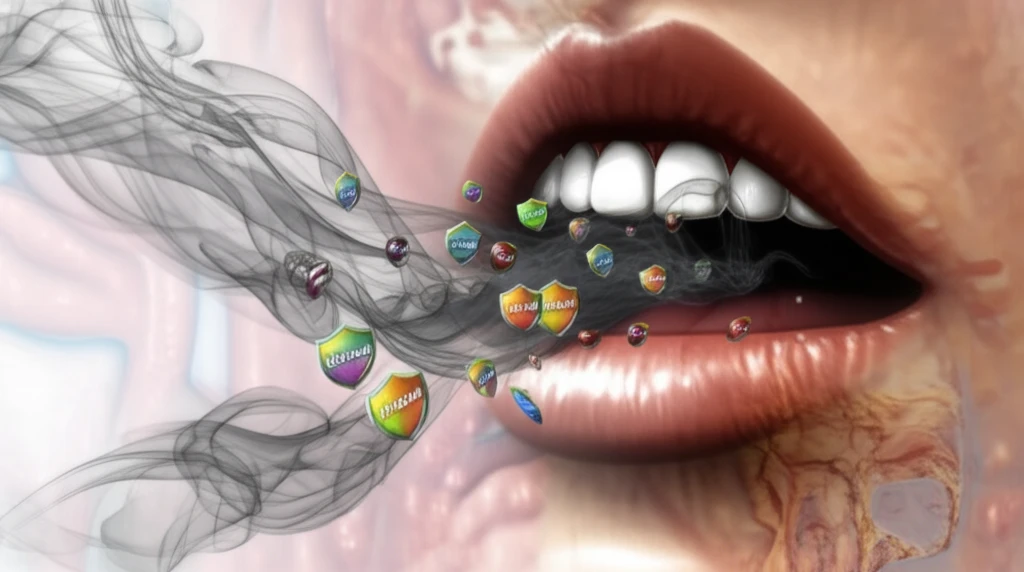
Smokeless Tobacco: Unpacking the Hidden Dangers to Your Oral Health

"Nicotine and cotinine's surprising role in smokeless tobacco's impact on oral health."
Smokeless tobacco, often marketed as a safer alternative to cigarettes, is far from harmless. This form of tobacco, which includes products like chewing tobacco, snuff, and gutkha, is used by millions worldwide. Unlike cigarettes, smokeless tobacco isn't burned; instead, it's placed in the mouth, typically between the cheek and gum, allowing nicotine to be absorbed directly into the bloodstream.
Despite the absence of smoke, smokeless tobacco carries a significant risk to oral health. The chemicals in these products can cause a range of issues, from gum disease and tooth decay to more severe conditions like oral cancer. Understanding these risks is crucial for making informed decisions about tobacco use and protecting your long-term well-being.
Recent research has shed light on the specific ways smokeless tobacco affects the mouth. Studies have focused on the roles of nicotine and cotinine, two key components of tobacco, in creating oxidative stress and reducing antioxidant levels in saliva. This article unpacks these findings, offering a clear and accessible explanation of the dangers lurking within smokeless tobacco products.
Nicotine and Cotinine: How They Harm Your Saliva
Nicotine, the addictive substance in tobacco, and cotinine, a byproduct of nicotine metabolism, are central to the health risks associated with smokeless tobacco. When smokeless tobacco is used, nicotine is absorbed into the saliva, where it begins to exert its effects. As the body processes nicotine, it produces cotinine, which lingers in the system longer and also contributes to health problems.
- Increased Oxidative Stress: Nicotine and cotinine promote the creation of free radicals in the saliva, which can damage cells and tissues in the mouth.
- Reduced Antioxidant Levels: These chemicals can also deplete the saliva's natural antioxidants, weakening the mouth's defense against damage.
- Inflammation: Oxidative stress triggers inflammation in the gums and oral tissues, contributing to gum disease and other problems.
- Cell Damage: Over time, the combination of oxidative stress and reduced antioxidant protection can lead to significant cell damage, increasing the risk of oral cancer.
Protecting Your Oral Health
The evidence is clear: smokeless tobacco poses significant risks to oral health. By understanding how nicotine and cotinine disrupt the natural balance in saliva, we can better appreciate the dangers of these products. If you're a smokeless tobacco user, quitting is the best way to protect your mouth and overall health. Talk to your healthcare provider about strategies and resources to help you quit. For those who don't use smokeless tobacco, staying informed and avoiding these products is key to maintaining a healthy mouth and a healthy life.