
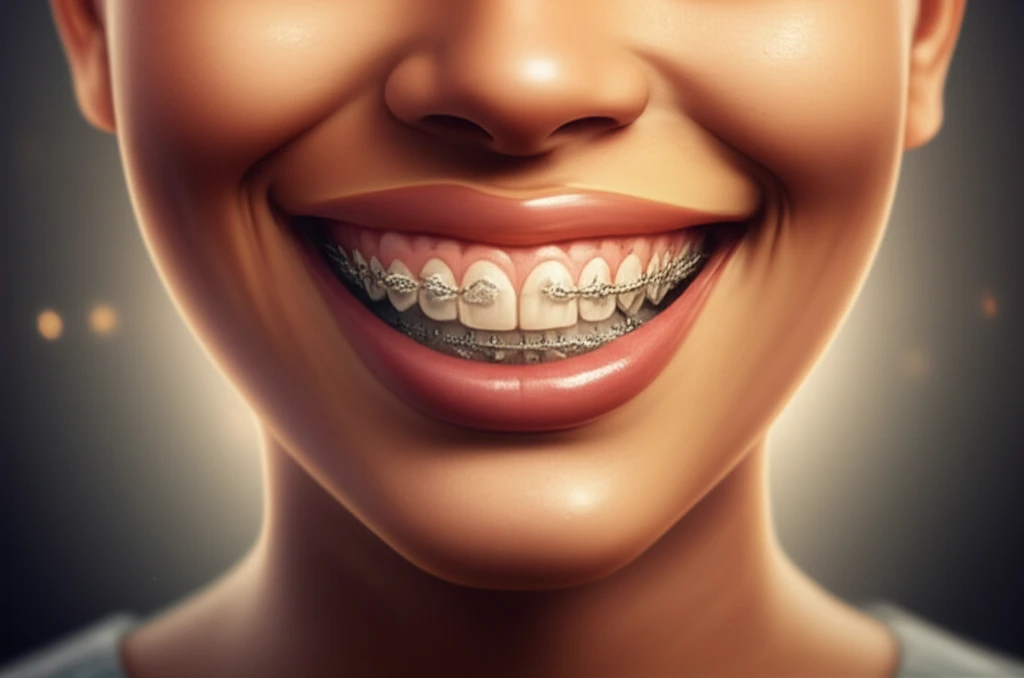
Smile Transformation: What Happens When Orthodontics Retracts Your Front Teeth?

"Exploring the impact of maxillary incisor retraction on tooth length and alveolar bone thickness and what it means for your smile."
Orthodontic treatments are more than just straightening teeth; they are about crafting a beautiful, healthy smile. For those with protruding front teeth, retraction—the process of pulling these teeth back—is a common step. But what exactly happens during this process? Does it affect the length of your teeth or the bone that supports them? Let’s explore the science behind retraction, the changes it brings, and what you can expect.
The goal of incisor retraction is to improve both the function and aesthetics of your smile. Moving these teeth requires a delicate balance, and understanding the impact of such movements is essential. Recent studies have explored how retraction affects not only tooth position but also the surrounding bone structure. This knowledge helps orthodontists provide the best, most informed care, ensuring successful outcomes and patient satisfaction.
This article examines the impact of retracting maxillary incisors (the front teeth in your upper jaw) on both tooth length and the thickness of the alveolar bone (the bone that supports your teeth). We'll look at how this process works, what the research says, and what it means for your journey to a perfect smile.
The Science of Incisor Retraction: How It Works
Incisor retraction involves carefully controlled movements using various orthodontic tools like brackets, wires, and sometimes, temporary anchorage devices (TADs). The goal is to gradually pull the front teeth back into a more aligned position within the dental arch. This process is meticulously planned, considering each patient's unique needs and the overall treatment objectives.
- Brackets and Wires: These are the foundation of many retraction systems, providing the means to apply gentle, continuous force.
- Elastics and Springs: Often used to aid the retraction process, these tools provide additional forces to move the teeth.
- Anchorage: Critical to ensure the retraction is effective, preventing unwanted movement of other teeth. This could involve TADs or other methods.
- Regular Adjustments: Throughout the treatment, orthodontists make adjustments to the appliances to maintain the correct forces and monitor the progress.
The Future of Orthodontics and Your Smile
In conclusion, the process of retracting maxillary incisors is a refined art and science, designed to enhance both the function and aesthetics of your smile. While research continues to deepen our understanding, it is clear that careful planning and execution are vital. If you're considering orthodontic treatment, be sure to consult with a qualified orthodontist who can assess your specific needs and provide a treatment plan that helps you achieve the smile you’ve always wanted.