
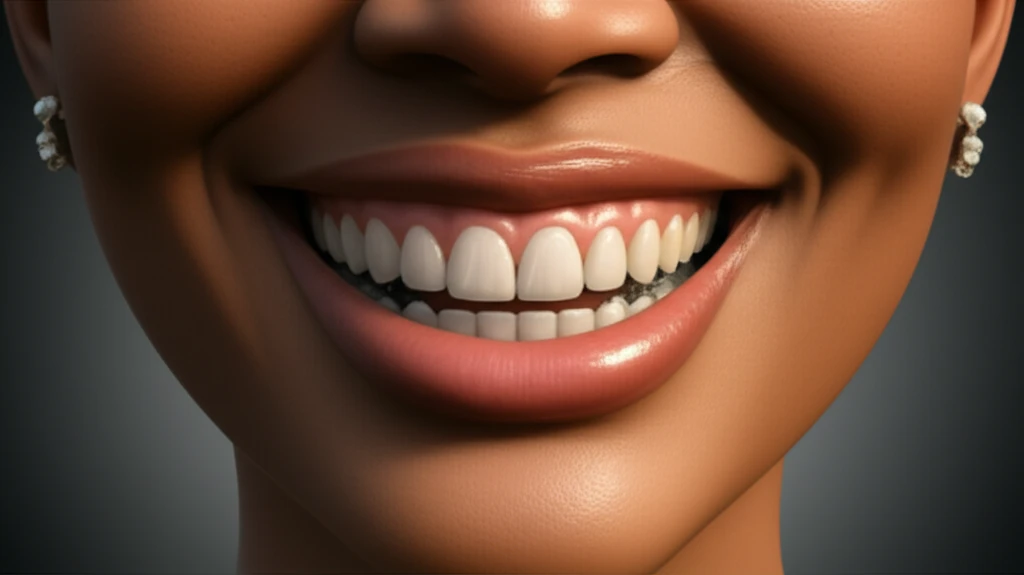
Confident smile with natural-looking partial dentures and invisible attachments

Smile Makeover: How Attachments Can Perfect Your Partial Dentures

"Discover how fixed and removable partial dentures, utilizing advanced attachment technology, offer an esthetic and functional solution for a confident smile."


Losing teeth can impact more than just your smile; it affects your confidence and ability to enjoy life. Partial dentures offer a solution, but traditional methods can sometimes feel unstable or look unnatural. Fortunately, modern dentistry has evolved, offering more secure and esthetic options.

One such advancement is the use of attachments with partial dentures. These attachments, which come in fixed and removable designs, provide a robust and esthetically pleasing alternative to conventional dentures. This approach focuses on preserving your existing teeth while restoring your smile's function and appearance.

This article explores how precision attachments work in both fixed and removable partial dentures. We will also cover how this innovative approach can improve retention, stability, and overall satisfaction, helping you regain a confident and natural-looking smile.

What are Precision Attachments and How Do They Work?

Confident smile with natural-looking partial dentures and invisible attachments

Precision attachments are like tiny, high-tech connectors that link your partial denture to your natural teeth or dental implants. They replace the traditional metal clasps that can be visible and sometimes uncomfortable. These attachments consist of two main parts: a 'matrix' (female component) and a 'patrix' (male component).

The matrix is usually integrated into a crown or fixed bridge attached to a natural tooth or implant. The patrix is incorporated into the removable partial denture. When the denture is placed, these components connect, creating a secure and stable fit.

  • Improved Esthetics: Attachments are hidden, providing a more natural look.
  • Enhanced Stability: They offer superior retention compared to traditional clasps, minimizing movement and discomfort.
  • Better Function: A secure fit improves chewing efficiency and speech clarity.
  • Preservation of Natural Teeth: By distributing forces evenly, attachments help protect the remaining teeth from excessive stress.
There are various types of precision attachments, each designed for specific situations. Some allow for slight movement, which can be beneficial for stress distribution, while others provide a rigid connection for maximum stability. Your dentist will determine the most suitable type based on your individual needs and oral condition.

Are Attachment-Retained Dentures Right for You?

Attachment-retained partial dentures offer a significant advancement in restorative dentistry, providing a blend of esthetics, function, and long-term oral health benefits. If you're considering partial dentures, discussing precision attachments with your dentist is a worthwhile step.

These attachments provide many benefits, including improved esthetics and stability. They also help preserve remaining teeth. However, they may require more precise dental work and can sometimes be more expensive than traditional clasp dentures.

Ultimately, the best way to determine if attachment-retained dentures are right for you is to consult with your dentist. They can assess your oral health, discuss your needs and expectations, and recommend the most suitable treatment plan to help you achieve a confident and healthy smile.

About this Article -

This article was crafted using a human-AI hybrid and collaborative approach. AI assisted our team with initial drafting, research insights, identifying key questions, and image generation. Our human editors guided topic selection, defined the angle, structured the content, ensured factual accuracy and relevance, refined the tone, and conducted thorough editing to deliver helpful, high-quality information.See our About page for more information.

This article is based on research published under:

DOI-LINK: 10.4103/0972-4052.155048, Alternate LINK

Title: Achieving An Esthetic Smile With Fixed And Removal Prosthesis Using Extracoronal Castable Precision Attachments

Subject: General Dentistry

Journal: The Journal of Indian Prosthodontic Society

Publisher: Medknow

Authors: Sharad Vaidya, Charu Kapoor, Yujika Bakshi, Sonam Bhalla

Published: 2015-01-01

Everything You Need To Know

1

What exactly are precision attachments in partial dentures, and how do they work to secure the denture?

Precision attachments are essentially tiny, advanced connectors that link a partial denture to existing natural teeth or dental implants, replacing traditional metal clasps. These attachments consist of two parts: the 'matrix' (female component) typically integrated into a crown or fixed bridge, and the 'patrix' (male component) incorporated into the removable partial denture. When the denture is placed, the matrix and patrix connect, creating a secure and stable fit. This results in improved esthetics and enhanced stability compared to clasps.

2

What are the primary benefits of choosing attachment-retained partial dentures over traditional clasp dentures?

Attachment-retained partial dentures provide a blend of esthetics, improved function, and potential long-term oral health advantages. The use of precision attachments, like the 'matrix' and 'patrix' components, help distribute forces evenly, which can protect the remaining natural teeth. While attachment-retained dentures offer significant improvements, factors such as cost, maintenance, and the need for sufficient supporting teeth or implants must be considered. For instance, the long-term health of the supporting teeth is important.

3

What are the pros of using partial dentures with precision attachments ('matrix' and 'patrix')?

The use of precision attachments in partial dentures offers several key advantages. Firstly, they provide improved esthetics because the attachments are hidden, giving a more natural look, unlike visible metal clasps. Secondly, they enhance stability, offering superior retention that minimizes movement and discomfort. Thirdly, they improve function, leading to better chewing efficiency and speech clarity. Lastly, they aid in the preservation of natural teeth by distributing forces evenly, which helps to protect them from excessive stress. However, the success depends on the type of attachment ('matrix' and 'patrix') and correct use.

4

What are the limitations of partial dentures with precision attachments? What can't they do?

While fixed and removable partial dentures with precision attachments offer numerous benefits, it's important to acknowledge what they cannot achieve. For example, they cannot halt the progression of gum disease or eliminate the need for diligent oral hygiene. Attachment-retained dentures, utilizing 'matrix' and 'patrix' components, also require regular check-ups and maintenance to ensure the continued health of both the denture and the supporting teeth or implants. The long-term success of these dentures depends on a combination of factors, including proper design, patient compliance, and professional care. In the absense of above conditions, the dentures will not properly help.

5

Are there different types of precision attachments, and how does a dentist decide which one is best for a patient?

There are various types of precision attachments available, each designed for specific situations and needs. Some attachments allow for a slight movement, which can be beneficial for stress distribution, while others provide a rigid connection for maximum stability. The dentist assesses individual oral conditions to determine the most suitable type of attachment, considering factors such as the location of the missing teeth, the health of the remaining teeth, and the patient's bite. Understanding the differences between 'matrix' and 'patrix' is key to their success.

Newsletter Subscribe

Subscribe to get the latest articles and insights directly in your inbox.