
Smile Brighter: How New Dental Tech and Partnerships Are Revolutionizing Oral Health

"Discover the latest innovations in dental care, from advanced electric toothbrushes to cutting-edge milling machines, and how they're making a difference in your smile."
The world of dental health is undergoing a significant transformation, driven by innovative technologies and strategic partnerships. These advancements promise not only to improve the effectiveness of oral care but also to make it more accessible to a broader range of people. From the latest electric toothbrushes to sophisticated milling machines, the future of dentistry is looking brighter than ever.
One of the most exciting developments is the collaboration between Philips, a leader in oral healthcare technology, and {my}dentist, one of Europe's largest dental care providers. This partnership aims to bring a suite of entry-level electric toothbrushes and interdental flossing devices to over eight million dental patients across the UK and Ireland. The goal? To empower individuals to take control of their oral health with cutting-edge tools at an affordable price.
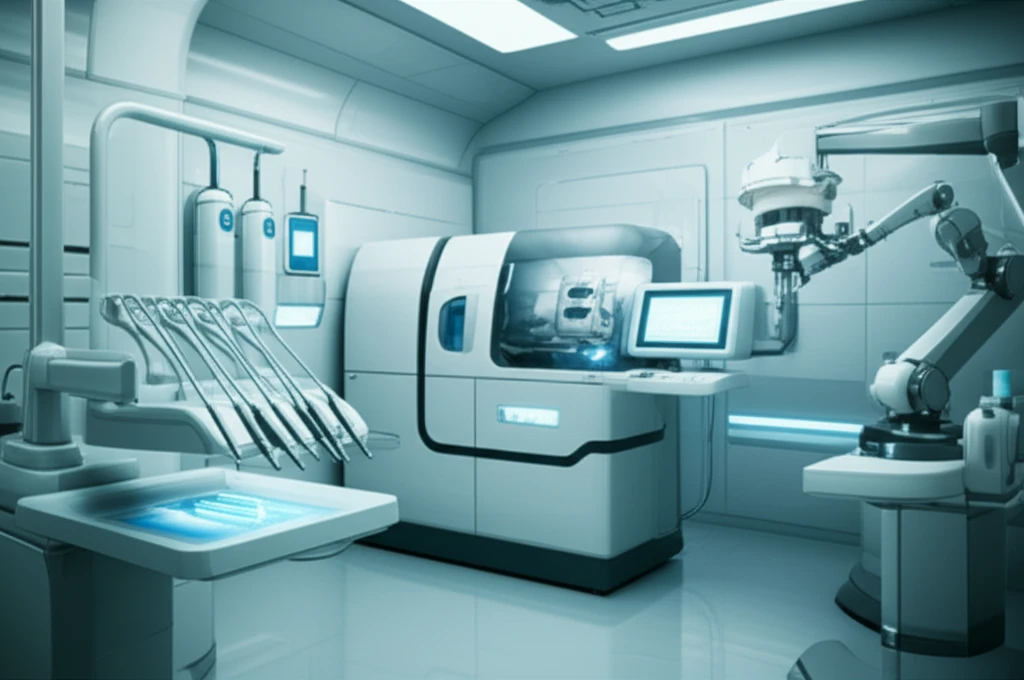
But the innovation doesn't stop there. Advancements in dental technology are also revolutionizing how restorative work is done. Next-generation wet milling machines, like the DWX-42W from DGSHAPE Corporation, are enabling dentists to create highly aesthetic restorations with greater speed and precision. These machines are transforming dental practices, making treatments more efficient and accessible for patients.
Mapping Oral Health Burden
The World Health Organization's Oral Health Data Portal provides country oral health profiles based on the latest available data from the Global Burden of Disease project, the International Agency for Research on Cancer, and global WHO surveys. The CDC's Oral Health Data Systems allow users to explore the burden of oral diseases, factors influencing oral health, and the availability and utilization of preventive interventions. The National Oral Health Data Portal consolidates important oral health data sources in one place for people with different levels of oral health and data literacy. Together, these portals make oral health information more accessible while supporting analysis of disease burden and prevention.
Why Standards Matter
Normative approaches are designed to provide high-quality methods and strict criteria that, when correctly applied, can produce reliable results. Standards, specifications, and guidelines also facilitate the exchange of goods or information and help secure comparability between data from different laboratories and sources. The related literature emphasizes that oral health discovery, development, and dissemination should rely on stringent methodologies and rigorous criteria. These approaches improve consistency, but the research material also describes them as an attempt to meet methodological requirements rather than a guarantee that every result is free of limitations.
Electric Toothbrushes and Interdental Devices: A New Era of Home Oral Care
The collaboration between Philips and {my}dentist is set to redefine the landscape of home oral care. By combining Philips' technological expertise with {my}dentist's extensive network of clinics, this partnership aims to equip millions with the tools they need to maintain healthy teeth and gums.
- Sonicare CleanCare Plus: An excellent entry-level toothbrush for those transitioning from manual brushing, removing up to three times more plaque.
- Sonicare EasyClean: Featuring a unique dynamic cleaning action, this toothbrush gently and effectively cleans deep between teeth and along the gumline.
- Sonicare ProtectiveClean 4300: Designed with built-in pressure sensors, this toothbrush helps users avoid brushing too hard, promoting healthier gums.
- AirFloss 1.5: This interdental device helps inconsistent flossers maintain a daily cleaning routine, gently removing plaque and preventing cavities in hard-to-reach areas.
Research Across the Dental Technology Landscape
Recent reviews examine dental technology across professional practice and settings beyond the dental clinic. One review asks about the extent and maturity of digital oral health technologies used outside professional care for primary and secondary prevention. A systematic review of newer technological advances considers applications of advanced technology in dental practice and notes that reviews can provide a broader view than a single study. A partnership announced between two large dental firms stated that innovative technologies would become available in all mydentist clinics from November 2018.
Evidence Behind Dental Claims
A National Advertising Division review found that Philips should discontinue certain Sonicare advertising claims after comparing product-testing methods and research studies. Reporting on the dispute said that, for many challenged claims, Philips had tested products head-to-head but had not used Procter & Gamble products according to the manufacturer's instructions or in the way consumers would use them. Separately, research on artificial intelligence in oral health identifies challenges and limitations alongside applications in education, monitoring, screening, diagnosis, treatment, follow-up care, and data management. These examples show why dental technology claims require attention to testing conditions, evidence quality, and practical use.
Digital Care in Context
A Frontiers editorial argues that digital technologies can support community health-worker training, remote consultations, and data-driven policymaking. It also argues that integrating digital innovations into oral healthcare systems is essential for equitable and efficient care. A 2022 perspective review proposes comparative effectiveness analysis of the benefits and harms of alternative technologies used in oral healthcare. A separate narrative review describes dentistry's digitalization while addressing limitations, challenges, quality, efficiency, and strategic care.
The Future of Dental Technology
The advancements in dental technology and the strategic partnerships being formed are signaling a new era of accessible and effective oral care. As technology continues to evolve, we can expect even more innovative solutions that empower individuals to take control of their dental health and achieve brighter, healthier smiles.
Evidence Before Adoption
Health technology assessment can provide decision makers with functional, appropriate, and evidence-based information about oral health technologies on a regular basis. The cited review says this information can support decisions about future technology use, policy modification, translation into practice, and the provision of robust dental healthcare. A 2026 article warns that oral health professionals face pressure to adopt unproven technologies without adequate safety and efficacy data. Its authors say this pressure threatens evidence-based dentistry and patient protection.
A More Connected Dental Future
A 2026 trends overview highlights preventive care, virtual dentistry, artificial intelligence, saliva testing, and connected dental ecosystems. Another dental-industry overview identifies smart toothbrushes and 3D printing as important technology areas, describing smart toothbrushes as rechargeable electric toothbrushes that support care for the teeth, gums, and tongue. A separate 2026 industry perspective describes dentistry as moving from a treatment-based profession toward a predictive, preventive, and personalized healthcare model. These sources present connectivity, prevention, and personalization as central themes in dentistry's anticipated development.
Technology That Supports Patients
A comprehensive review reports that smart toothbrushes, sensors, and oral health trackers can provide real-time data to support personalized patient care. It says integration with mobile health apps and other digital platforms is driving a more proactive approach to oral health management. Dentalcare's case studies are presented as resources for understanding complex issues involved in patient care and for classroom use. A 2025 collection of dental software case studies reports examples in which digital software improved efficiency, reduced costs, and increased patient satisfaction.