
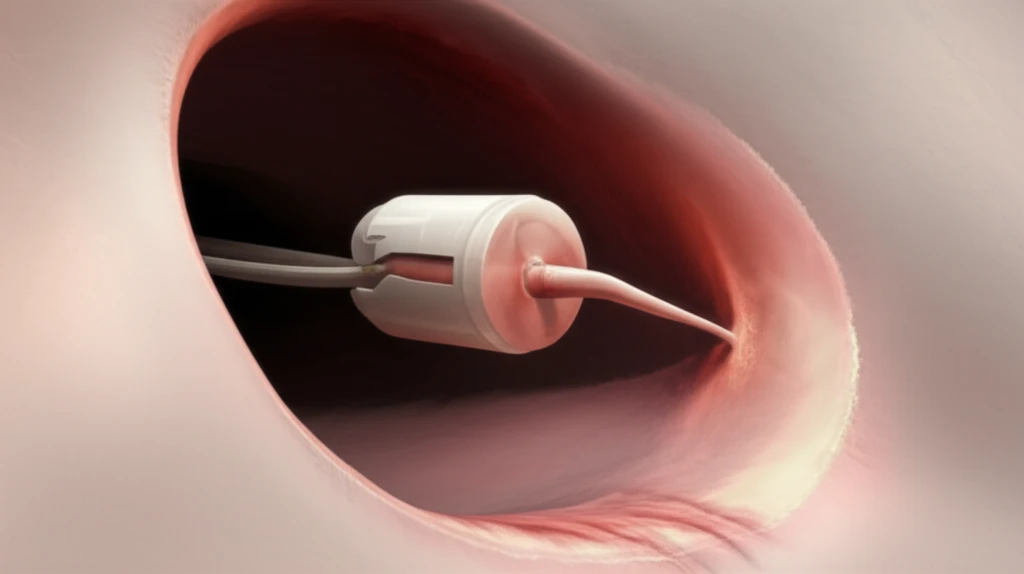
SmartPlug Woes: A Cautionary Tale of Punctal Plug Extrusion

"When Dry Eye Relief Turns Problematic: Understanding the Risks and Management of SmartPlug Complications"
Punctal plugs have become a common solution for managing dry eye, offering a reversible alternative to permanent punctal occlusion. Among these, the SmartPlug, known for its unique temperature-sensitive expansion, has gained popularity.
While generally considered safe, complications can occur. A recent case study sheds light on a rare but significant issue: SmartPlug extrusion through the canalicular mucosa, the delicate lining of the tear duct.
This article delves into this specific case, exploring the symptoms, diagnosis, and management of SmartPlug extrusion, providing valuable insights for patients and practitioners alike.
The Case: When Dry Eye Relief Went Wrong
A 62-year-old woman, previously diagnosed with Sjogren's syndrome and severe dry eye, visited an ophthalmology clinic with complaints of worsening redness and discharge in her right eye. She had a history of SmartPlug insertion in both eyes – 12 years prior in the left and 9 years prior in the right – to manage her dry eye symptoms.
- The foreign body was identified and carefully removed, leaving behind a small defect in the mucosa.
- The foreign body was identified as the SmartPlug.
- The patient was treated with topical antibiotics and ointment.
- Within four weeks, her symptoms completely resolved.
What Does This Mean for SmartPlug Users?
This case serves as a reminder that, while generally safe and effective, SmartPlug insertion is not without potential complications. Patients with a history of SmartPlug insertion should be aware of the signs and symptoms of extrusion, including persistent redness, discharge, swelling, or discomfort around the punctum.
If you experience any of these symptoms, prompt evaluation by an ophthalmologist is crucial. Early diagnosis and treatment can prevent further complications and ensure the best possible outcome.
While SmartPlug extrusion is rare, this case underscores the importance of vigilance and awareness among both patients and eye care professionals. By understanding the potential risks and recognizing the signs of complications, we can optimize the safety and efficacy of dry eye management with punctal plugs.