
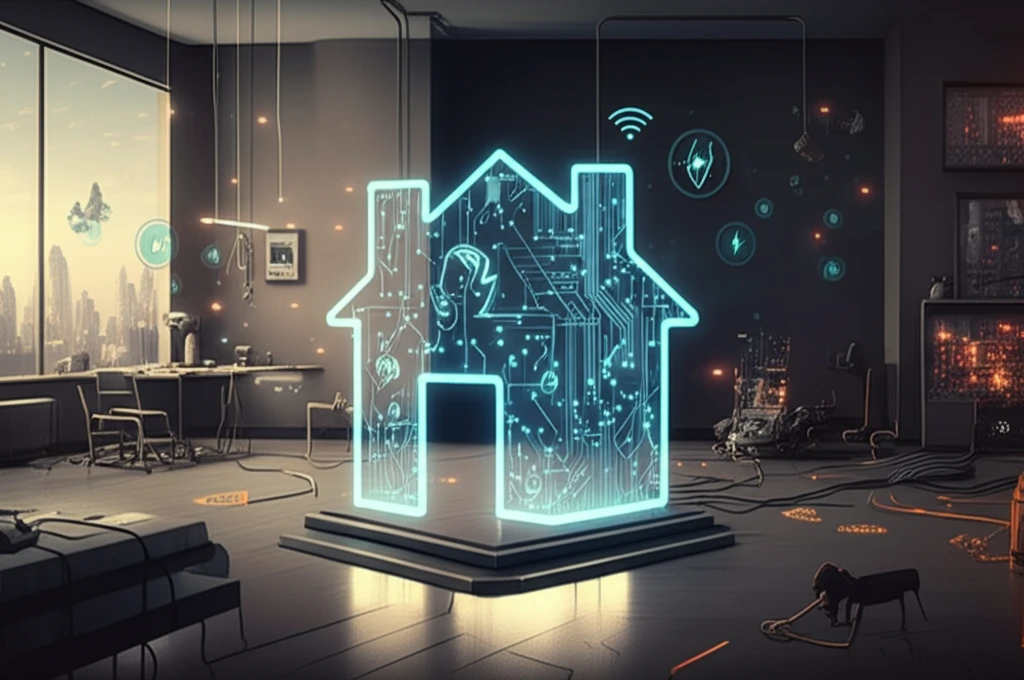
Surreal digital illustration of a smart home with glowing circuits representing IoT power protection.

Smart Home, Safe Home: How IoT is Revolutionizing Power Protection

"Discover how IoT-enabled power protection devices are making our homes safer and more efficient."


In today's tech-driven world, our homes are becoming smarter, more connected, and increasingly reliant on electrical power. From our entertainment systems to our home offices, almost everything we use daily requires a steady flow of electricity. But with increased reliance comes increased risk. Electrical faults can occur at any time, threatening our appliances, our homes, and even our safety.

Fortunately, technological advancements are stepping up to meet these challenges. Enter the era of Internet of Things (IoT)-based power protection devices. These innovative systems are designed to integrate seamlessly into smart environments, providing enhanced electrical safety and real-time monitoring capabilities that traditional circuit breakers simply can’t match.

This article explores how IoT is transforming power protection, offering insights into the technology, its benefits, and its role in creating safer, more efficient smart homes.

What is IoT-Based Power Protection?

Surreal digital illustration of a smart home with glowing circuits representing IoT power protection.

Traditional circuit breakers have long been the standard for protecting our homes from electrical faults. These devices work by tripping and cutting off the power supply when an overload occurs, preventing damage to the electrical system and reducing the risk of fire. However, traditional breakers offer limited protection and provide little to no real-time information about the state of your electrical system.

IoT-based power protection devices, like the ELSA (Electrical Safety) system, represent a significant leap forward. These devices integrate advanced sensors, microcontrollers, and communication modules to provide comprehensive protection against a wide range of electrical faults, including:

  • Overcurrent: Protection against excessive electrical current that can damage appliances and wiring.
  • Overvoltage: Prevents damage from voltage spikes that can harm sensitive electronic devices.
  • Leakage Current: Detects and disconnects power in the event of current leakage, reducing the risk of electric shock.
  • Electrical Arcs: Identifies and mitigates dangerous electrical arcs that can cause fires.
Beyond fault detection, these smart devices offer real-time monitoring and notification capabilities. By connecting to the internet, they can send alerts to your smartphone or computer, providing immediate warnings about potential electrical problems. This allows for quicker response times and can prevent minor issues from escalating into major hazards.

The Future of Home Safety

IoT-based power protection is more than just a technological upgrade; it’s a fundamental shift in how we approach safety in our homes. By providing advanced protection, real-time monitoring, and seamless integration with smart home systems, these devices are empowering homeowners to take control of their electrical safety and create a more secure living environment. As our homes become increasingly reliant on electricity, these smart protection systems will undoubtedly become an essential part of modern living.

About this Article -

This article was crafted using a human-AI hybrid and collaborative approach. AI assisted our team with initial drafting, research insights, identifying key questions, and image generation. Our human editors guided topic selection, defined the angle, structured the content, ensured factual accuracy and relevance, refined the tone, and conducted thorough editing to deliver helpful, high-quality information.See our About page for more information.

This article is based on research published under:

DOI-LINK: 10.1371/journal.pone.0208168, Alternate LINK

Title: Power-System Protection Device With Iot-Based Support For Integration In Smart Environments

Subject: Multidisciplinary

Journal: PLOS ONE

Publisher: Public Library of Science (PLoS)

Authors: Octavian Mihai Machidon, Cornel Stanca, Petre Ogrutan, Carmen Gerigan, Lia Aciu

Published: 2018-12-05

Everything You Need To Know

1

What is the primary difference between traditional circuit breakers and IoT-based power protection systems?

Traditional circuit breakers primarily protect against overloads by tripping and cutting off power. They offer limited real-time information about the electrical system's state. In contrast, IoT-based power protection devices, such as the ELSA system, integrate advanced sensors and communication modules to provide comprehensive protection against various electrical faults, including overcurrent, overvoltage, leakage current, and electrical arcs. They also offer real-time monitoring and send alerts, enabling quicker response times and preventing minor issues from escalating into major hazards.

2

How do IoT-based power protection devices, like the ELSA system, enhance home safety?

IoT-based power protection devices enhance home safety by providing advanced protection against a wide range of electrical faults. These devices, like the ELSA system, detect and mitigate risks such as overcurrent, overvoltage, leakage current, and electrical arcs. Moreover, they offer real-time monitoring and send alerts to your smartphone or computer, allowing homeowners to respond quickly to potential electrical problems. This proactive approach to safety helps prevent damage to appliances, wiring, and even reduces the risk of fire and electric shock.

3

What specific types of electrical faults can IoT-based power protection devices detect and protect against?

IoT-based power protection devices, such as the ELSA system, are designed to protect against several types of electrical faults. These include overcurrent, which protects against excessive electrical current that can damage appliances and wiring; overvoltage, which prevents damage from voltage spikes that can harm sensitive electronic devices; leakage current, which detects and disconnects power in the event of current leakage to reduce the risk of electric shock; and electrical arcs, which identifies and mitigates dangerous electrical arcs that can cause fires.

4

How does real-time monitoring in IoT-based power protection devices work, and what are the benefits?

Real-time monitoring in IoT-based power protection devices involves integrating these devices with the internet, enabling them to send alerts to your smartphone or computer. This feature provides immediate warnings about potential electrical problems, allowing for quicker response times. The benefits include the ability to prevent minor issues from escalating into major hazards, such as appliance damage or fire, and gives homeowners greater control over their electrical safety. It ensures that homeowners are promptly informed of any electrical faults, allowing them to take corrective action swiftly.

5

Why are IoT-based power protection systems considered a fundamental shift in how we approach home safety?

IoT-based power protection systems represent a fundamental shift because they offer advanced protection, real-time monitoring, and seamless integration with smart home systems. This comprehensive approach empowers homeowners to proactively manage their electrical safety, creating a more secure living environment. As homes become increasingly reliant on electricity, these smart protection systems become essential, moving beyond basic protection to providing a connected and responsive safety net. This shift highlights a move towards more intelligent, proactive safety measures, reflecting the evolution of smart home technology.

Newsletter Subscribe

Subscribe to get the latest articles and insights directly in your inbox.