
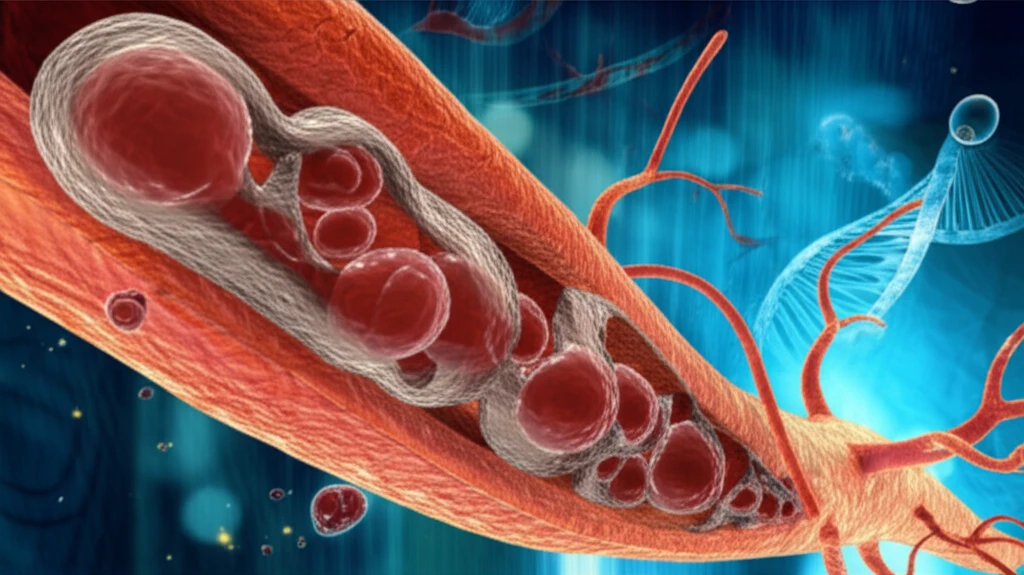
Lymphatic vessels with DNA structure representing genetic differences in malformations

Size Matters: Unlocking the Genetic Secrets of Pediatric Lymphatic Malformations

"New research reveals significant gene expression differences between microcystic and macrocystic lymphatic malformations, paving the way for targeted treatments."


Lymphatic malformations (LMs) are congenital vascular anomalies that appear as dilated, cyst-like channels. Doctors classify them as either macrocystic (large cysts) or microcystic (small cysts). But beyond size, these two types behave differently, respond to treatment differently, and ultimately have different prognoses. This suggests that something more than just physical size dictates their behavior.

To understand what drives these differences, a team of researchers delved into the genetic makeup of LMs. They hypothesized that the distinct clinical characteristics of macrocystic and microcystic LMs stem from variations in their underlying biology and genetic influences.

By analyzing gene expression in a small sample of LM subtypes, the researchers identified a significant number of genes that are expressed differently between macrocystic and microcystic LMs. This discovery opens new avenues for understanding and potentially treating these complex conditions.

Two Types, Two Genetic Profiles

Lymphatic vessels with DNA structure representing genetic differences in malformations

The study revealed that microcystic LMs tend to exhibit a gene expression pattern that promotes cancer-like activity. This includes the upregulation of genes targeted by MYC, a known oncogene, as well as genes involved in cell cycle progression. In simple terms, microcystic LMs show a genetic signature that encourages cell growth and proliferation.

In contrast, macrocystic LMs demonstrate a gene expression pattern associated with hypoxia, or low oxygen conditions. This, in turn, triggers angiogenesis, the formation of new blood vessels, and further cell proliferation. The hypoxic environment appears to be a key driver in the development and growth of macrocystic LMs.

Here's a breakdown of the key genetic differences:
  • Microcystic LMs: Upregulation of MYC target genes, cell cycle proteins, and anti-apoptotic mechanisms, mirroring oncogenic pathways.
  • Macrocystic LMs: Gene expression indicating hypoxic conditions, leading to angiogenesis and cell proliferation.
  • Common Ground: While distinct, both types ultimately result in increased cell proliferation, highlighting a shared characteristic despite differing pathways.
These findings suggest that despite their similar appearance under a microscope, microcystic and macrocystic LMs arise through vastly different biological pathways and mechanisms. Size, it turns out, is just the tip of the iceberg.

What This Means for Treatment

The discovery of distinct genetic profiles for microcystic and macrocystic LMs has significant implications for treatment strategies. Understanding the underlying mechanisms driving each type of malformation could lead to more targeted and effective therapies.

For example, microcystic LMs, with their oncogenic-like profile, might respond to therapies that target MYC or cell cycle progression. Macrocystic LMs, driven by hypoxia and angiogenesis, could be treated with anti-angiogenic drugs or interventions that improve oxygen supply to the affected tissues.

While more research is needed, this study represents a crucial step forward in understanding the complexities of lymphatic malformations and developing personalized treatments that address the unique characteristics of each LM subtype. This can eventually lead to less invasive and more promising results.

About this Article -

This article was crafted using a human-AI hybrid and collaborative approach. AI assisted our team with initial drafting, research insights, identifying key questions, and image generation. Our human editors guided topic selection, defined the angle, structured the content, ensured factual accuracy and relevance, refined the tone, and conducted thorough editing to deliver helpful, high-quality information.See our About page for more information.

This article is based on research published under:

DOI-LINK: 10.1089/lrb.2017.0064, Alternate LINK

Title: Gene Expression Differences In Pediatric Lymphatic Malformations: Size Really Matters

Subject: Cardiology and Cardiovascular Medicine

Journal: Lymphatic Research and Biology

Publisher: Mary Ann Liebert Inc

Authors: Horacio Gomez-Acevedo, James R. Dornhoffer, Annjanette Stone, Yuemeng Dai, Gresham T. Richter

Published: 2018-08-01

Everything You Need To Know

1

What are lymphatic malformations?

Lymphatic malformations (LMs) are congenital vascular anomalies, meaning they are present at birth and involve the lymphatic system. They manifest as abnormal, dilated, cyst-like channels. LMs are classified into macrocystic (large cysts) and microcystic (small cysts) types, with each type exhibiting distinct characteristics and behaviors. The core of the matter is that they are not just different in size, they are different in the underlying biological mechanisms.

2

Why is it important to know the genetic differences between macrocystic and microcystic lymphatic malformations?

The study's findings are important because they reveal distinct genetic profiles between microcystic and macrocystic lymphatic malformations (LMs). This understanding allows for potential development of targeted treatments. The discovery of these unique genetic signatures helps explain why the two types of LMs behave and respond to treatments differently. Microcystic LMs exhibit a gene expression pattern that promotes cancer-like activity, whereas macrocystic LMs demonstrate a gene expression pattern associated with hypoxia, or low oxygen conditions. The implications include more effective, personalized therapies based on the specific genetic makeup of each LM type.

3

What is the role of hypoxia in macrocystic lymphatic malformations?

Macrocystic lymphatic malformations (LMs) are characterized by a gene expression pattern associated with hypoxia, or low oxygen conditions. This hypoxic environment triggers angiogenesis, which is the formation of new blood vessels. It also further cell proliferation. The increased cell proliferation contributes to the growth and development of macrocystic LMs. These findings provide a foundation for understanding the underlying mechanisms that drive the development and growth of macrocystic LMs, and they also suggest potential targets for therapeutic intervention.

4

What genetic characteristics define microcystic lymphatic malformations?

Microcystic lymphatic malformations (LMs) exhibit a gene expression pattern that mirrors oncogenic pathways, meaning they show characteristics similar to cancer cells. This includes upregulation of genes targeted by MYC, a known oncogene. They also have upregulation of cell cycle proteins, and anti-apoptotic mechanisms. Essentially, microcystic LMs display a genetic signature that encourages uncontrolled cell growth and proliferation. Understanding the specific genes and pathways involved in microcystic LMs could lead to the development of targeted therapies to inhibit the growth and spread of these malformations.

5

What are the similarities and differences between macrocystic and microcystic lymphatic malformations?

While both macrocystic and microcystic lymphatic malformations (LMs) have a similar appearance under a microscope, they arise through vastly different biological pathways and mechanisms. The research has identified these differences in gene expression. The main difference is that macrocystic LMs are driven by hypoxia and angiogenesis, and microcystic LMs are driven by pathways that are similar to cancer. The commonality is that both types ultimately result in increased cell proliferation. This means that despite the differing pathways, both LM types share a common outcome which highlights the complexity of these congenital vascular anomalies.

Newsletter Subscribe

Subscribe to get the latest articles and insights directly in your inbox.