
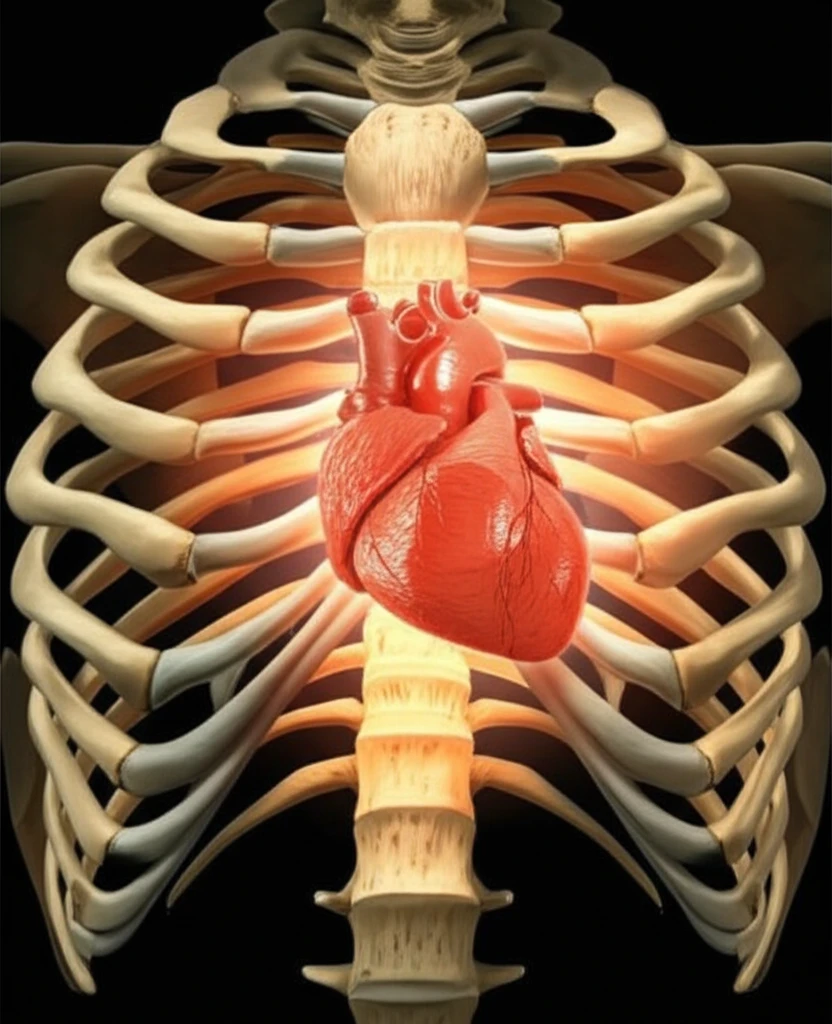
Symbolic representation of a successful heart transplant, blending youth and experience.

Second Chance Hearts: Are Younger Donor Hearts the Key to Adult Transplants?

"New research explores if hearts from early adolescent donors can safely expand the donor pool for adult heart transplant recipients, offering hope and better outcomes."


For individuals facing end-stage heart failure, a heart transplant represents more than just a medical procedure; it's a lifeline. While advancements in left ventricular assist devices have provided crucial support, heart transplantation remains the gold standard for extending and improving the quality of life. Unfortunately, the demand for donor hearts far exceeds the supply. It's estimated that over 20,000 people in the United States could benefit from a heart transplant, yet only a fraction receive one each year.

This disparity highlights a critical need to expand the donor pool safely and effectively. One potential solution lies in re-evaluating the use of hearts from early adolescent donors (individuals aged 10 to 14). These hearts, often not considered for pediatric recipients, could offer a valuable resource for adult patients in need. However, concerns about hormonal factors and heart development have historically limited their use.

Now, a groundbreaking study challenges these long-held beliefs. Researchers have delved into the outcomes of adult transplant recipients who received hearts from early adolescent donors, comparing them to those who received hearts from traditional adult donors. The findings may transform how we approach heart transplantation, offering new hope to those on the waiting list.

Breaking Barriers: Examining Early Adolescent Hearts for Adult Transplants

Symbolic representation of a successful heart transplant, blending youth and experience.

Traditionally, the hearts of early adolescent donors haven't been widely used for adult transplants due to concerns about their development and hormonal activity. Early adolescence is a period marked by significant hormonal changes that fuel growth spurts, sexual development, and the emergence of secondary sexual characteristics. Some experts have theorized that the hormonal surge during this time also impacts heart growth, increasing both the thickness of the heart walls and overall contractility.

Despite these theoretical concerns, the new research aimed to determine if these hearts could be safely transplanted into adult recipients. The study analyzed data from the United Network for Organ Sharing (UNOS) database, which included information on thousands of adult heart transplant recipients between 1994 and 2015. The researchers compared outcomes for those who received hearts from early adolescent donors (ages 10-14) to those who received hearts from standard adult donors (ages 18-55). Several key factors were assessed, including:

  • All-cause mortality
  • Cardiac allograft vasculopathy (CAV), a condition affecting the blood vessels of the transplanted heart
  • Primary graft failure (PGF), which is when the donor heart fails within 90 days of transplant
To ensure a fair comparison, the researchers used a propensity score analysis. This statistical method helped create two groups of recipients with similar baseline characteristics, minimizing the impact of any pre-existing differences. The results of this rigorous analysis provided surprising and encouraging insights.

A Future with More Available Hearts?

This research delivers a powerful message: hearts from early adolescent donors, when carefully matched to adult recipients, can lead to successful outcomes. By expanding the criteria for donor heart acceptance, the medical community can tap into a valuable resource and offer a life-saving treatment to more individuals in need. As transplant centers embrace these findings, the future of heart transplantation looks brighter, with the potential to significantly reduce waiting times and improve the lives of countless patients.

About this Article -

This article was crafted using a human-AI hybrid and collaborative approach. AI assisted our team with initial drafting, research insights, identifying key questions, and image generation. Our human editors guided topic selection, defined the angle, structured the content, ensured factual accuracy and relevance, refined the tone, and conducted thorough editing to deliver helpful, high-quality information.See our About page for more information.

Everything You Need To Know

1

What is a heart transplant and why is it important?

A heart transplant is a surgical procedure where a diseased or failing heart is replaced with a healthy heart from a donor. While devices like left ventricular assist devices can help, heart transplantation is often considered the most effective treatment for end-stage heart failure, improving both lifespan and quality of life. However, the number of available donor hearts is much lower than the number of people who need them.

2

What is the focus of the new research on heart transplants?

The study focused on using hearts from early adolescent donors, specifically those aged 10 to 14, for adult recipients. Traditionally, these hearts weren't considered suitable due to concerns about hormonal influences and the heart's development during that age. Researchers compared outcomes of adult recipients who received these hearts to those who received hearts from standard adult donors (ages 18-55) to assess their viability.

3

How did the researchers conduct the study on early adolescent hearts?

Researchers analyzed data from the United Network for Organ Sharing (UNOS) database, comparing adult heart transplant recipients who received hearts from early adolescent donors with those who received hearts from standard adult donors. They looked at all-cause mortality, cardiac allograft vasculopathy (CAV) which affects the blood vessels of the transplanted heart, and primary graft failure (PGF), where the donor heart fails shortly after transplant.

4

What is propensity score analysis and why was it used in this research?

Propensity score analysis is a statistical method used to create comparable groups for study when the groups might have pre-existing differences. In this study, it helped ensure a fair comparison between adult recipients of early adolescent donor hearts and those of standard adult donor hearts by balancing baseline characteristics, reducing bias from other variables.

5

What are the potential implications of this research for heart transplantation?

The research suggests that expanding the donor pool to include carefully matched hearts from early adolescent donors could significantly increase the availability of life-saving heart transplants for adults. This could reduce waiting times and improve outcomes for people with end-stage heart failure. The findings challenge previous assumptions about the suitability of these hearts, potentially changing transplant practices.

Newsletter Subscribe

Subscribe to get the latest articles and insights directly in your inbox.