
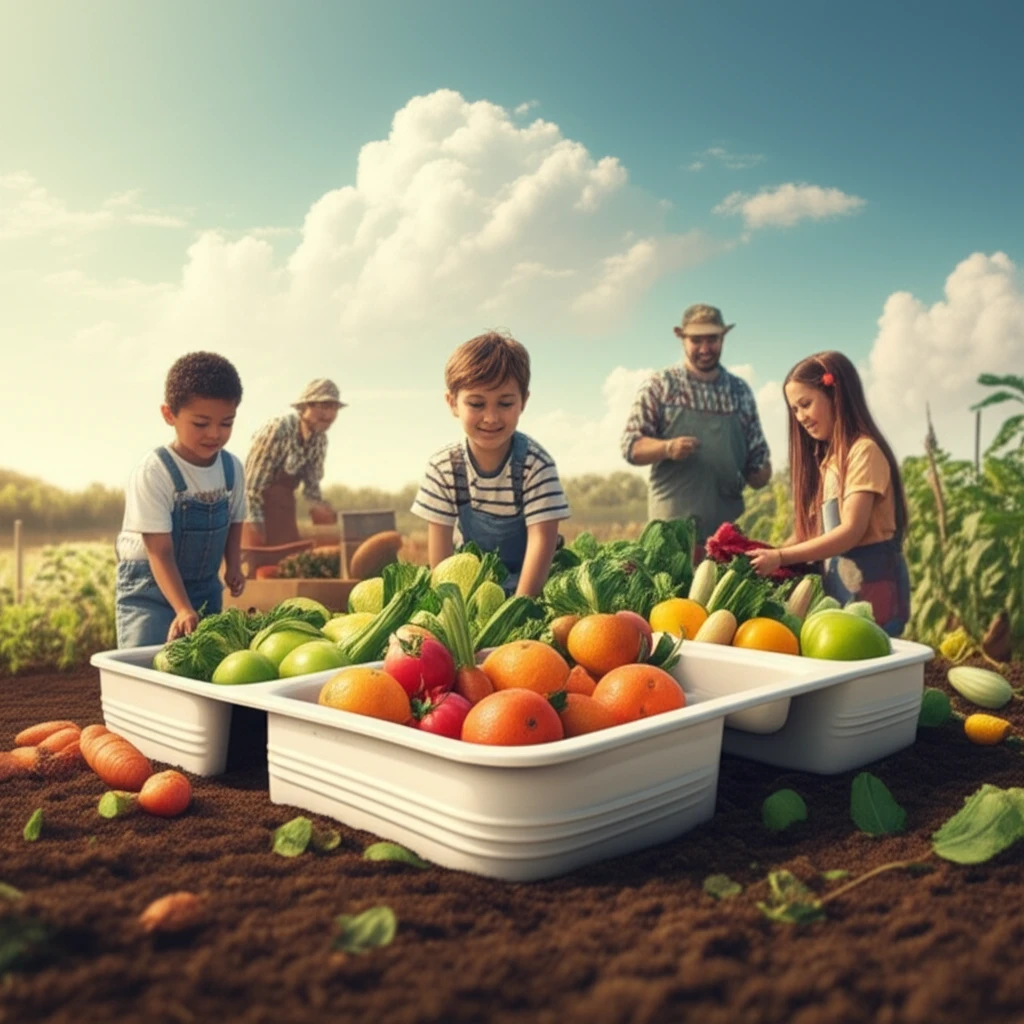
School Lunch Revolution: Reimagining Food for Healthier Kids & Local Farms

"Can a legal framework transform school meals into a catalyst for better nutrition and community development?"
For decades, Brazil's National School Feeding Program (PNAE) has been a cornerstone of nutrition for students. But times have changed, and so have the dietary challenges facing young people. With rising rates of obesity and processed food consumption, it's time to ask: can the PNAE be more than just a meal provider? Can it actively shape healthier eating habits and support local communities?
This article delves into the legal framework of the PNAE, examining its potential to promote healthy, culturally relevant food choices that boost the well-being of Brazilian students and invigorate local economies. We'll explore how current regulations can be interpreted and applied to prioritize fresh, minimally processed foods while empowering family farms.
The goal is to spark a conversation about how the PNAE can evolve to meet today's nutritional needs, foster sustainable food systems, and cultivate a generation of healthy eaters.
Decoding the PNAE: Key Directives for a Healthier Future
The PNAE's legal foundation rests on several key principles aimed at providing nutritious and culturally appropriate meals. These directives offer a roadmap for creating a school food environment that supports both student health and local economies:
- Healthy and Appropriate Food: Prioritizing varied, safe foods that respect local culture, traditions, and healthy eating habits.
- Nutrition Education: Integrating food and nutrition into the curriculum, connecting theory with practical, healthy life skills.
- Sustainable Development: Incentivizing the purchase of diverse foods from local and, preferably, family farms.
- Menu Guidelines: Creating menus based on the population's health profile, using traditional local foods, and emphasizing regional sustainability and agricultural diversity.
Seeding Change: A Call to Action for a Healthier Food Future
The PNAE holds immense potential to reshape Brazil's food system, one school lunch at a time. By prioritizing minimally processed foods from local family farms, the program can nourish children, strengthen communities, and revitalize traditional foodways.
However, realizing this vision requires a concerted effort from policymakers, school administrators, farmers, and communities. It demands a shift in mindset, from simply providing calories to cultivating healthy eating habits and supporting sustainable food production.
Let's work together to ensure that the PNAE becomes a catalyst for a healthier, more equitable, and sustainable food future for Brazil.