
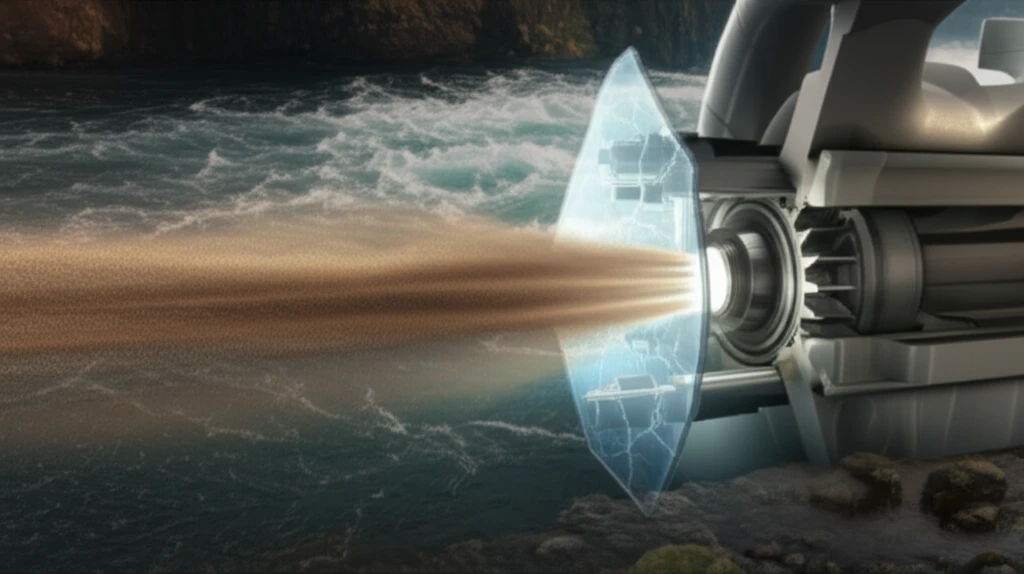
Protective shield deflecting sand particles from hydroelectric turbine.

Sand Erosion Woes: How to Protect Your Turbines & Maximize Power

"Discover practical strategies to combat sand erosion in hydroelectric turbines, ensuring efficient power generation and long-term reliability."


For hydroelectric power plants nestled along rivers thick with sediment, sand erosion is a relentless adversary. It chews away at turbine components, leading to frequent repairs, costly downtime, and a significant drop in power generation efficiency. Imagine your power plant constantly battling a microscopic sandblaster—that's the reality many operators face.

The challenge isn't just about the physical wear and tear; it's about the ripple effect. Eroded turbines cause operational instability, forcing plant shutdowns and reducing the overall lifespan of critical equipment. The financial implications are substantial, making effective erosion management a top priority for sustainable hydropower operations.

This article dives deep into the problem of sand erosion, drawing insights from a case study of the Kali Gandaki “A” Hydroelectric Project (144 MW) in Nepal. We'll explore the causes, effects, and, most importantly, the repair and maintenance strategies that can help your plant stay ahead of this abrasive threat.

Why is Sand Erosion Such a Big Deal for Turbines?

Protective shield deflecting sand particles from hydroelectric turbine.

Sand erosion isn't just a surface-level issue; it's a complex process influenced by several factors. Understanding these factors is the first step toward effective mitigation. Here's what makes sand erosion so damaging:

The abrasive particles in river sediment act like a constant sandpaper, grinding away at turbine surfaces. The faster the water flows and the higher the concentration of sediment, the more aggressive the erosion becomes. But it's not just the amount of sediment; the size and hardness of the particles also play a crucial role.

  • Sediment Load: The amount of sand and silt flowing through the turbine directly impacts the rate of erosion. High sediment loads, especially during flood seasons, can accelerate wear and tear.
  • Particle Size and Hardness: Larger, harder particles cause more damage than smaller, softer ones. Quartz, a common component of river sediment, is particularly abrasive.
  • Turbine Operation: How the turbine is operated also matters. Frequent starts and stops, as well as operation at partial load, can increase turbulence and accelerate erosion in certain areas.
  • Cavitation: This phenomenon, where vapor bubbles form and collapse violently, can exacerbate erosion. Cavitation often occurs in areas of low pressure, further weakening turbine surfaces.
The Kali Gandaki "A" project, for example, faces a significant challenge due to the high sediment load in the Kali Gandaki River. Despite elaborate desilting arrangements, substantial amounts of silt pass through the turbines daily. This constant barrage necessitates frequent inspections and repairs.

The Future of Turbine Protection: A Call for Innovation

The battle against sand erosion is ongoing, requiring continuous innovation and adaptation. By understanding the factors that contribute to erosion and implementing effective maintenance and repair strategies, hydroelectric plants can minimize downtime, reduce costs, and ensure a sustainable supply of clean energy. The insights from Kali Gandaki “A” offer a valuable roadmap for other plants facing similar challenges, highlighting the importance of proactive erosion management in the pursuit of reliable and efficient hydropower.

About this Article -

This article was crafted using a human-AI hybrid and collaborative approach. AI assisted our team with initial drafting, research insights, identifying key questions, and image generation. Our human editors guided topic selection, defined the angle, structured the content, ensured factual accuracy and relevance, refined the tone, and conducted thorough editing to deliver helpful, high-quality information.See our About page for more information.

This article is based on research published under:

DOI-LINK: 10.3126/hn.v17i0.13270, Alternate LINK

Title: Effect Of Sand Erosion On Turbine Components: A Case Study Of Kali Gandaki “A” Hydroelectric Project (144 Mw), Nepal

Subject: General Medicine

Journal: Hydro Nepal: Journal of Water, Energy and Environment

Publisher: Nepal Journals Online (JOL)

Authors: Balendra Chhetry, Kumar Rana

Published: 2015-08-28

Everything You Need To Know

1

What are the primary factors that make sand erosion such a significant problem for hydroelectric turbines, like those at the Kali Gandaki "A" Hydroelectric Project?

Sand erosion is a complex issue influenced by factors like sediment load, particle size and hardness, turbine operation, and cavitation. High sediment loads, especially during floods like at the Kali Gandaki "A" project, introduce abrasive particles that grind away turbine surfaces. Larger, harder particles, such as quartz, cause more damage. Frequent turbine starts and stops, as well as partial load operation, increase turbulence, accelerating erosion. Cavitation, the formation and collapse of vapor bubbles in low-pressure areas, further weakens turbine surfaces.

2

How does the operation of a hydroelectric turbine itself contribute to the acceleration of sand erosion, and what operational adjustments might mitigate these effects?

Turbine operation significantly impacts sand erosion rates. Frequent starts and stops, along with operation at partial load, increase turbulence, which accelerates erosion in specific turbine areas. To mitigate this, plants should optimize operational strategies to minimize starts and stops and avoid prolonged partial load operation. Implementing real-time monitoring of sediment levels and adjusting turbine operation accordingly can also reduce erosion. Plants can also consider variable speed turbines, which are more efficient at variable loads.

3

What specific maintenance and repair strategies are crucial for hydroelectric plants like the Kali Gandaki "A" project to combat the ongoing effects of sand erosion on their turbines?

For plants like the Kali Gandaki "A" project, regular inspections are vital for detecting early signs of erosion. Implementing advanced repair techniques such as hard coatings or surface treatments can extend the lifespan of turbine components. Optimizing desilting arrangements to reduce the amount of silt entering the turbines is also essential. Furthermore, a proactive approach to erosion management, including continuous monitoring and adaptive strategies, is necessary for minimizing downtime and ensuring a sustainable energy supply.

4

In what ways can innovation in turbine design and materials contribute to more effective and long-lasting protection against sand erosion, ensuring the sustainability of hydroelectric power generation?

Innovation in turbine design can significantly enhance protection against sand erosion. Developing turbines with more erosion-resistant materials, such as advanced alloys or composite materials, can reduce wear and tear. Optimizing the hydraulic design to minimize turbulence and cavitation also helps. Additionally, incorporating sensors for real-time monitoring of erosion rates allows for proactive maintenance and prevents catastrophic failures, ensuring the long-term reliability and sustainability of hydroelectric power generation.

5

What are the financial and operational implications for hydroelectric plants that neglect proactive sand erosion management, and how can insights from the Kali Gandaki "A" Hydroelectric Project inform better strategies?

Neglecting sand erosion management can lead to frequent repairs, costly downtime, and a significant reduction in power generation efficiency, resulting in substantial financial losses. Eroded turbines cause operational instability, forcing plant shutdowns and reducing the lifespan of critical equipment. The Kali Gandaki "A" project highlights the importance of proactive erosion management through its continuous challenges with high sediment loads. By adopting similar strategies, such as robust desilting arrangements, regular inspections, and advanced repair techniques, other plants can minimize downtime, reduce costs, and ensure a sustainable supply of clean energy.

Newsletter Subscribe

Subscribe to get the latest articles and insights directly in your inbox.