
Salivary Stones Got You Down? How to Protect Your Glands and Find Relief

"A modern guide to understanding salivary stones, exploring innovative treatments, and preserving your gland health for a happier, healthier you."
Salivary gland obstruction, often caused by salivary stones (sialoliths), can be a real pain – literally! Characterized by recurring pain and swelling, especially when eating, it affects a significant portion of the population. While some stones pass unnoticed, others cause considerable discomfort and require medical intervention.
Historically, the primary approach to managing salivary stones involved alleviating inflammation and often removing the affected gland. However, modern medicine is increasingly focused on preserving the gland whenever possible. Why? Because glands with chronic inflammation can often recover and function normally once the obstruction is removed.
This shift towards gland preservation has led to the rise of minimally invasive techniques like sialendoscopy, which allows doctors to visualize and treat the source of obstruction directly. But is sialendoscopy always the best option? Recent research is helping to identify which patients are most likely to benefit from this approach and when more traditional surgical methods might be more effective.
Understanding Sialendoscopy: A Modern Approach to Salivary Stones
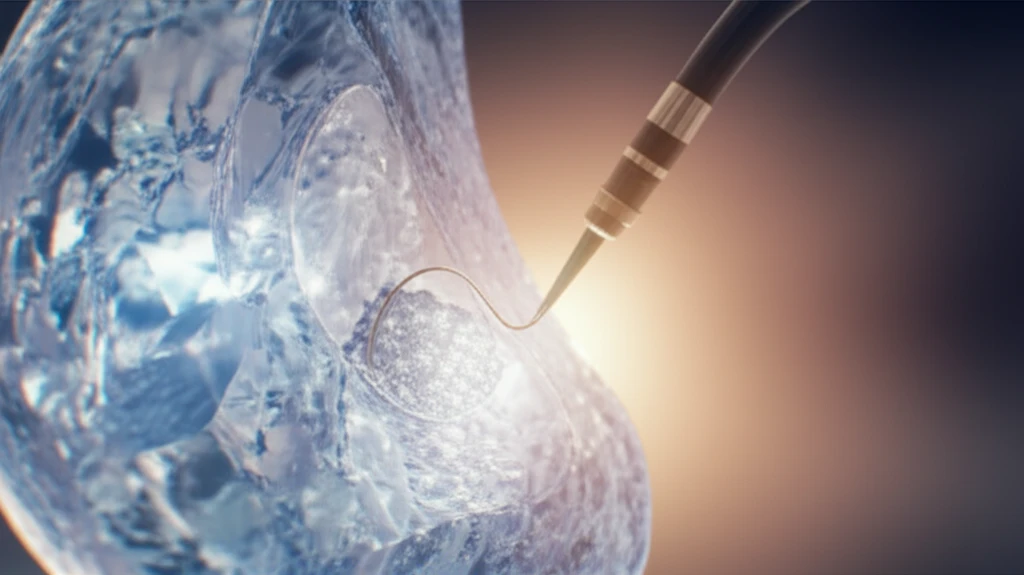
Sialendoscopy, first introduced in 1991, has revolutionized the treatment of salivary stones. This minimally invasive procedure uses small endoscopes to navigate the salivary ducts, allowing doctors to visualize and remove stones or dilate strictures. Compared to traditional surgery, sialendoscopy is generally considered safer, with a lower complication rate.
- Advantages of Sialendoscopy:
- Direct visualization of salivary ducts.
- Minimally invasive approach.
- Lower complication rates compared to traditional surgery.
- Disadvantages of Sialendoscopy:
- High equipment costs.
- Requires specialized training.
- Potential for complications (though rare).
- Not universally available.
Making Informed Decisions for Your Salivary Gland Health
Dealing with salivary stones can be frustrating, but understanding your treatment options is the first step towards finding relief and protecting your long-term salivary gland health. By considering factors like stone size and location, your doctor can determine the most appropriate approach, whether it's minimally invasive sialendoscopy or a targeted surgical removal. Don't hesitate to discuss your concerns and ask questions to ensure you're making informed decisions about your care.