
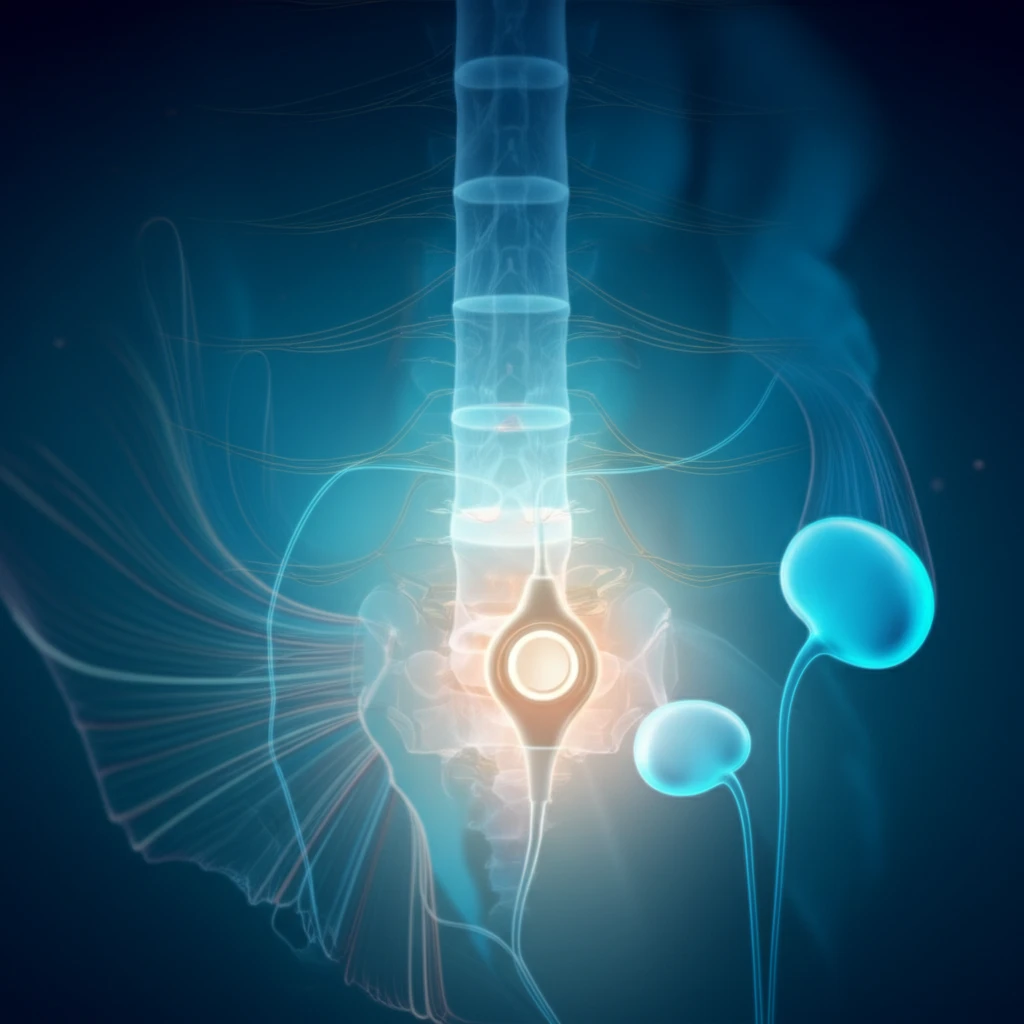
Sacral Neuromodulation: What To Expect After Your Procedure

"A comprehensive guide to post-implant management, potential complications, and long-term care for sacral neuromodulation."
Sacral neuromodulation (SNM) can be a life-changing therapy for individuals suffering from bladder and bowel dysfunction. However, the success of SNM isn't solely dependent on the implant procedure itself. Effective post-implant management is crucial to ensure the therapy works well for the long term.
After your SNM device is implanted, you'll need ongoing care and monitoring. Common questions arise about follow-up schedules, what happens during pregnancy, and whether you can undergo MRI scans. It's also important to be aware of potential complications like declining effectiveness, pain, or wound issues.
This article provides a comprehensive overview of post-implant SNM management. It will address common concerns, offer practical troubleshooting tips, and empower you to navigate your SNM therapy with confidence. Our insights blend research findings with years of clinical experience to help you achieve the best possible outcome.
Navigating Post-Implant Life: Follow-Up, Pregnancy, and MRI
After SNM implantation, regular follow-up appointments are essential. While there's no one-size-fits-all schedule, these visits typically involve assessing your clinical response and checking the device's stimulation settings.
- Evaluate your bladder and bowel diaries to track progress.
- Use patient-reported outcome measures to assess your quality of life.
- Check post-void residual volume, especially for those with urinary retention.
- Adjust device programming to optimize stimulation.
- Conduct radiographic documentation of the lead placement, if deemed necessary.
Long-Term Success with SNM: Troubleshooting and Beyond
Even with successful initial results, you might experience changes in stimulation over time. This could manifest as a loss of efficacy, painful stimulation, or stimulation in unintended areas. Fortunately, many of these issues can be resolved with careful troubleshooting.
If you notice any changes, the following steps may help:
Sacral neuromodulation has revolutionized the treatment of urinary and bowel dysfunction. By understanding post-implant management, recognizing potential complications, and working closely with your healthcare provider, you can maximize the benefits of this therapy and achieve long-term symptom relief.