
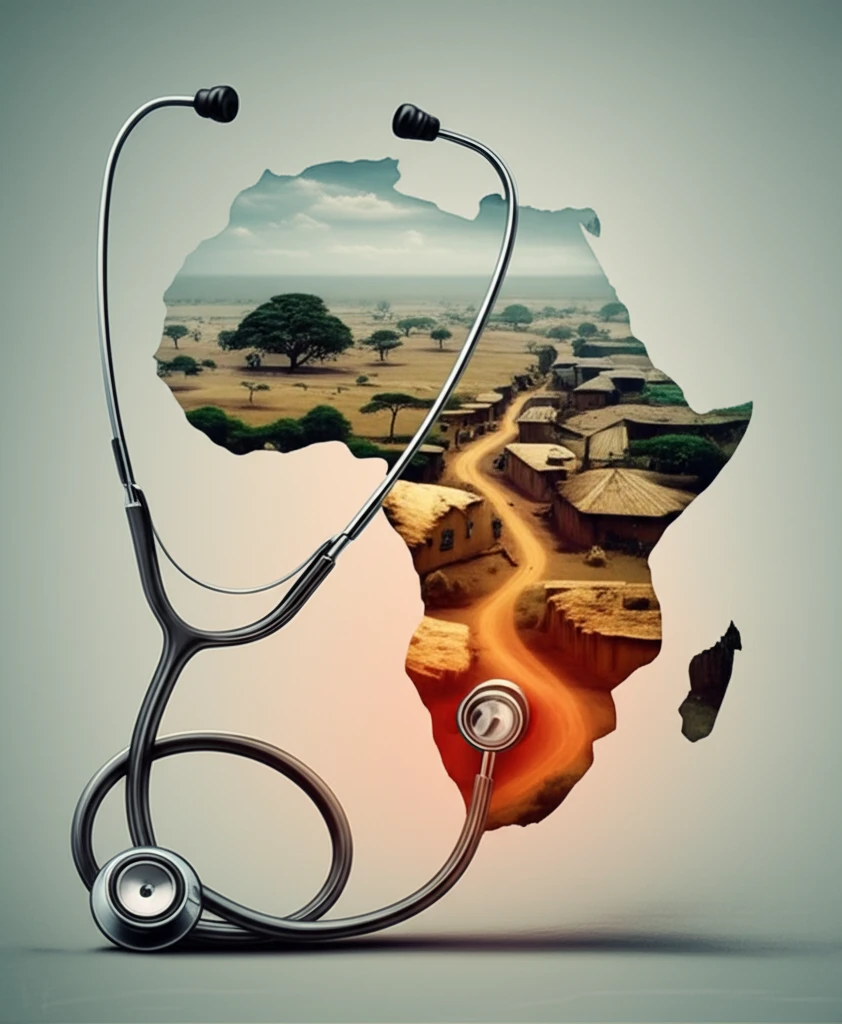
Stethoscope outlining Africa, symbolizing rural hypertension crisis

Rural Hypertension: An Overlooked Crisis in Sub-Saharan Africa?

"New research reveals alarmingly high rates of hypertension in rural Nigerian communities, challenging long-held assumptions about urban-rural health disparities."


For years, cardiovascular disease (CVD) has been considered a major health threat in industrialized nations and increasingly, in urban centers of sub-Saharan Africa. Hypertension, a primary risk factor for CVD, has been traditionally associated with urban lifestyles. However, a recent study conducted in a rural community in Southeast Nigeria is challenging this assumption.

The research highlights a significant prevalence of hypertension among residents of a rural Igbo community, suggesting an ongoing epidemiological shift. This discovery necessitates a re-evaluation of current healthcare approaches and resource allocation, emphasizing the need for targeted interventions in these previously overlooked populations. As this article aims to explore the changing patterns of hypertension in rural Nigeria, identifying potential contributing factors and implications for broader public health strategies.

This article breaks down the key findings of the study, offering insights into the demographics affected, potential lifestyle factors at play, and the urgent call for increased awareness and proactive healthcare measures in rural communities. It addresses the core question: Are we adequately addressing the looming threat of hypertension in rural sub-Saharan Africa?

Hypertension's Unexpected Rise in Rural Nigeria: Unpacking the Numbers

Stethoscope outlining Africa, symbolizing rural hypertension crisis

The study, conducted in the Imezi Owa community in Enugu State, Nigeria, involved 858 participants aged 40-70 years. The results revealed that a staggering 46.4% of the subjects had hypertension, a rate significantly higher than previous estimates for rural areas in Nigeria. While hypertension was slightly more prevalent in males (50.2% vs. 44.8% in females), the difference was not statistically significant.

Several factors may contribute to this unexpected rise in hypertension. The study suggests a link between increasing intake of high-calorie foods and physical inactivity, mirroring trends observed in urban settings. This shift towards less healthy lifestyles in rural areas is likely driven by:

  • Dietary Changes: Increased consumption of processed foods and a decline in traditional diets.
  • Reduced Physical Activity: Shift from agricultural labor to more sedentary occupations.
  • Socioeconomic Factors: Limited access to healthcare and health education, leading to delayed diagnosis and management.
Interestingly, the study also examined other cardiovascular risk factors among the hypertensive participants. While hypercholesterolemia and elevated fasting blood glucose were relatively low, central obesity was prevalent in 35.4% of subjects. This suggests that abdominal obesity is a significant contributor to hypertension in this rural population. The study highlights the need for targeted interventions focusing on weight management and healthy lifestyle promotion.

The Wake-Up Call: Addressing Rural Hypertension in Sub-Saharan Africa

The findings of this study serve as a critical reminder that hypertension is no longer solely an urban health concern in Sub-Saharan Africa. The high prevalence in rural communities like Imezi Owa demands immediate attention and a shift in public health strategies.

Moving forward, healthcare interventions should prioritize increased awareness, regular blood pressure screenings, and lifestyle modifications tailored to the specific needs of rural populations. This includes promoting traditional healthy diets, encouraging physical activity, and improving access to affordable healthcare services.

Further research is needed to fully understand the complex interplay of factors driving the rise of hypertension in rural Africa. However, this study provides a crucial foundation for developing effective interventions and mitigating the growing threat of cardiovascular disease in these vulnerable communities. The time to act is now, before this silent epidemic further burdens already strained healthcare systems.

About this Article -

This article was crafted using a human-AI hybrid and collaborative approach. AI assisted our team with initial drafting, research insights, identifying key questions, and image generation. Our human editors guided topic selection, defined the angle, structured the content, ensured factual accuracy and relevance, refined the tone, and conducted thorough editing to deliver helpful, high-quality information.See our About page for more information.

This article is based on research published under:

DOI-LINK: 10.4061/2011/621074, Alternate LINK

Title: Pattern Of Blood Pressure Indices Among The Residents Of A Rural Community In South East Nigeria

Subject: Internal Medicine

Journal: International Journal of Hypertension

Publisher: Hindawi Limited

Authors: B. J. C. Onwubere, E. C. Ejim, C. I. Okafor, A. Emehel, A. U. Mbah, U. Onyia, S. Mendis

Published: 2011-01-01

Everything You Need To Know

1

What were the key findings regarding hypertension rates in the Imezi Owa community in Enugu State, Nigeria?

The study conducted in the Imezi Owa community of Enugu State, Nigeria, revealed that 46.4% of the participants aged 40-70 years had hypertension. This figure is surprisingly high compared to previous estimates for rural areas in Nigeria, indicating a significant health challenge that needs urgent attention. While hypertension prevalence was slightly higher in males (50.2%) than in females (44.8%), the difference wasn't statistically significant, highlighting that both genders are at substantial risk in this community.

2

What are the main factors that might be driving the increase in hypertension cases within rural communities like Imezi Owa?

Several factors may contribute to the increased rates of hypertension in rural communities like Imezi Owa. These include dietary changes involving increased consumption of processed foods and a decline in traditional diets, reduced physical activity due to a shift from agricultural labor to more sedentary occupations, and socioeconomic factors such as limited access to healthcare and health education, which lead to delayed diagnosis and management. Central obesity, prevalent in 35.4% of subjects, also appears to be a significant contributor.

3

How does the discovery of high hypertension rates in rural Nigeria challenge existing assumptions about cardiovascular health in Sub-Saharan Africa?

The study in Imezi Owa challenges the long-held assumption that hypertension is primarily an urban health issue in Sub-Saharan Africa. The high prevalence of hypertension in a rural Igbo community indicates that the problem is more widespread than previously thought. This necessitates a re-evaluation of current healthcare approaches and resource allocation, emphasizing the need for targeted interventions in previously overlooked rural populations.

4

What specific details or areas related to hypertension in rural communities were not fully explored in the Imezi Owa study?

While the study in Imezi Owa identifies dietary changes, reduced physical activity, socioeconomic factors, and central obesity as potential contributors to hypertension, it does not delve deeply into the specific types of processed foods consumed, the exact nature of sedentary occupations, or the detailed mechanisms through which socioeconomic factors affect healthcare access. Further research is needed to understand these aspects comprehensively and to develop more effective interventions.

5

What implications do the hypertension findings in Imezi Owa have for broader public health strategies across Sub-Saharan Africa?

The findings from the study in Imezi Owa suggest that public health strategies in Sub-Saharan Africa need to shift from primarily focusing on urban areas to also include targeted interventions in rural communities. These interventions should focus on promoting healthy lifestyles through weight management programs, encouraging traditional diets, increasing physical activity, and improving access to healthcare and health education. By addressing these factors, healthcare systems can better manage and reduce the rising rates of hypertension in rural populations and, in turn, decrease cardiovascular disease risk.

Newsletter Subscribe

Subscribe to get the latest articles and insights directly in your inbox.