
Ride the Wave of Innovation: How Composite Materials are Revolutionizing Watersports and Beyond

"Discover how advanced composite technology is transforming windsurfing and marine applications, making them lighter, faster, and more eco-friendly."
The world of watersports and marine technology is constantly evolving, driven by the relentless pursuit of enhanced performance, durability, and sustainability. At the forefront of this evolution are composite materials, engineered to offer superior strength, reduced weight, and greater design flexibility compared to traditional materials. These innovations are not just improving the recreational experiences of windsurfers and sailors but also driving efficiency and environmental responsibility in the broader maritime sector.
Imagine gliding effortlessly across the water on a windsurfing board that's both lighter and stronger than its predecessors, or witnessing sailboats slice through waves with unprecedented stability and speed. This vision is rapidly becoming a reality thanks to pioneering companies like Cobra International and Chomarat, who are pushing the boundaries of composite technology. Their efforts are paving the way for a new generation of high-performance, eco-conscious marine products.
This article delves into the latest advancements in composite materials, highlighting how they're being applied in the design and construction of windsurfing boards and marine components. We'll explore the innovative techniques and materials that are making waves in the industry, offering a glimpse into a future where sustainability and performance go hand in hand.
Strength in Combination
A composite material is a solid that results when two or more different substances, each with its own characteristics, are combined to create a new substance whose properties are superior to those of the original components. This principle underpins the boards, hulls, and gear found across watersports today. New discoveries in materials science, coupled with the ingenuity of boat builders, continue to reshape the landscape of maritime construction.
A Mature Yet Developing Field
Engineering literature describes the technology of composite materials as having reached a stage of maturity, although it is still developing. Standard practice centers on combining base constituents, and prospects for the future are bright in part because the cost of the basic constituents is decreasing due to market forces. Falling constituent costs help remove a longstanding barrier to broader adoption of composites in performance equipment.
From the 1960s Surf Scene
Windsurfing emerged in the 1960s and quickly gained popularity for its unique blend of skills, pairing traditional surfing with a new board-and-sail configuration. Over the decades, materials science and the ingenuity of builders transformed these early designs into today's high-performance equipment. The result is a lineage that runs from simple early boards to sophisticated composite-based rigs.
Cobra International's Composite Windsurfing Revolution
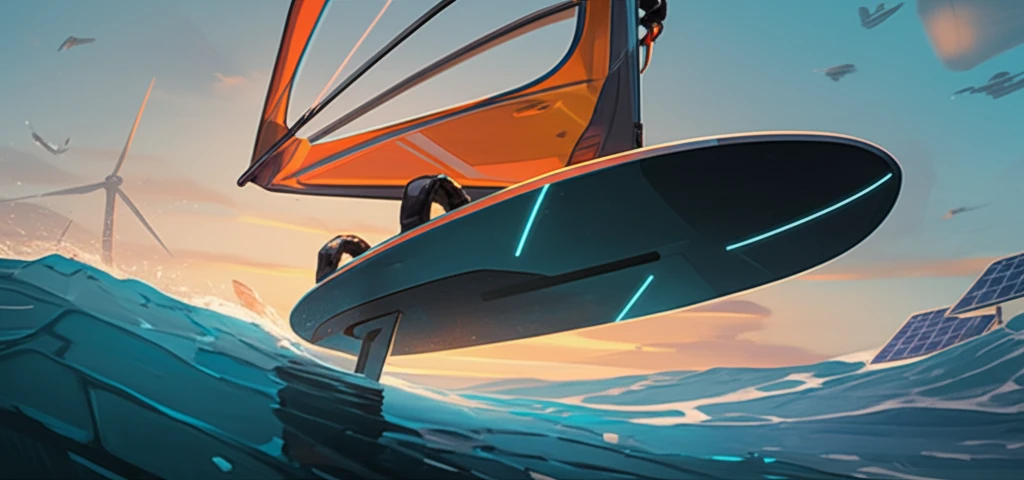
Cobra International, a leading composite supplier, has recently launched its latest innovation: a composite windsurfing board designed to redefine the windsurfing experience. This new board, part of the Windsurfer LT series, is engineered for versatility, catering to a wide range of users from beginners to seasoned professionals. Whether you're racing, practicing freestyle, or simply enjoying a leisurely paddle on a calm day, this board is designed to deliver optimal performance.
- Lightweight Construction: Uses lightweight EPS core, glass combi fabrics and a bio based foaming epoxy.
- Enhanced Performance: Optimized for racing, freestyle, and recreational paddling.
- Eco-Friendly Materials: Incorporates sustainable materials to reduce environmental impact.
- Durable Design: Built to withstand the rigors of regular use in various water conditions.
A Dedicated Research Front
Composites Science and Technology serves as a dedicated peer-reviewed journal for advances in the field, documenting how the technology continues to evolve. The current technology lifecycle in composite-based products, such as composite orthoses, is characterized by rapid evolution, with ongoing R&D focused on novel composite materials. This research pipeline feeds directly into the performance and durability demands of watersports equipment.
Aging Infrastructure as a Counterweight
Not every challenge is material-level; aging systems can undermine the gains composites promise. Europe loses 26% of its water supply yearly due to leaks in aging underground pipes, a reminder that new materials alone cannot solve infrastructure failures. Solutions such as Pipebots—tiny, innovative robots setting new standards in urban water management—show that complementary innovations are required alongside advanced materials.
Green Hulls Versus Conventional Builds
From bio-based composites to innovative hull designs, eco-friendly boat materials are increasingly compared with conventional construction methods. The possibilities, builders note, are as vast as the ocean itself. The broader watersports segment also reflects a shift toward eco-friendly practices and adaptability, as seen with battery-operated surfboards that extend the thrill of riding waves in new ways.
The Future of Marine Innovation
As technology continues to evolve, composite materials will undoubtedly play an increasingly crucial role in shaping the future of watersports and the marine industry. From lighter, faster windsurfing boards to more durable and efficient sailboat components, the possibilities are endless. By embracing innovation and prioritizing sustainability, companies like Cobra International and Chomarat are not only enhancing the performance of marine products but also contributing to a cleaner, more environmentally responsible future for the industry.
Bright Prospects Ahead
Experts note that while composite technology is still developing, it has reached a stage of maturity, and prospects for the future are bright for a variety of reasons. The decreasing cost of the basic constituents, driven by market forces, supports adoption across industries from maritime construction to medical devices. Continued R&D keeps the field in rapid evolution, pairing superior material properties with falling price points.
Self-Healing and Bioresorbable Frontiers
Ongoing R&D is exploring novel composite materials such as bioresorbable and self-healing polymers, which promise components that can repair themselves or safely degrade at the end of their useful life. Related advances, including infrared blocking films, point to multifunctional composites that do far more than carry structural loads. These next-generation materials could redefine everything from medical orthoses to high-performance watersports equipment.
Sustainability as a Systemic Force
Beyond the thrill of riding waves, the watersports segment reflects a shift toward eco-friendly practices and adaptability. This movement aligns with maritime construction's turn toward bio-based composites and innovative hull designs. Together these trends signal that sustainability is becoming a systemic driver of material choice rather than a niche preference.
The Hydro Board Experience
The hydro board with motor unveils a world of innovation and sophistication for riders. From its innovative motor integration to enhanced maneuverability and control, each feature is meticulously designed to change how people experience the water. These advances translate engineering breakthroughs into tangible thrills for everyday enthusiasts.