
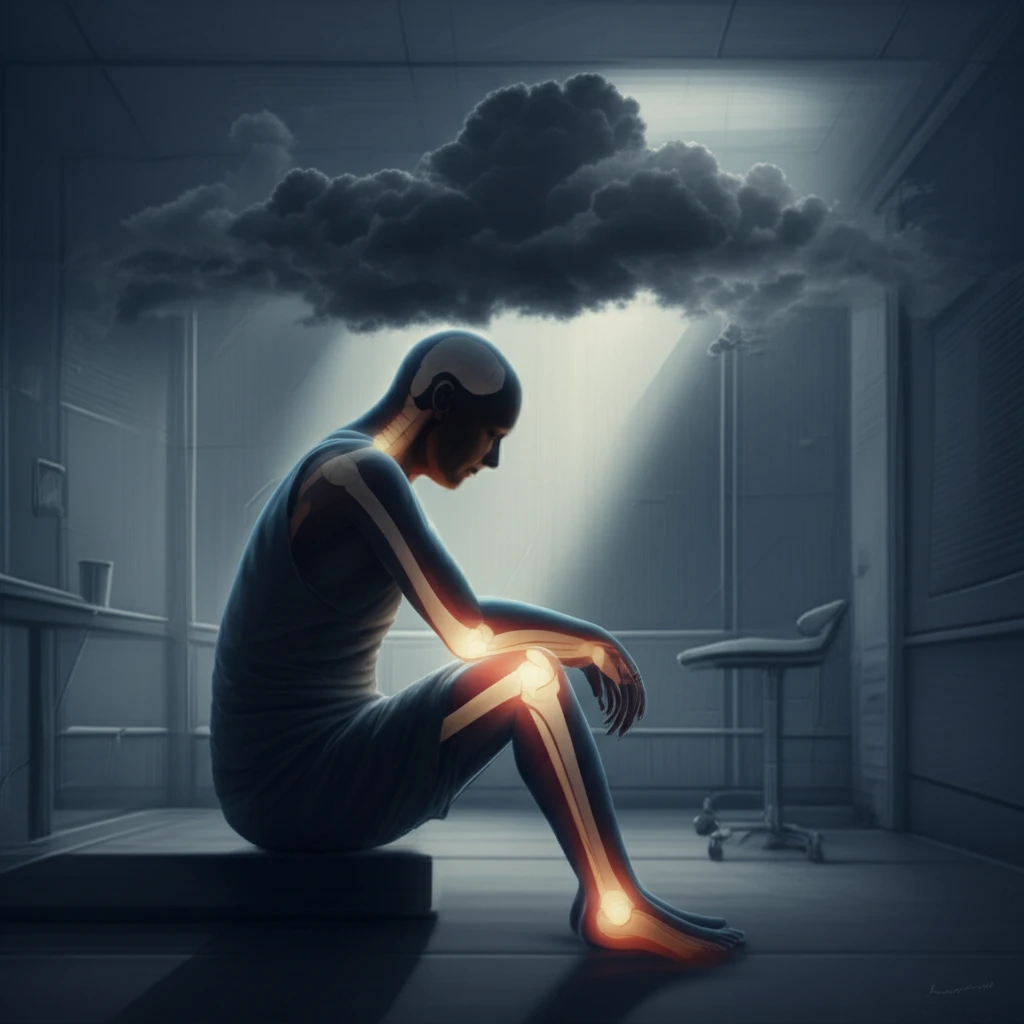
Rheumatoid Arthritis and Depression: Are We Missing the Link?

"Unveiling the Hidden Burden of Depression in Rheumatoid Arthritis Patients and How Early Diagnosis Can Transform Lives"
Rheumatoid Arthritis (RA) is more than just a physical ailment; it profoundly impacts mental well-being. While joint pain and physical limitations are well-recognized aspects of RA, the shadow of depression often lurks beneath the surface, frequently undiagnosed and untreated. This article delves into the critical issue of missed depression diagnoses in RA patients, highlighting the importance of recognizing and addressing this significant comorbidity.
The original research conducted at Fauji Foundation Hospital Rawalpindi, Pakistan, underscores the prevalence of undiagnosed depression among RA patients attending a tertiary care facility. The study reveals a concerning gap in clinical practice, where a substantial proportion of individuals with RA also suffer from depression, yet remain without a formal diagnosis or referral for mental health support.
This article aims to bridge this gap by providing insights into the interplay between RA and depression, emphasizing the need for proactive screening and integrated care approaches. By raising awareness and promoting early intervention, we can empower both healthcare professionals and individuals living with RA to address the full spectrum of their health needs.
The Hidden Prevalence: How Often is Depression Missed in RA Patients?
The study paints a concerning picture: nearly half (47.7%) of the Rheumatoid Arthritis patients in the study had clinical depression that was not diagnosed. This means many individuals are silently battling both the physical challenges of RA and the emotional burden of depression without receiving the necessary support.
- Functional Disability: 62.6% of patients experienced functional disability ranging from mild to severe, highlighting the impact of RA on daily life.
- Seeking Help: Only 18% of those with depressive symptoms were inclined to seek professional help, indicating a significant barrier to accessing mental health care.
- Education and Depression: Interestingly, no direct correlation was found between the level of formal education and depression rates, suggesting that depression affects individuals across all educational backgrounds.
Taking Action: Integrating Mental Health Care into RA Management
The study's conclusion emphasizes the critical need to recognize and address depression in Rheumatoid Arthritis patients. By integrating mental health screening and referral pathways into routine rheumatology care, healthcare professionals can improve treatment outcomes and enhance the overall quality of life for individuals living with RA. Early recognition and intervention are key to breaking the cycle of physical and emotional suffering, empowering patients to live fuller, more active lives.