
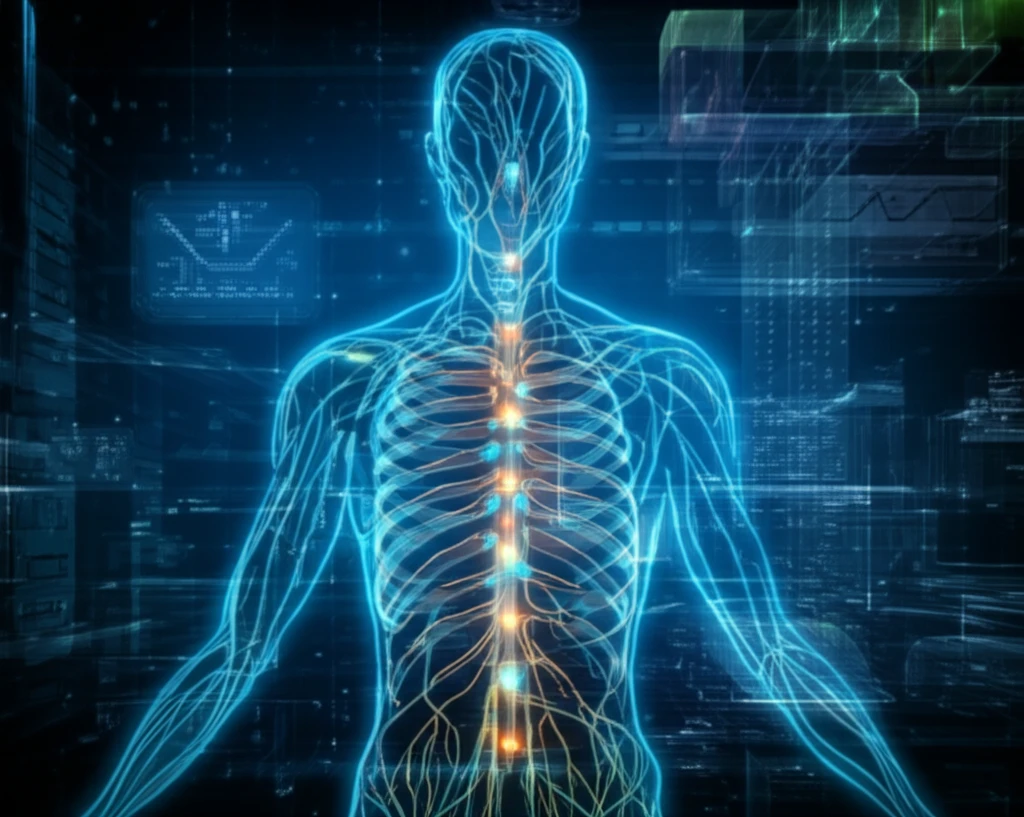
Rewiring the Nervous System: A User-Friendly Guide to Bioelectric Technologies

"Explore how cutting-edge bioelectric technologies are revolutionizing treatment for neurological conditions, offering new hope for restoring function and improving quality of life."
For many facing neurological challenges, the promise of restoring lost function or alleviating debilitating symptoms is a beacon of hope. While traditional approaches like physiotherapy and surgery aim to address these issues, they often fall short in achieving complete recovery. Enter bioelectric technologies, a rapidly evolving field that offers innovative ways to interface with the nervous system and potentially rewrite the script for those living with neurologic deficits.
Bioelectric technologies are already making a significant impact, offering solutions for a range of conditions from sleep apnea to chronic pain. Now, researchers are pushing the boundaries even further, exploring new ways to stimulate specific nerves and even tap into the central nervous system to restore movement and sensation. This article breaks down the complexities of these advancements, making them accessible to everyone.
We'll explore the key areas where bioelectric technologies are making waves: the end organs (like muscles), the peripheral nervous system, and the central nervous system. Whether you're seeking information for yourself or a loved one, or simply curious about the future of medicine, this guide provides a clear and engaging overview of this transformative field.
What is End-Organ Stimulation and How Can It Help?
End-organ stimulation is an exciting area within bioelectric technology that focuses on directly stimulating organs, such as muscles or even visceral organs, to improve their function. Imagine electrodes implanted in a muscle to augment its strength or control its movement! The beauty of this approach lies in its potential for precise control and targeted results. End-organ stimulation can work in two ways such as:
- Greater Signal Clarity: Signals recorded from end organs are significantly stronger than those from peripheral nerves, making input acquisition easier.
- Improved Biocompatibility: End organs often interface better with electrodes compared to delicate neural tissue, reducing the risk of damage.
- Accessibility: End organs are sometimes easier to reach surgically compared to associated nerves.
The Future is Electric
Bioelectric technologies offer a compelling vision for the future of neurological treatment. While challenges remain in optimizing these interfaces, mitigating the body's response to foreign materials, and developing user-friendly systems, the potential benefits are undeniable. By combining the expertise of engineers, industry professionals, and medical experts, we can accelerate the translation of these innovations into real-world solutions that improve the lives of countless individuals.