
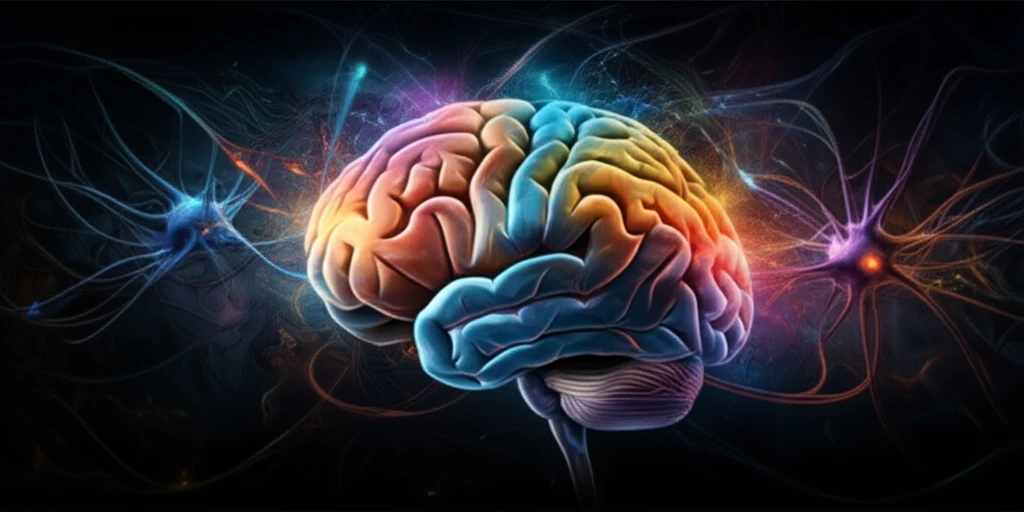
Brain Reimagined: Positive Imagery Rewiring the Mind

Rewire Your Brain: Can Positive Imagery Ease Crack Cravings?

"A new look at cognitive techniques offers hope for managing cravings in crack cocaine dependence."


In recent years, the use of crack cocaine has been on the rise, particularly among students and those seeking help at specialized clinics. This increase highlights the urgent need for effective strategies to combat addiction and support individuals on their journey to recovery. Crack cocaine's rapid effects and intense withdrawal symptoms make it a particularly challenging substance to overcome.

Craving, the intense desire for a substance, is a critical factor in addiction treatment. This craving involves a combination of physiological, cognitive, emotional, and behavioral components, often leading to relapse even after periods of abstinence. While medications have been explored, non-pharmacological approaches, especially those focusing on managing craving, remain essential.

Cognitive-behavioral therapy (CBT) has emerged as a leading psychotherapeutic approach for substance dependence. Within CBT, techniques aimed at managing craving are vital. One such technique, cognitive replacement using positive imagery (SIP), involves visualizing oneself enjoying the benefits of abstinence. This method helps to activate positive thoughts and feelings that can counteract the intense desire for the drug.

The Power of Positive Imagery: A Cognitive Technique for Craving Management

Brain Reimagined: Positive Imagery Rewiring the Mind

The cognitive model developed by Aaron Beck suggests that craving is triggered by various risk stimuli. These stimuli can be external (such as specific places or objects) or internal (like feelings of depression or well-being). These triggers activate core beliefs and addictive beliefs, leading to automatic thoughts that intensify craving. Physiological symptoms, such as anxiety, further reinforce these addictive beliefs, creating a cycle that often results in substance use.

Managing craving effectively requires a personalized approach tailored to each individual’s experience. Techniques within CBT aim to weaken addictive beliefs and strengthen an individual's sense of control. Coping skills are taught to help patients navigate and manage craving, drawing from successful strategies used for alcohol and nicotine dependence.

  • Cognitive Restructuring: Identifying and challenging negative thought patterns associated with craving.
  • Behavioral Techniques: Developing alternative behaviors to engage in when cravings arise, such as exercise or social activities.
  • Mindfulness Practices: Focusing on the present moment to reduce the intensity of cravings.
  • Social Support: Building a strong support network to provide encouragement and accountability.
Positive imagery, widely used by cognitive-behavioral therapists, involves visualizing oneself enjoying the benefits of abstinence. This technique helps individuals recognize the advantages of a drug-free life, strengthening their self-efficacy—the belief in their ability to manage cravings and avoid substance use. By focusing on positive outcomes, individuals can build resilience against relapse.

Hope and New Directions

Positive imagery is a straightforward therapeutic tool that can be easily understood and applied, making it valuable for healthcare professionals working with crack cocaine-dependent patients. This technique, when appropriately implemented, can enhance a patient's sense of self-efficacy and improve their ability to manage cravings, thus preventing relapse. Further research is needed to explore its full potential.

About this Article -

This article was crafted using a human-AI hybrid and collaborative approach. AI assisted our team with initial drafting, research insights, identifying key questions, and image generation. Our human editors guided topic selection, defined the angle, structured the content, ensured factual accuracy and relevance, refined the tone, and conducted thorough editing to deliver helpful, high-quality information.See our About page for more information.

Everything You Need To Know

1

What exactly is cognitive replacement using positive imagery (SIP), and how does it work to reduce cravings?

Cognitive replacement using positive imagery (SIP) is a technique within Cognitive-Behavioral Therapy (CBT) where individuals visualize themselves enjoying the benefits of abstinence. This process activates positive thoughts and feelings to counteract the intense desire for crack cocaine. By focusing on these positive images, individuals can weaken addictive beliefs and strengthen their self-efficacy, ultimately helping them to manage cravings and prevent relapse. It addresses the cognitive component of craving, which involves addictive beliefs and automatic thoughts triggered by risk stimuli.

2

What role do 'risk stimuli' play in triggering cravings, according to Aaron Beck's cognitive model?

According to Aaron Beck's cognitive model, risk stimuli—which can be external, such as specific places or objects, or internal, like feelings of depression or well-being—trigger cravings. These stimuli activate core beliefs and addictive beliefs, leading to automatic thoughts that intensify the craving for crack cocaine. Physiological symptoms, such as anxiety, can further reinforce these addictive beliefs, creating a cycle that often results in substance use. Understanding these triggers is essential in developing personalized strategies within Cognitive-Behavioral Therapy (CBT) to manage cravings effectively.

3

Besides positive imagery, what other Cognitive-Behavioral Therapy (CBT) techniques are used to manage crack cocaine cravings?

Besides positive imagery, other techniques within Cognitive-Behavioral Therapy (CBT) for managing cravings include cognitive restructuring, where negative thought patterns associated with craving are identified and challenged. Behavioral techniques are also employed to develop alternative behaviors to engage in when cravings arise, such as exercise or social activities. Mindfulness practices help individuals focus on the present moment to reduce the intensity of cravings. Additionally, building a strong social support network provides encouragement and accountability, all aimed at helping individuals control and navigate their cravings for crack cocaine.

4

How does positive imagery enhance a patient's sense of self-efficacy in the context of crack cocaine dependence?

Positive imagery enhances a patient's sense of self-efficacy by allowing them to visualize and recognize the advantages of a drug-free life. By focusing on positive outcomes and the benefits of abstinence, individuals strengthen their belief in their ability to manage cravings and avoid crack cocaine use. This boosted self-efficacy makes them more resilient against relapse, as they feel more confident in their capacity to overcome the challenges associated with addiction.

5

What are the long-term implications of using positive imagery as a therapeutic tool for individuals dependent on crack cocaine, and what further research is needed?

The long-term implications of using positive imagery as a therapeutic tool for individuals dependent on crack cocaine include potentially improved craving management, reduced relapse rates, and an enhanced sense of self-efficacy. However, further research is needed to explore its full potential, including its effectiveness across diverse populations, optimal implementation strategies, and integration with other therapeutic approaches within Cognitive-Behavioral Therapy (CBT). Additionally, longitudinal studies are needed to assess the sustained impact of positive imagery on long-term abstinence and overall recovery outcomes.

Newsletter Subscribe

Subscribe to get the latest articles and insights directly in your inbox.