
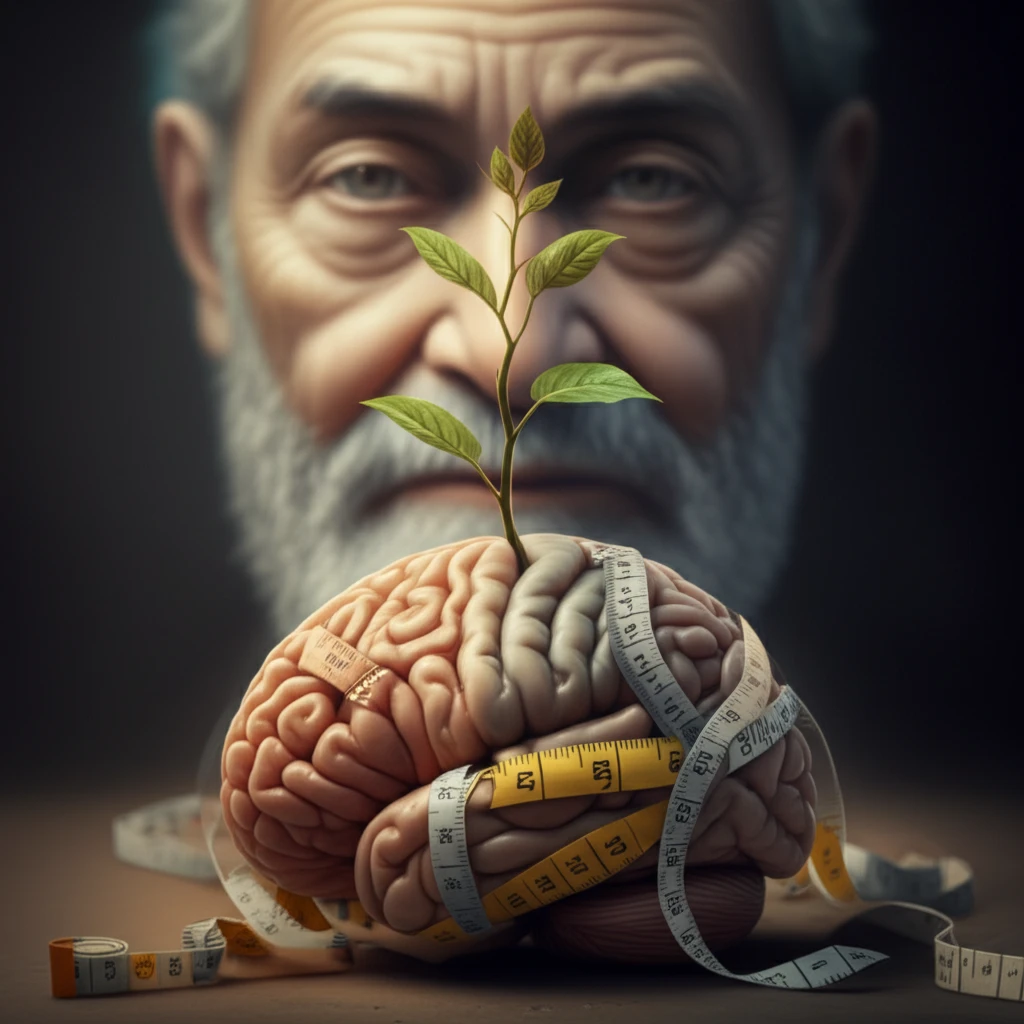
Brain tangled in measuring tape with a single plant growing upwards.

Rethinking Therapy: Are We Evaluating Mental Health Treatment the Right Way?

"Exploring ethical and scientific perspectives on psychotherapy evaluation to improve treatment outcomes."


Psychotherapy, in its myriad forms, is often a source of debate, torn between passionate advocacy and skeptical scrutiny. The pressure to demonstrate effectiveness comes from various sources, from individual needs to financial considerations. With hundreds of therapeutic approaches available, discussions arise about which methods work best and how we can scientifically evaluate them.

It's essential to consider both the therapeutic processes and their effects. Unfortunately, evaluations often rely on 'dominant' scientific criteria borrowed from different fields, which may not align with the unique nature of psychotherapy, particularly psychoanalysis. Therefore, we should debate and question assessment methods by examining their scientific basis and how well they match the subject of study.

Evaluation extends beyond numbers and metrics; it is integral to analysis and expectations in any therapeutic encounter. Whether seeking improvement, symptom reduction, or self-discovery, these goals involve both conscious and unconscious desires. The belief in a 'cure' reflects the method and technical approach rather than an ethical stance, encompassing functional and psychological dimensions. While direct symptom suppression may not be the goal, expecting improvement remains crucial.

The Inserm Report: A Call for Rethinking Evaluation?

Brain tangled in measuring tape with a single plant growing upwards.

In France, the conversation surrounding psychotherapy evaluation often begins with a critical look at the Inserm report (2004). It questioned established methods and championed randomized controlled trials (RCTs). While generating considerable criticism, the report sparked important discussions about the scientific basis for evaluating different psychotherapeutic approaches.

Before dissecting a study's methodology, its objectives must be considered. The Inserm report reviewed existing scientific literature based on the medical model rather than conducting its own evaluative protocol or meta-analysis. Commissioned by the Ministry of Health as part of the Mental Health Plan of 2001, the expert group aimed to address the effectiveness of various psychotherapies through international research.

  • The expert group categorized 16 psychiatric disorders using the DSM (Diagnostic and Statistical Manual of Mental Disorders) to evaluate which therapies were most effective.
  • The group concluded that cognitive-behavioral therapy was 'established' for 15 disorders, family therapy for 5, and psychoanalysis for only 1.
  • This conclusion was based on studies using specific criteria for scientific evidence.
However, it's important to ask whether the scientific criteria used in these evaluations are appropriate for psychotherapy. Applying the medical model, which focuses on isolated variables and measurable outcomes, may overlook the complex interplay of human relationships central to psychotherapeutic work.

Beyond Numbers: Toward a More Holistic Evaluation

The pursuit of scientific rigor in psychotherapy evaluation has led to a focus on objective metrics and standardized methodologies. However, this approach risks overlooking the human element at the heart of therapeutic practice.

A more comprehensive approach would acknowledge the subjective experiences of both therapist and patient, the nuances of the therapeutic relationship, and the broader contextual factors that influence treatment outcomes. It would seek to integrate quantitative data with qualitative insights, recognizing that numbers alone cannot capture the full complexity of the healing process.

Ultimately, rethinking psychotherapy evaluation requires a shift in perspective, one that values both scientific rigor and human understanding. By embracing a more holistic and nuanced approach, we can move closer to developing truly effective and ethical mental health treatments.

About this Article -

This article was crafted using a human-AI hybrid and collaborative approach. AI assisted our team with initial drafting, research insights, identifying key questions, and image generation. Our human editors guided topic selection, defined the angle, structured the content, ensured factual accuracy and relevance, refined the tone, and conducted thorough editing to deliver helpful, high-quality information.See our About page for more information.

This article is based on research published under:

DOI-LINK: 10.1016/j.inan.2018.07.014, Alternate LINK

Title: Évaluation, Psychothérapies Et Psychanalyse : Réflexions Et Perspectives Éthiques, Épistémologiques Et Scientifiques

Subject: General Medicine

Journal: In Analysis

Publisher: Elsevier BV

Authors: A. Blanc

Published: 2018-09-01

Everything You Need To Know

1

Why is it so difficult to evaluate psychotherapy effectively?

Psychotherapy evaluation is complex because it involves both the therapeutic processes and their effects. Evaluations risk relying on scientific criteria borrowed from other fields, which may not align with psychotherapy's unique nature, especially psychoanalysis. A suitable assessment method should match the subject of study and consider the human relationships central to psychotherapeutic work, rather than solely focusing on isolated variables and measurable outcomes as in the medical model.

2

What is the Inserm report and what was its main objective?

The Inserm report questioned established methods and championed randomized controlled trials (RCTs). It reviewed existing scientific literature based on the medical model to address the effectiveness of various psychotherapies through international research. The expert group categorized 16 psychiatric disorders using the DSM (Diagnostic and Statistical Manual of Mental Disorders) to evaluate the therapies that were most effective.

3

What specific conclusions did the Inserm report make regarding different types of therapy?

According to the Inserm report, cognitive-behavioral therapy was 'established' for 15 disorders, family therapy for 5, and psychoanalysis for only 1. These conclusions were based on studies using specific criteria for scientific evidence. However, the appropriateness of these scientific criteria for psychotherapy remains a point of contention, as applying the medical model may overlook the complex interplay of human relationships central to psychotherapeutic work.

4

How does focusing solely on objective metrics potentially undermine the evaluation of psychotherapy?

While the pursuit of scientific rigor in psychotherapy evaluation has led to a focus on objective metrics and standardized methodologies, such as those used in randomized controlled trials (RCTs), this approach risks overlooking the human element at the heart of therapeutic practice. It's crucial to consider that evaluation extends beyond numbers and metrics; it is integral to analysis and expectations in any therapeutic encounter, encompassing both conscious and unconscious desires.

5

What role does the concept of a 'cure' play in psychotherapy, and how does it relate to evaluation methods like those discussed in the Inserm report?

The belief in a 'cure' in psychotherapy reflects the method and technical approach rather than an ethical stance, encompassing functional and psychological dimensions. While direct symptom suppression may not always be the goal, expecting improvement remains crucial. The Inserm report sparked important discussions about the scientific basis for evaluating different psychotherapeutic approaches, questioning whether the medical model and its focus on isolated variables are entirely appropriate for understanding the complexities of human relationships in therapy.

Newsletter Subscribe

Subscribe to get the latest articles and insights directly in your inbox.