
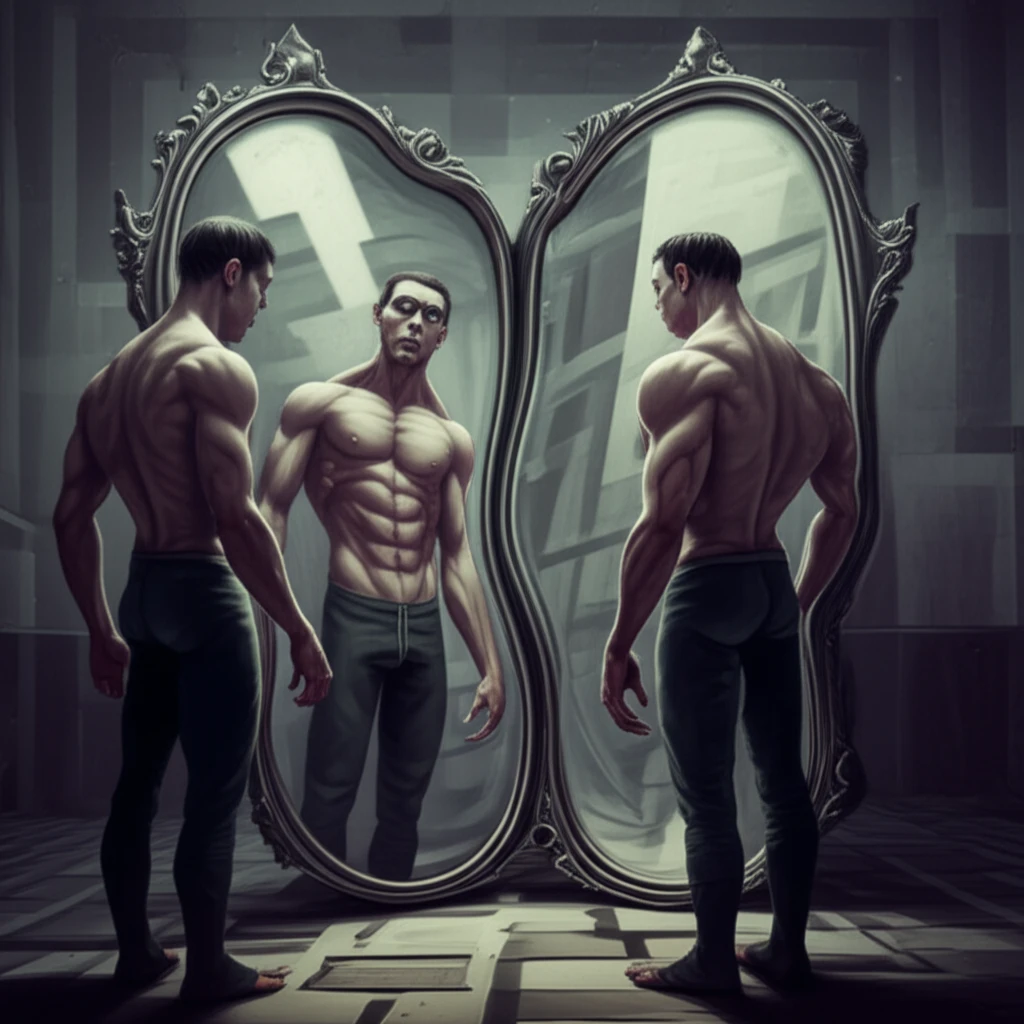
Distorted reflection of body image in a maze-like background, symbolizing the complexities of eating disorders in men.

Rethinking Eating Disorder Treatment: How to Better Support Men

"Experts weigh in on the unique challenges men face in eating disorder recovery and how treatment approaches can adapt to improve outcomes."


For many years, eating disorders have been seen primarily as affecting young women. However, research now highlights a significant rise in the number of men affected. These men often have unique challenges and needs that are not always addressed by standard treatment models.

Eating disorders in men are not only more common than previously thought but also present differently. Men are more likely to focus on muscularity, have a history of being overweight, and struggle with expressing emotions. This necessitates a closer look at current treatment strategies to ensure they effectively meet the needs of male patients.

Recognizing these differences is crucial for creating more inclusive and effective treatment environments. This article explores how clinicians are adapting their approaches to better support men in their journey to recovery from eating disorders, drawing upon a recent study published in BMJ Open.

Understanding the Unique Challenges Men Face with Eating Disorders

Distorted reflection of body image in a maze-like background, symbolizing the complexities of eating disorders in men.

A significant finding is that men often experience unique challenges that differ from those typically seen in women with eating disorders. These include:

These differences are not merely superficial; they delve into how men perceive their bodies and societal expectations. The pressure to be muscular, coupled with difficulties in expressing emotions, creates a complex landscape that requires tailored therapeutic approaches.

  • Focus on Muscularity: Men tend to be driven more by a desire for a muscular physique than by a desire for thinness.
  • Emotional Expression: Many men find it challenging to discuss or express their emotions, which can hinder progress in traditional therapy settings.
  • Performance-Based Approach: Men may approach treatment with a focus on performance, attempting to 'eat their way out' of the disorder without addressing the underlying emotional issues.
These unique challenges highlight the importance of recognizing and addressing the specific needs of men in eating disorder treatment. While the core principles of treatment remain the same, adaptations may be necessary to ensure effectiveness.

The Path Forward: Tailoring Treatment and Creating Supportive Environments

While the journey to understanding and treating eating disorders in men is ongoing, significant strides are being made. By recognizing unique challenges, adapting treatment approaches, and creating supportive environments, clinicians can better meet the needs of male patients and promote lasting recovery.

About this Article -

This article was crafted using a human-AI hybrid and collaborative approach. AI assisted our team with initial drafting, research insights, identifying key questions, and image generation. Our human editors guided topic selection, defined the angle, structured the content, ensured factual accuracy and relevance, refined the tone, and conducted thorough editing to deliver helpful, high-quality information.See our About page for more information.

This article is based on research published under:

DOI-LINK: 10.1136/bmjopen-2018-021934, Alternate LINK

Title: Clinicians’ Views On Treatment Adaptations For Men With Eating Disorders: A Qualitative Study

Subject: General Medicine

Journal: BMJ Open

Publisher: BMJ

Authors: Emma Kinnaird, Caroline Norton, Kate Tchanturia

Published: 2018-08-01

Everything You Need To Know

1

What are the key differences in eating disorders between men and women?

Men with eating disorders often exhibit a greater focus on muscularity compared to women, who may prioritize thinness. Men frequently struggle with emotional expression, which can impede progress in traditional therapy settings. Additionally, men may adopt a performance-based approach to treatment, attempting to 'eat their way out' of the disorder without addressing underlying emotional issues. These differences necessitate tailored treatment approaches to effectively address the specific needs of male patients.

2

How does the focus on muscularity impact eating disorder treatment for men?

The emphasis on muscularity in men, as opposed to thinness, presents a unique challenge in treatment. Men may be driven by a desire for a muscular physique, which can manifest as disordered eating behaviors. Clinicians must recognize this and address it within the treatment plan. Traditional treatments may not be as effective without considering the patient's goals related to body image and incorporating strategies to manage this specific aspect of the disorder.

3

Why is emotional expression a significant challenge for men in eating disorder recovery?

Difficulty in expressing emotions can significantly hinder recovery for men. This challenge can affect progress in therapy, as men may struggle to openly discuss their feelings. The inability to address underlying emotional issues can lead to relapse. Tailored therapeutic approaches that prioritize emotional expression and provide a safe space for men to explore their feelings are essential for effective treatment.

4

What are the implications of a performance-based approach to eating disorder treatment in men?

A performance-based approach, where men attempt to 'eat their way out' of the disorder, may appear focused on recovery but often fails to address the core emotional issues. This can lead to unsustainable behaviors and a high risk of relapse. Clinicians must help men recognize the underlying emotional triggers and develop strategies to manage them. The aim is to shift the focus from performance to overall emotional well-being.

5

How can treatment approaches be adapted to better support men in eating disorder recovery?

To better support men, treatment needs to be adapted to address their unique challenges. This includes acknowledging the focus on muscularity and integrating strategies to manage body image issues. Therapies must facilitate emotional expression, creating a safe and supportive environment for men to discuss their feelings. Clinicians should also help men move beyond a performance-based approach by addressing underlying emotional issues and promoting overall emotional well-being. These adaptations will lead to more effective and inclusive treatment environments.

Newsletter Subscribe

Subscribe to get the latest articles and insights directly in your inbox.