
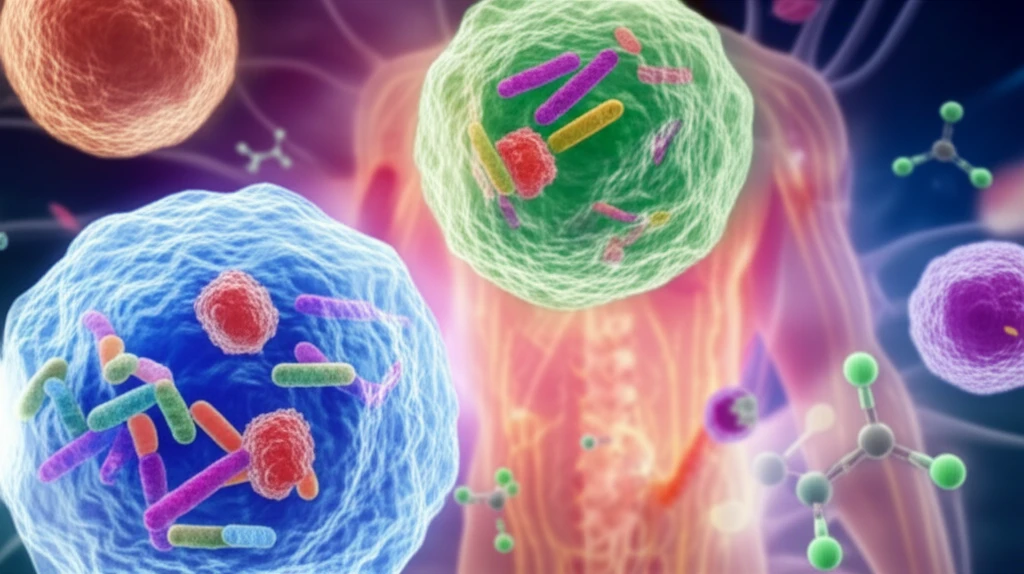
Rethinking Antibiotics: Can Our Body's Defenses Fight Infections Better?

"A new perspective on how phagocytes and antibiotics work together could change the way we treat common infections."
For many common infections, antibiotics are used to lessen discomfort rather than save lives, as the body's immune system often resolves the infection on its own. However, research and treatment strategies often overlook the significant role of natural defenses, such as phagocytosis, focusing primarily on antibiotics.
A recent study in Trends in Microbiology challenges this antibiotic-centered approach. It suggests that for acute, self-limiting infections—those the body can typically handle—optimizing our natural immune responses could be as important, or even more so, than relying solely on antibiotics. This could mean rethinking how we use these drugs, potentially leading to lower doses and reduced resistance.
This article will dive into the study's findings, exploring how a balanced approach that considers both antibiotics and the body's defenses could revolutionize the treatment of common bacterial infections.
The Overlooked Power of Our Internal Defenses
While the threat of antibiotic resistance is a serious concern, particularly for life-threatening infections in hospitals, it's crucial to remember that a significant portion of antibiotic use occurs in the community. These are often for infections that the body is capable of resolving on its own.
- Different Antibiotics, Similar Outcomes: When phagocytosis is highly effective, the study suggests that different types of antibiotics (bactericidal vs. bacteriostatic) might achieve similar results.
- Lower Doses, Equal Impact: In many cases, lower doses of antibiotics could be as effective as higher doses.
- Resistance Less Likely: Neither temporary (phenotypic) nor inherited antibiotic resistance is likely to cause treatment failure when phagocytosis is robust.
Toward Smarter Antibiotic Use
The study's model highlights the potential for a more nuanced approach to antibiotic therapy. By acknowledging and harnessing the power of the body's natural defenses, we can potentially reduce our reliance on antibiotics, minimizing the risk of resistance and side effects.
This isn't about abandoning antibiotics altogether, but rather using them more strategically. For self-limiting infections in healthy individuals, a focus on supporting the immune system might be just as effective as a heavy dose of antibiotics.
Further research is needed to refine our understanding of the interplay between antibiotics and the immune system. Studies involving animal models and human clinical trials can help determine the optimal strategies for treating various infections while minimizing the development of antibiotic resistance.