
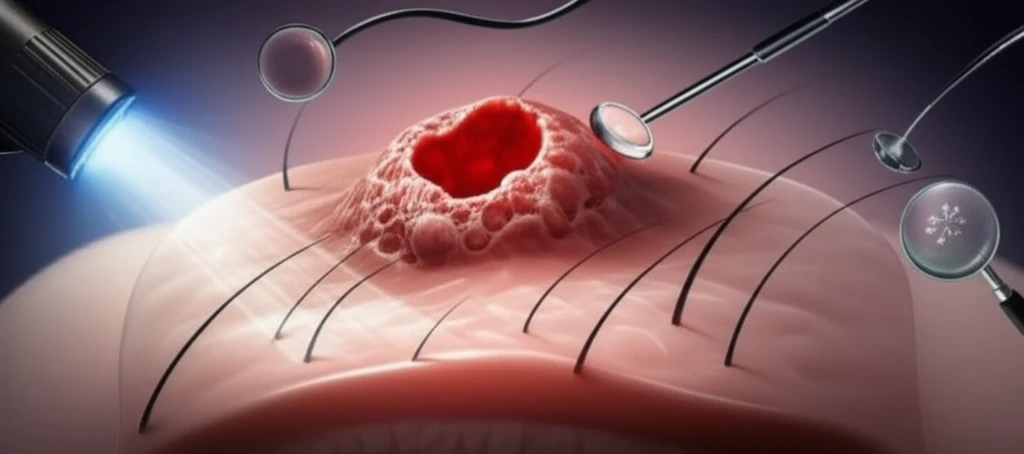
Red Scalp Lesions: Understanding and Addressing Crateriform Tumors

"A Comprehensive Guide to Identifying, Treating, and Preventing Red Crateriform Tumors on the Scalp"
Scalp health is a critical component of overall well-being, often overlooked until a problem arises. Among the various dermatological concerns affecting the scalp, red crateriform tumors can be particularly alarming. These lesions, characterized by their distinct crater-like appearance and reddish hue, necessitate prompt evaluation and appropriate management.
This article delves into the intricacies of red crateriform tumors on the scalp, providing a detailed overview of their clinical presentation, diagnostic workup, and therapeutic strategies. Understanding the nature of these tumors is crucial for early detection and effective intervention, ultimately promoting better outcomes for affected individuals.
Whether you're a healthcare professional seeking to enhance your diagnostic acumen or an individual concerned about a suspicious scalp lesion, this guide aims to equip you with the knowledge necessary to navigate the complexities of red crateriform tumors. We will explore the key features of these tumors, differentiate them from other similar conditions, and discuss the latest advancements in treatment and prevention.
What Are Red Crateriform Tumors?
Red crateriform tumors on the scalp are characterized by their distinctive appearance: a central depression or crater surrounded by raised edges. The color is typically reddish, which indicates inflammation or increased vascularity. These tumors can vary in size, ranging from a few millimeters to several centimeters in diameter. Texture and consistency may also vary, from soft and pliable to firm and indurated.
- Squamous Cell Carcinoma (SCC): A common type of skin cancer that can present as a crateriform lesion, often with a scaly or ulcerated surface.
- Keratoacanthoma (KA): A benign but rapidly growing tumor that resembles SCC. KAs typically resolve on their own but may require treatment to prevent complications.
- Basal Cell Carcinoma (BCC): Although less common as a crateriform lesion, BCC can sometimes exhibit a central depression with raised borders.
- Leiomyosarcoma (LMS):A rare type of soft tissue sarcoma that can occur on the scalp. It presents as a rapidly growing nodule or tumor.
- Infections: Bacterial or fungal infections can lead to inflamed lesions with a crater-like appearance.
Taking Control of Your Scalp Health
Addressing red crateriform tumors on the scalp requires a multifaceted approach, combining accurate diagnosis, targeted treatment, and proactive preventive measures. By staying informed and vigilant, you can take control of your scalp health and minimize the risk of developing these concerning lesions. Regular self-exams, coupled with professional dermatological evaluations, are key to early detection and timely intervention.