
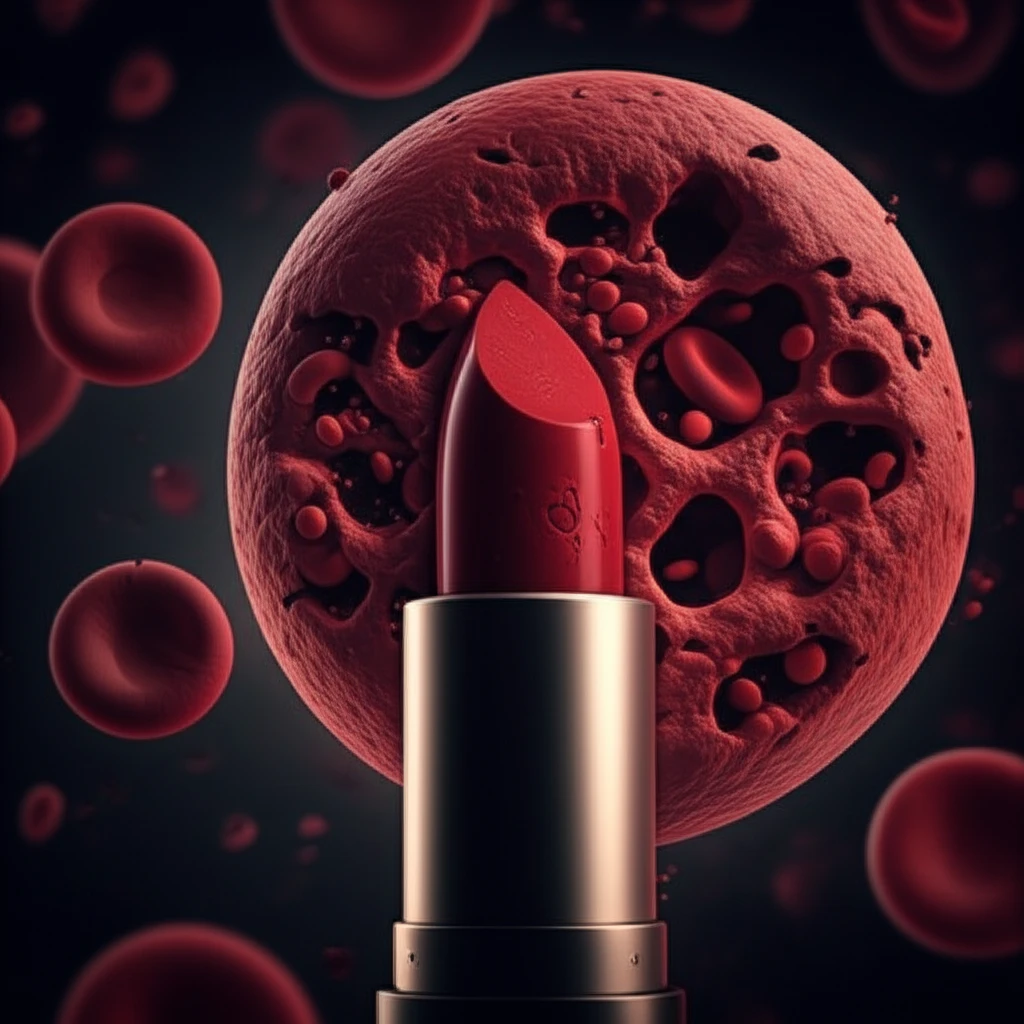
Damaged red blood cells combined with beauty product showing toxic relationship

Red Blood Cell Alert: Are Your Beauty Products Toxic?

"New research reveals the potential dangers of organotin compounds in everyday products, urging consumers to rethink their choices for safer beauty."


Metal complexes, including organotin compounds, are everywhere. They're crucial in agriculture and show promise in medicine. But recent findings suggest some organotin compounds, used in everyday products, could be hazardous to our health. Specifically, tributyltin (TBTA) and triphenyltin (TPhTA) have caught the attention of researchers due to their potential impact on red blood cells.

These compounds have demonstrated anticancer activity, but at what cost? Scientists are now investigating how TBTA and TPhTA interact with our cells, especially red blood cells, which are vital for oxygen transport and overall health. The key question: Are the benefits worth the risks?

This article unpacks the groundbreaking research on TBTA and TPhTA. You'll discover how these compounds affect red blood cells, what this means for your health, and how to make smarter choices about the products you use every day. Learn to protect your well-being by understanding the hidden dangers in common household items.

The Dark Side of Organotin: How It Harms Your Red Blood Cells

Damaged red blood cells combined with beauty product showing toxic relationship

Scientists have been examining the impact of TBTA and TPhTA on red blood cells using advanced techniques. The goal? To understand exactly how these compounds mess with our cells at a microscopic level. The results are alarming.

Here's what the research reveals about the toxic effects of organotin compounds:

  • Hemolysis: Higher concentrations of TBTA and TPhTA can cause hemolysis, which is the rupture of red blood cells. This means the cells can no longer do their job of carrying oxygen effectively. TBTA is found to be more toxic compared to TPhTA.
  • Morphological Alterations: Both TBTA and TPhTA can change the shape of red blood cells, turning them from their normal disc shape into less functional forms.
  • Membrane Damage: These compounds interact with the cell membrane, altering its properties and potentially embedding themselves within it. This disrupts the membrane's function and overall cell health.
These changes at the cellular level have significant implications. Damaged red blood cells can lead to anemia, fatigue, and a host of other health issues. Understanding these risks is the first step towards making safer choices.

Protecting Yourself: Smart Choices for a Healthier You

The research is clear: organotin compounds can be harmful to red blood cells. By understanding the risks, you can take proactive steps to protect your health and make more informed purchasing decisions.

Here are some actions you can take today: <b>Read Labels:</b> Be aware of the ingredients in your beauty and personal care products. Look for alternatives to products containing TBTA and TPhTA. <b>Choose Natural:</b> Opt for products with natural, non-toxic ingredients whenever possible. <b>Stay Informed:</b> Follow scientific research and health advisories to stay up-to-date on potential toxins in everyday products.

Your health is your most valuable asset. By being mindful of the products you use and staying informed about potential risks, you can safeguard your well-being and promote a healthier future.

About this Article -

This article was crafted using a human-AI hybrid and collaborative approach. AI assisted our team with initial drafting, research insights, identifying key questions, and image generation. Our human editors guided topic selection, defined the angle, structured the content, ensured factual accuracy and relevance, refined the tone, and conducted thorough editing to deliver helpful, high-quality information.See our About page for more information.

This article is based on research published under:

DOI-LINK: 10.1007/s00232-018-0051-x, Alternate LINK

Title: An In Vitro Study Of The Effect Of Cytotoxic Triorganotin Dimethylaminophenylazobenzoate Complexes On Red Blood Cells

Subject: Cell Biology

Journal: The Journal of Membrane Biology

Publisher: Springer Science and Business Media LLC

Authors: Hanna Pruchnik, Aleksandra Włoch, Dorota Bonarska-Kujawa, Halina Kleszczyńska

Published: 2018-10-22

Everything You Need To Know

1

What are the primary dangers of organotin compounds to red blood cells?

Organotin compounds, specifically Tributyltin (TBTA) and Triphenyltin (TPhTA), pose significant risks to red blood cells. These compounds are found in various products and can lead to hemolysis, where red blood cells rupture, preventing them from carrying oxygen effectively. Additionally, both TBTA and TPhTA can alter the shape of red blood cells, reducing their functionality. These changes can result in anemia, fatigue, and other health problems, emphasizing the need for safer product choices.

2

What is the difference in toxicity between TBTA and TPhTA?

The key issue highlighted is that the TBTA is found to be more toxic compared to TPhTA. This indicates that even within the category of organotin compounds, there are variations in toxicity levels. The higher toxicity of TBTA means that it can cause more severe damage to red blood cells, which increases the potential for health risks, such as anemia and fatigue. The research emphasizes the importance of understanding these differences when assessing the safety of products containing organotin compounds.

3

What is meant by hemolysis, and why is it a concern?

The term "hemolysis" refers to the rupture of red blood cells. When TBTA and TPhTA cause hemolysis, these cells can no longer carry oxygen efficiently throughout the body. This is a critical function of red blood cells, and its disruption can lead to serious health issues. Anemia and fatigue are common consequences because the body's oxygen supply is compromised. Understanding hemolysis is crucial for understanding the impact of organotin compounds on overall health.

4

How do TBTA and TPhTA affect the shape and membranes of red blood cells?

The shape changes and membrane damage caused by TBTA and TPhTA impair the ability of red blood cells to function correctly. These alterations prevent the cells from effectively carrying oxygen, which is essential for the body's energy production and overall health. Morphological changes include the transformation of red blood cells from their normal disc shape into less functional forms. Membrane damage further compromises the cell's ability to function correctly, potentially leading to a range of health problems. These changes significantly impact the cells' ability to deliver oxygen.

5

Why is this research on organotin compounds important?

The research on organotin compounds, TBTA and TPhTA, is important because it alerts consumers to potential dangers in everyday products. The findings highlight that products containing these compounds can be harmful to red blood cells. The research underscores the importance of being aware of the ingredients in products we use regularly. By understanding these risks, individuals can make more informed choices, potentially reducing their exposure to harmful substances and safeguarding their health.

Newsletter Subscribe

Subscribe to get the latest articles and insights directly in your inbox.