
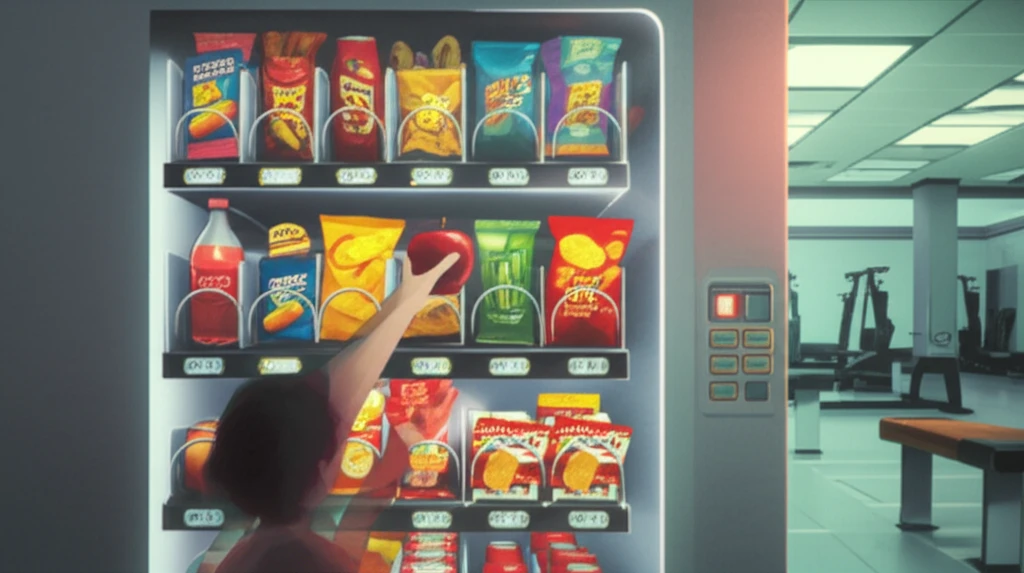
Recreation Facilities: Are They Fueling Unhealthy Eating Habits?

"A look at how recreational food environments influence our choices and what can be done to promote healthier options."
In today's fast-paced world, recreational facilities (RFs) are more than just places to exercise; they're community hubs where habits are formed and choices are made. Amidst the drive for healthier lifestyles, these facilities often present a paradox: environments promoting physical activity but abundant with unhealthy food options. This reality raises a critical question: Are recreation facilities inadvertently contributing to the rise in overweight and obesity rates?
The connection between physical activity and nutritious food is undeniable. Yet, the typical offerings at RF snack bars and vending machines frequently miss the mark, laden with processed snacks and sugary drinks. Understanding the perspectives of both facility operators and patrons is the first step in reshaping these environments to support, rather than undermine, health goals.
This article delves into a comprehensive study exploring the food choices available at recreation facilities, examining the attitudes and preferences of both operators and patrons. By understanding the factors that influence these choices, we can pave the way for healthier, more supportive recreational spaces for individuals and communities alike.
Decoding Food Choices: What Influences Patrons and Operators?
A study published in the Canadian Journal of Dietetic Practice and Research explored the perspectives of recreation facility (RF) patrons and operators on food choices available at these facilities. The study aimed to assess patron satisfaction, purchasing preferences, and openness to healthier alternatives, while also gauging operators' receptiveness to providing healthy options and their perceptions of feasibility.
- Patron Satisfaction: Just over half (52.2%) of patrons were satisfied with the food choices at RFs.
- Purchasing Habits: A significant portion of patrons reported not purchasing food or beverages from the snack bar (59.2%) or vending machines (68.8%).
- Reasons for Dissatisfaction: Those dissatisfied cited an abundance of unhealthy choices, poor food quality and variety, and high prices.
- Operator Perspectives: All operators expressed interest in offering healthier options but were concerned about the potential for poor sales. They emphasized the importance of understanding what patrons would actually purchase.
Bridging the Gap: Steps Toward Healthier Recreation Facilities
The study's findings underscore the need for a multi-faceted approach to transform food environments in recreation facilities. This includes educating patrons about healthy choices, working with operators to develop appealing and affordable healthy options, and implementing supportive policies that prioritize nutrition. By fostering collaboration and innovation, recreation facilities can become powerful allies in the pursuit of healthier lifestyles for all.