
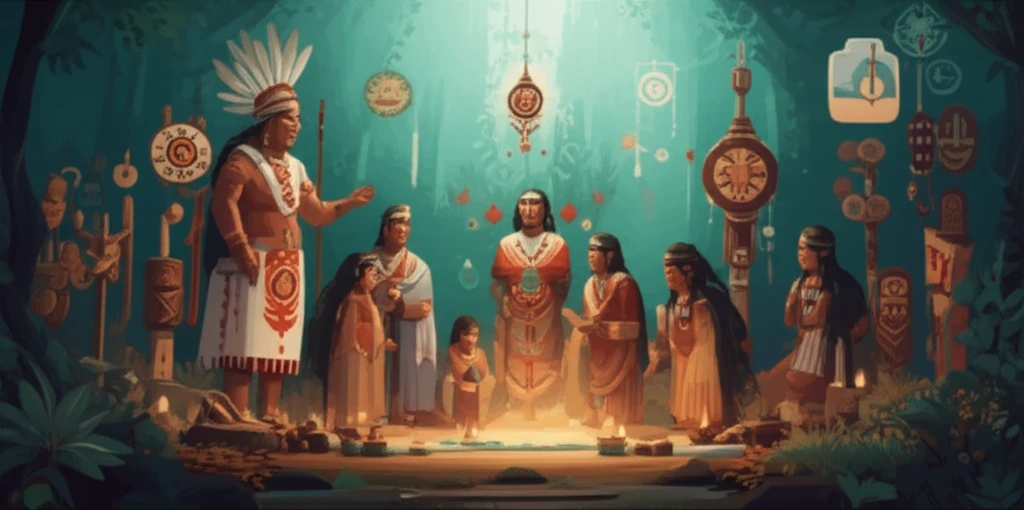
Reclaiming Roots: How Indigenous Practices are Revolutionizing Healthcare

"Discover the resurgence of indigenous healing traditions and their profound impact on modern health and wellness. This is how cultural practices are changing the face of healthcare."
For centuries, colonialism has cast a long shadow over indigenous communities, eroding their cultural identities and healthcare practices. The suppression of traditional medicine and cultural rituals has led to significant health disparities and a disconnect from ancestral knowledge. But now, a powerful movement is underway: indigenous communities are reclaiming their heritage and revolutionizing healthcare from the ground up.
This isn't just about reviving old traditions; it's about integrating them into modern healthcare systems to create a more holistic and culturally sensitive approach. From traditional healing ceremonies to the use of medicinal plants, indigenous practices offer unique insights into the interconnectedness of physical, mental, and spiritual well-being. The study delves into how these communities are redefining health on their own terms by focusing on the Muisca people of Cota, Colombia, as an example.
This article explores this transformative journey, highlighting the ways in which indigenous communities are challenging colonial legacies, revitalizing their cultural practices, and asserting their right to health and self-determination. Join us as we delve into the heart of this cultural resurgence and uncover the profound implications for healthcare and community wellness.
What is the impact of Colonialism and Cultural Violence on Indigenous Health?
Colonialism brought more than just political and economic domination; it unleashed cultural violence that systematically undermined indigenous ways of life. Traditional healing practices, deeply rooted in cultural and spiritual beliefs, were often dismissed as primitive or even dangerous.
- Loss of Traditional Knowledge: The suppression of indigenous languages, ceremonies, and healing practices led to a decline in the transmission of ancestral knowledge.
- Erosion of Cultural Identity: Forced assimilation policies and the imposition of Western values undermined indigenous cultural identity, leading to a sense of displacement and disconnection.
- Increased Reliance on Western Medicine: The dismissal of traditional medicine as unscientific led to increased reliance on Western healthcare systems, which often failed to address the unique needs and cultural context of indigenous communities.
- Exacerbation of Health Disparities: The combination of cultural violence, loss of traditional knowledge, and inadequate healthcare access contributed to significant health disparities between indigenous and non-indigenous populations.
What's Next in the Re-Emergence of Indigenous Healthcare?
The re-emergence of indigenous healthcare practices represents a paradigm shift in our understanding of health and wellness. By reclaiming their cultural heritage and integrating traditional knowledge with modern medicine, indigenous communities are paving the way for a more holistic, culturally sensitive, and equitable healthcare system for all. It's a journey of healing, empowerment, and cultural revitalization that promises to transform the well-being of individuals and communities alike.