
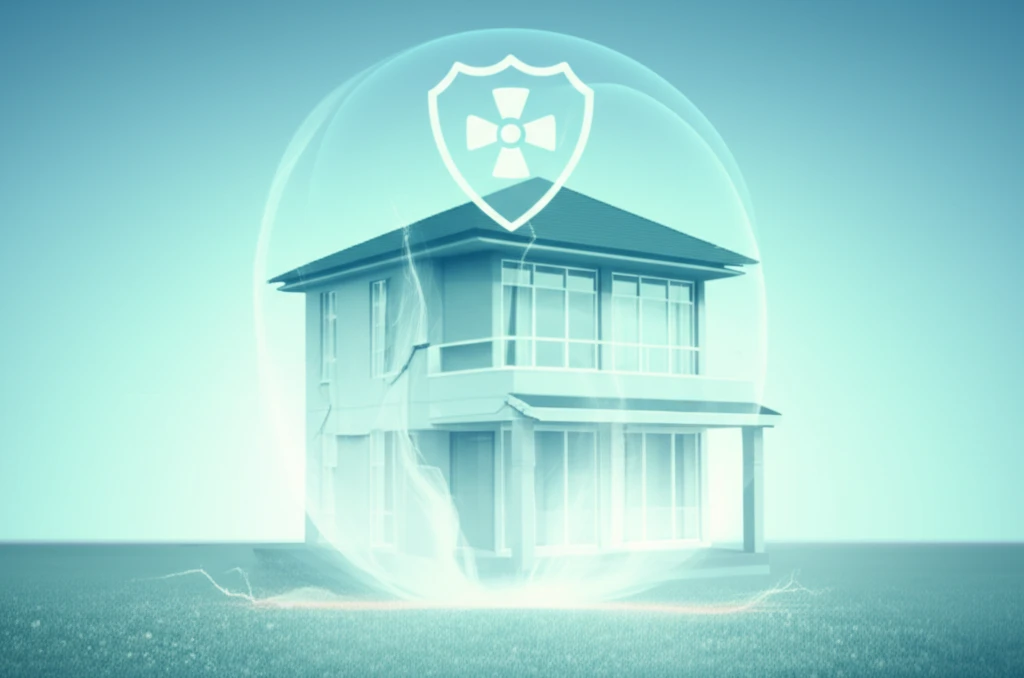
Radon Exposure: Unveiling the Hidden Risks and What You Need to Know

"Beyond the Headlines: A Deep Dive into Radon, Its Dangers, and How to Protect Yourself and Your Loved Ones."
You've probably heard of it, maybe even dismissed it as something that only affects 'other people'. But radon, an invisible, odorless gas, is a silent threat present in homes across the globe, and understanding its risks is more crucial than ever. It's the leading cause of lung cancer for non-smokers, and a significant health risk for everyone. This article is designed to empower you with knowledge, dispelling myths, and equipping you with actionable steps to safeguard your health and well-being.
Radon is not a new discovery. It's a naturally occurring radioactive gas that comes from the breakdown of uranium in soil, rock, and water. It seeps into buildings through cracks in foundations, gaps around pipes, and other openings. Once inside, it can accumulate to dangerous levels, posing a significant health hazard. According to the United States Environmental Protection Agency (EPA), radon is responsible for approximately 21,000 lung cancer deaths each year.
This isn't meant to scare you; it's about informing you. We'll explore the science behind radon, the populations most at risk, the best ways to test for it, and the simple, effective measures you can take to mitigate the risks. Let's take a closer look at how you can protect your health and that of your loved ones.
Understanding Radon: The Science Behind the Invisible Threat
Radon is a noble gas, meaning it doesn't readily react with other elements. It's also radioactive, constantly emitting tiny particles as it decays. When inhaled, these radioactive particles can damage the cells lining the lungs, increasing the risk of lung cancer. The amount of radon in a home varies greatly depending on the geology of the area, the construction of the house, and how well it's ventilated.
- Geological Factors: The presence of uranium in the soil and rocks beneath your home is the primary source of radon.
- Building Construction: Cracks in foundations, gaps around pipes, and unsealed crawl spaces can allow radon to enter.
- Ventilation: Poorly ventilated homes allow radon to accumulate, increasing the risk of exposure.
- Exposure Time: The longer you're exposed to high radon levels, the greater your risk.
Empowering Your Health: Taking Action Against Radon
Knowledge is your first line of defense against radon. By understanding the risks, testing your home, and taking the necessary steps to mitigate high levels, you can protect yourself and your family from this silent threat. Don't wait; take action today and breathe easier knowing you've taken control of your health and safety. If you have any questions, please consult the resources we have provided in this article. Stay safe, stay informed, and breathe easy.