
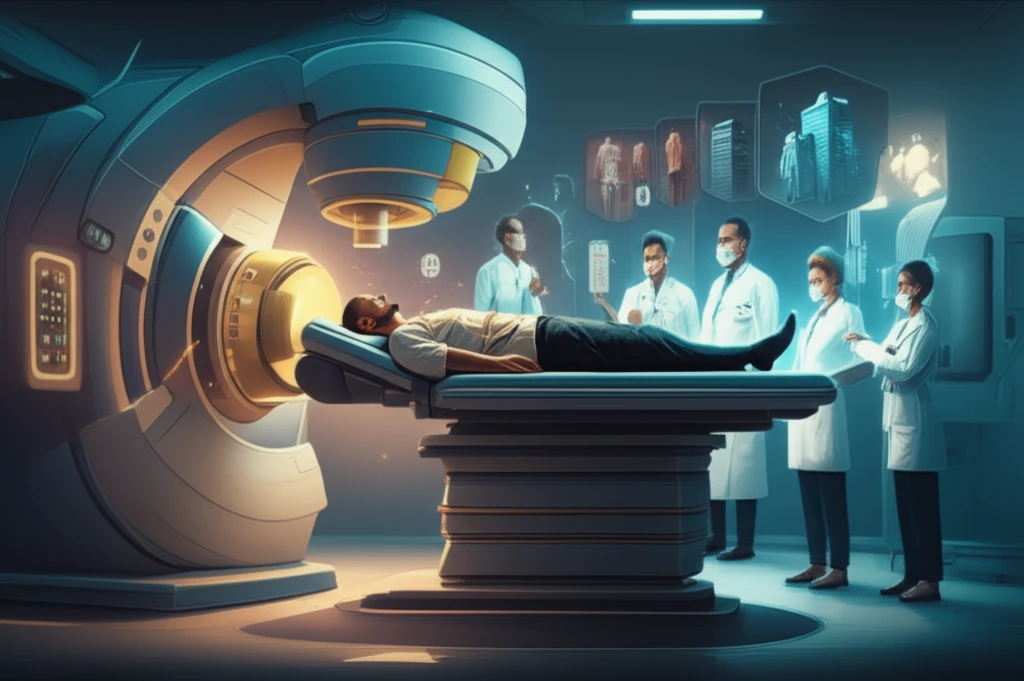
Illustration of a patient undergoing radiation therapy with related health considerations.

Radiation Therapy's Hidden Challenges: How Weight Loss, Breaks, and Hospital Stays Impact Your Care

"Unveiling the complexities of radiation oncology: Understanding patient journeys, treatment hurdles, and the critical role of proactive care."


Radiation therapy, a cornerstone in cancer treatment, offers hope and healing to countless individuals. However, the journey through radiation oncology can be complex, marked by physical and emotional challenges. This article delves into the less-discussed aspects of this treatment, focusing on how patient hospitalizations, treatment breaks, and weight loss can impact the overall experience and outcomes.

Behind every successful radiation therapy case lies a team of dedicated healthcare professionals striving to provide the best possible care. But what happens when unexpected challenges arise? This article explores the experiences of patients receiving radiation therapy, shedding light on the obstacles they face and the proactive steps being taken to improve their care.

By understanding the intricate interplay of factors such as treatment breaks, hospitalizations, and weight changes, we can better support patients undergoing radiation therapy. This article seeks to provide a comprehensive overview of these challenges, offering insights into the impact of these factors on patient journeys, treatment efficacy, and overall well-being.

Navigating the Complexities: Understanding Patient Outcomes in Radiation Oncology

Illustration of a patient undergoing radiation therapy with related health considerations.

A recent study highlights the importance of monitoring patient outcomes during radiation therapy. The study, which analyzed data from a departmental quality improvement program, found that several factors significantly influenced patient experiences. These included the occurrence of hospitalizations, treatment breaks, and noticeable weight loss.

Hospitalizations during radiation therapy often signal a more complex set of challenges. These may range from managing treatment-related side effects to addressing co-existing health conditions. Treatment breaks, defined as interruptions in the planned course of radiation, can also affect the effectiveness of the therapy. When radiation is paused or delayed, it can impact the overall outcome of the treatment.

  • Treatment Breaks: Interruptions of three or more days.
  • Hospitalization: Either during treatment or within two weeks of completion.
  • Weight Loss: A decrease of 10% or more of body weight.
Weight loss, a frequently observed side effect of radiation therapy, warrants careful attention. It can indicate the body's difficulty in coping with treatment or the onset of other complications. By understanding the impact of these factors, healthcare providers can better tailor their approach to meet the needs of patients receiving radiation therapy.

Empowering the Future of Radiation Oncology: Prioritizing Patient-Centered Care

By acknowledging the complexities of radiation therapy, we can empower patients to navigate their treatment journeys with greater confidence. Through ongoing research, improved monitoring techniques, and a commitment to patient-centered care, we can enhance treatment outcomes and support the well-being of individuals facing cancer. This is a collective effort that demands the dedication of healthcare professionals, researchers, and patients alike.

About this Article -

This article was crafted using a human-AI hybrid and collaborative approach. AI assisted our team with initial drafting, research insights, identifying key questions, and image generation. Our human editors guided topic selection, defined the angle, structured the content, ensured factual accuracy and relevance, refined the tone, and conducted thorough editing to deliver helpful, high-quality information.See our About page for more information.

This article is based on research published under:

DOI-LINK: 10.1186/s13014-018-1111-1, Alternate LINK

Title: Quality Improvement Program In Radiation Oncology: Understanding Patient Hospitalizations, Treatment Breaks, And Weight Loss In Patients Receiving Radiotherapy

Subject: Radiology, Nuclear Medicine and imaging

Journal: Radiation Oncology

Publisher: Springer Science and Business Media LLC

Authors: Varun Chowdhry, Pamela Jangro, Saveli Goldberg, Nolan Gagne, Shelley Chabot, Gary Proulx, Cocav Rauwerdink

Published: 2018-08-29

Everything You Need To Know

1

What are some unexpected challenges that can arise during radiation therapy?

Unexpected challenges during radiation therapy can include patient hospitalizations, treatment breaks, and significant weight loss. These factors can influence the overall patient experience and the effectiveness of the treatment. Hospitalizations may be needed to manage treatment-related side effects or co-existing health conditions, while treatment breaks can impact the planned course of radiation. Noticeable weight loss may indicate difficulties in coping with the treatment or other complications.

2

How do treatment breaks affect the effectiveness of radiation therapy?

Treatment breaks, specifically interruptions of three or more days in the planned course of radiation, can negatively impact the overall outcome of radiation therapy. When radiation is paused or delayed, it can affect the therapy's ability to effectively target and eliminate cancer cells. Consistency in treatment is vital for optimal results in radiation oncology. Additional factors, such as the reason for the treatment break and the overall health of the patient can affect radiation therapy.

3

Why is weight loss a concern during radiation therapy?

Weight loss, defined as a decrease of 10% or more of body weight, is a concern during radiation therapy because it can indicate the body's difficulty in coping with treatment or the onset of other complications. It may signal that the patient is not receiving adequate nutrition or that the treatment is causing significant side effects, impacting their overall well-being. Addressing weight loss promptly is essential to support patients undergoing radiation therapy.

4

What role does patient-centered care play in improving outcomes in radiation oncology?

Patient-centered care plays a vital role in improving outcomes in radiation oncology by prioritizing the individual needs and experiences of patients. By acknowledging the complexities of radiation therapy, healthcare professionals can empower patients to navigate their treatment journeys with greater confidence. This approach involves ongoing research, improved monitoring techniques, and a commitment to providing personalized care to enhance treatment outcomes and support the overall well-being of individuals facing cancer. A strong patient-provider relationship can help in shared decision making to improve the radiation plan, manage side effects, and address concerns as they arise.

5

What is the significance of monitoring patient outcomes during radiation therapy, and what factors are most critical to observe?

Monitoring patient outcomes during radiation therapy is crucial for understanding how patients are responding to treatment and for identifying potential challenges that may impact their care. Critical factors to observe include the occurrence of hospitalizations, treatment breaks (interruptions of three or more days), and significant weight loss (a decrease of 10% or more of body weight). These factors can signal a more complex set of challenges, such as managing treatment-related side effects or addressing co-existing health conditions, and can influence the effectiveness of the therapy.

Newsletter Subscribe

Subscribe to get the latest articles and insights directly in your inbox.