
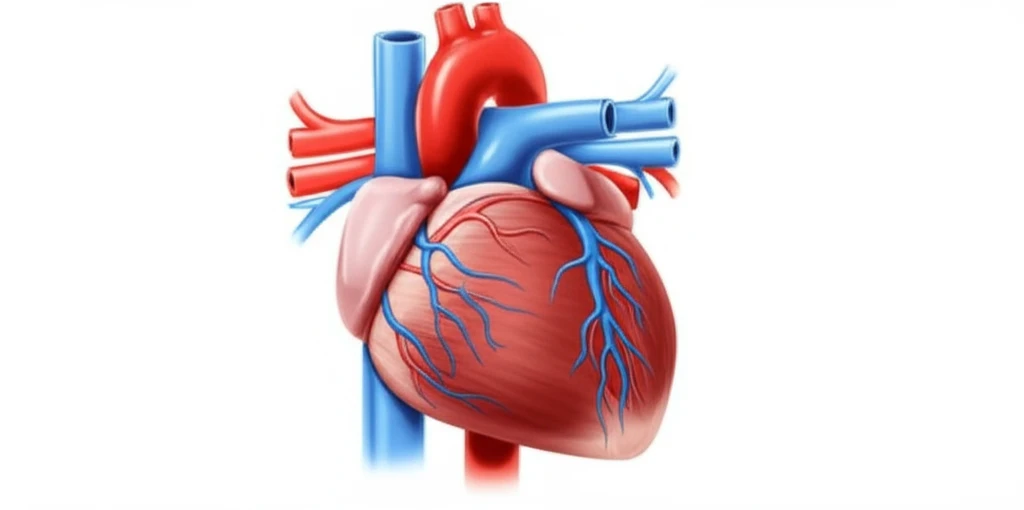
Symbolic illustration of the connection between pulmonary hypertension and hypertrophic cardiomyopathy.

Pulmonary Hypertension in Hypertrophic Cardiomyopathy: What You Need to Know

"Unveiling the significance, mechanisms, and impact on heart health for a younger, health-conscious audience."


Hypertrophic cardiomyopathy (HCM) is a prevalent heart condition passed down through families. It's characterized by the thickening of the heart muscle, which can make it harder for the heart to pump blood effectively. Although it affects the left side of the heart predominantly, a frequent complication is pulmonary hypertension (PH).

Pulmonary hypertension (PH) refers to elevated blood pressure in the arteries that supply blood to the lungs. When PH occurs with HCM, it can lead to serious health challenges. For a long time, the coexistence of PH in HCM was recognized, but current research is shedding light on its significance, the processes behind it, and its influence on how the disease progresses.

This article dives into the connection between PH and HCM, exploring risk factors, the mechanisms by which PH develops, and the latest on how these conditions are managed. Whether you’re managing HCM, know someone who is, or are simply keen on understanding heart health, this information will provide essential insight.

What are the risk factors for Pulmonary Hypertension in HCM?

Symbolic illustration of the connection between pulmonary hypertension and hypertrophic cardiomyopathy.

Identifying risk factors can help in early detection and management. Recent studies have pinpointed several key factors that increase the likelihood of developing pulmonary hypertension in individuals with hypertrophic cardiomyopathy.

According to research, these factors are particularly noteworthy:

  • Age: Individuals aged 65 and over have a higher risk.
  • Gender: Women are more prone to developing PH in the presence of HCM.
  • Atrial Fibrillation: The presence of this irregular heart rhythm elevates the risk.
  • Mitral Regurgitation: Moderate to severe leakage in the mitral valve is a significant risk factor.
Being aware of these risk factors empowers both patients and healthcare providers to monitor and manage the condition more effectively. Regular check-ups and targeted assessments can make a big difference in outcomes.

The Path Forward: Optimizing Treatment Strategies

Understanding the relationship between pulmonary hypertension and hypertrophic cardiomyopathy is crucial for tailoring effective treatment strategies. While managing HCM traditionally involves medications and lifestyle adjustments, the presence of PH necessitates a more comprehensive approach. By understanding the mechanisms, identifying risk factors, and staying informed about the latest research, we can work together to improve the quality of life for those affected by these conditions.

About this Article -

This article was crafted using a human-AI hybrid and collaborative approach. AI assisted our team with initial drafting, research insights, identifying key questions, and image generation. Our human editors guided topic selection, defined the angle, structured the content, ensured factual accuracy and relevance, refined the tone, and conducted thorough editing to deliver helpful, high-quality information.See our About page for more information.

Everything You Need To Know

1

What is the fundamental relationship between Pulmonary Hypertension (PH) and Hypertrophic Cardiomyopathy (HCM)?

The core connection lies in the physiological impact of Hypertrophic Cardiomyopathy on the cardiovascular system. HCM, characterized by the thickening of the heart muscle, primarily affects the left side of the heart, making it harder to pump blood effectively. This can lead to increased pressure in the left atrium. Over time, this elevated pressure can transmit backwards into the pulmonary circulation, causing Pulmonary Hypertension (PH), which is the elevation of blood pressure in the arteries of the lungs. The presence of PH significantly complicates HCM, potentially worsening heart function and overall health outcomes. The article highlights that while the link between PH and HCM has been recognized, ongoing research is crucial to fully understand its significance and influence on disease progression.

2

What are the key risk factors that increase the likelihood of developing Pulmonary Hypertension in individuals with Hypertrophic Cardiomyopathy?

Several risk factors have been identified through recent studies. These include Age, where individuals aged 65 and over face a higher risk. Gender is also a factor, as women are more prone to developing PH in the context of HCM. Atrial Fibrillation, an irregular heart rhythm, significantly elevates the risk. Additionally, Mitral Regurgitation, particularly moderate to severe leakage in the mitral valve, is a key indicator. Awareness of these risk factors enables patients and healthcare providers to implement proactive monitoring and management strategies, which can be critical for better outcomes.

3

How does the presence of Pulmonary Hypertension change the treatment approach for Hypertrophic Cardiomyopathy?

Managing HCM typically involves medications and lifestyle adjustments designed to improve heart function. However, when Pulmonary Hypertension (PH) is also present, the treatment strategy becomes more complex and necessitates a more comprehensive approach. The presence of PH indicates that not only must the heart's function be addressed, but the pulmonary circulation must also be managed. This could involve specific medications to lower blood pressure in the lungs, in addition to lifestyle changes such as dietary modifications, exercise, and managing underlying conditions. The overall goal is to improve the quality of life and prevent further deterioration of heart health, emphasizing the importance of understanding the underlying mechanisms and staying informed about the latest research.

4

Why is understanding the mechanisms behind the development of Pulmonary Hypertension in Hypertrophic Cardiomyopathy important?

Understanding the mechanisms by which Pulmonary Hypertension (PH) develops in Hypertrophic Cardiomyopathy (HCM) is vital for several reasons. Firstly, it provides a deeper insight into how the disease progresses and affects the cardiovascular system. This understanding allows healthcare professionals to tailor more effective treatment strategies. Secondly, knowing the mechanisms helps in identifying specific targets for therapeutic interventions, potentially leading to the development of new drugs or procedures. Finally, it enables better risk stratification, helping to identify individuals at higher risk of developing PH and allowing for early intervention and preventative measures. This detailed knowledge directly contributes to improved patient outcomes and overall management of the condition, as it helps in addressing both the structural and functional aspects of heart health.

5

What is the long-term impact of Pulmonary Hypertension on individuals with Hypertrophic Cardiomyopathy, and how can this be managed?

The long-term impact of Pulmonary Hypertension (PH) on individuals with Hypertrophic Cardiomyopathy (HCM) can be quite significant, often leading to a decrease in overall heart function, increased strain on the right side of the heart, and reduced exercise capacity. PH can exacerbate symptoms such as shortness of breath, chest pain, and fatigue, which can considerably reduce quality of life. Managing this combination necessitates a multifaceted approach, including medications to lower pulmonary blood pressure and address HCM symptoms. Lifestyle adjustments, such as dietary changes, regular exercise tailored to the individual's condition, and avoidance of activities that strain the heart are also crucial. Regular check-ups and monitoring by healthcare professionals, along with staying informed about the latest research, play a pivotal role in managing the disease progression and improving long-term outcomes.

Newsletter Subscribe

Subscribe to get the latest articles and insights directly in your inbox.