
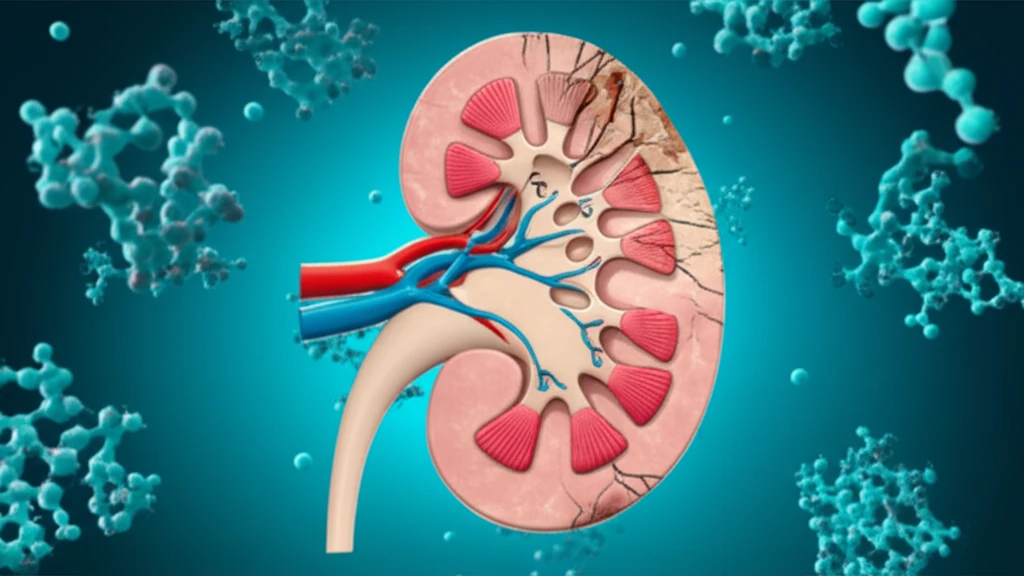
Protein Carbamylation in Kidney Disease

Protein Carbamylation: Is This Silent Threat Accelerating Kidney Disease?

"Uncover the hidden connection between protein carbamylation and end-stage renal disease, and what it could mean for those at risk."


In 2018, end-stage renal disease (ESRD) affected over 700,000 individuals in the US, with nearly 500,000 relying on maintenance dialysis. Despite medical advancements, ESRD significantly increases the risk of death, especially from cardiovascular causes, highlighting the need to explore novel risk factors beyond traditional ones like hypertension and atherosclerosis.

One such factor is protein carbamylation, a posttranslational modification driven by cyanate, a byproduct of urea. While normally present in low concentrations, urea levels—and consequently cyanate and carbamylation—rise when kidney function declines. This process isn't solely linked to urea; factors like free amino acid levels, inflammation, diet, smoking, and environmental pollutants also play a role, contributing to molecular and cellular dysfunction.

This article delves into the consequences of protein carbamylation, particularly in the context of ESRD, and explores potential therapeutic strategies. Understanding this process is crucial to improving outcomes for individuals with kidney disease.

How Does Carbamylation Impact Cardiovascular Health and EPO Resistance?

Protein Carbamylation in Kidney Disease

The carbamylation reaction involves adding a carbamoyl group to a functional group of a protein, effectively neutralizing positive charges. This alteration can destabilize protein structures, leading to changes in charge, conformation, and stability. The consequences are far-reaching, affecting enzyme and hormone activity, binding properties, receptor-drug interactions, and cellular responses.

Here’s a more detailed look at how carbamylation is related to cardiovascular and erythropoietin (EPO) resistance:

  • Accelerated Atherosclerosis: In vitro, animal, and human studies suggest carbamylation accelerates atherosclerosis, vascular calcification, and thrombosis by affecting lipoproteins, collagen, fibrin, mitochondrial proteins, and proteoglycans.
  • Cardiovascular Outcomes: Clinical studies have linked carbamylation to cardiovascular outcomes, showing a significant association between carbamylation levels and coronary or peripheral artery disease. Higher carbamylation levels are correlated with a greater risk of revascularization procedures, myocardial infarction, stroke, and death.
  • Erythropoietin (EPO) Resistance: Carbamylation of EPO diminishes its erythropoietic activity, contributing to EPO resistance. Studies have demonstrated an inverse relationship between carbamylated albumin levels and hemoglobin levels, with higher carbamylation associated with greater recombinant EPO doses needed to maintain hemoglobin levels. When carbamylation was included in analyses, it overshadowed the association between EPO responsiveness and mortality, indicating a dominant association with death.
These findings highlight the potential of carbamylation as an independent risk factor for adverse outcomes, paving the way for interventions targeting carbamylation levels in chronic dialysis patients. Monitoring changes in EPO responsiveness may offer insights into the effectiveness of carbamylation-lowering strategies.

Looking Ahead: Can Carbamylation Be Reduced?

Given the mechanistic links between carbamylation and ESRD complications, research is focusing on targeted therapies to mitigate its effects. Strategies include nutritional interventions and dialysis modifications, all aimed at reducing urea levels and restoring amino acid balance. While interventions to reduce urea load and restore amino acid balance show the most promise, the uremic environment's complexity means the net clinical impact of these maneuvers requires further investigation.

About this Article -

This article was crafted using a human-AI hybrid and collaborative approach. AI assisted our team with initial drafting, research insights, identifying key questions, and image generation. Our human editors guided topic selection, defined the angle, structured the content, ensured factual accuracy and relevance, refined the tone, and conducted thorough editing to deliver helpful, high-quality information.See our About page for more information.

Everything You Need To Know

1

What is protein carbamylation, and how does it relate to kidney disease?

Protein carbamylation is a posttranslational modification where proteins are altered by cyanate, a byproduct of urea. High urea levels, often occurring when kidney function declines, lead to increased cyanate and subsequent protein carbamylation. This process is increasingly linked to complications of End-Stage Renal Disease (ESRD), suggesting it's a significant risk factor beyond traditional ones like hypertension. The consequences include molecular and cellular dysfunction, impacting cardiovascular health and treatment outcomes for individuals with kidney disease.

2

How does protein carbamylation affect cardiovascular health?

Protein carbamylation significantly impacts cardiovascular health by accelerating atherosclerosis, vascular calcification, and thrombosis. These effects are seen in in vitro, animal, and human studies. Carbamylation affects lipoproteins, collagen, fibrin, mitochondrial proteins, and proteoglycans, contributing to cardiovascular issues. Clinical studies show a strong association between carbamylation levels and cardiovascular outcomes, including the risk of revascularization, myocardial infarction, stroke, and death. Therefore, higher levels of protein carbamylation are linked to increased cardiovascular risk.

3

What is the connection between protein carbamylation and EPO resistance?

Protein carbamylation diminishes the erythropoietic activity of Erythropoietin (EPO), contributing to EPO resistance. Studies have shown an inverse relationship between carbamylated albumin levels and hemoglobin levels. Higher carbamylation levels require greater recombinant EPO doses to maintain hemoglobin levels. Carbamylation's impact on EPO responsiveness overshadows the association between EPO responsiveness and mortality, indicating it is a dominant factor associated with death in the context of kidney disease.

4

Beyond kidney function, what other factors influence protein carbamylation?

While kidney function is a major driver, factors beyond urea levels also play a role in protein carbamylation. These include free amino acid levels, inflammation, diet, smoking, and exposure to environmental pollutants. These factors contribute to the overall uremic environment, leading to increased protein carbamylation and associated molecular and cellular dysfunction. Therefore, addressing these factors could be crucial in managing carbamylation's impact on health.

5

What are the potential therapeutic strategies to reduce the impact of protein carbamylation?

Given the link between protein carbamylation and ESRD complications, research focuses on targeted therapies. Strategies include nutritional interventions and dialysis modifications aimed at reducing urea levels and restoring amino acid balance. While interventions to reduce urea load and restore amino acid balance show the most promise, the uremic environment's complexity means the net clinical impact of these maneuvers requires further investigation. Monitoring changes in EPO responsiveness may also offer insights into the effectiveness of carbamylation-lowering strategies, which would improve outcomes for individuals with kidney disease.

Newsletter Subscribe

Subscribe to get the latest articles and insights directly in your inbox.