
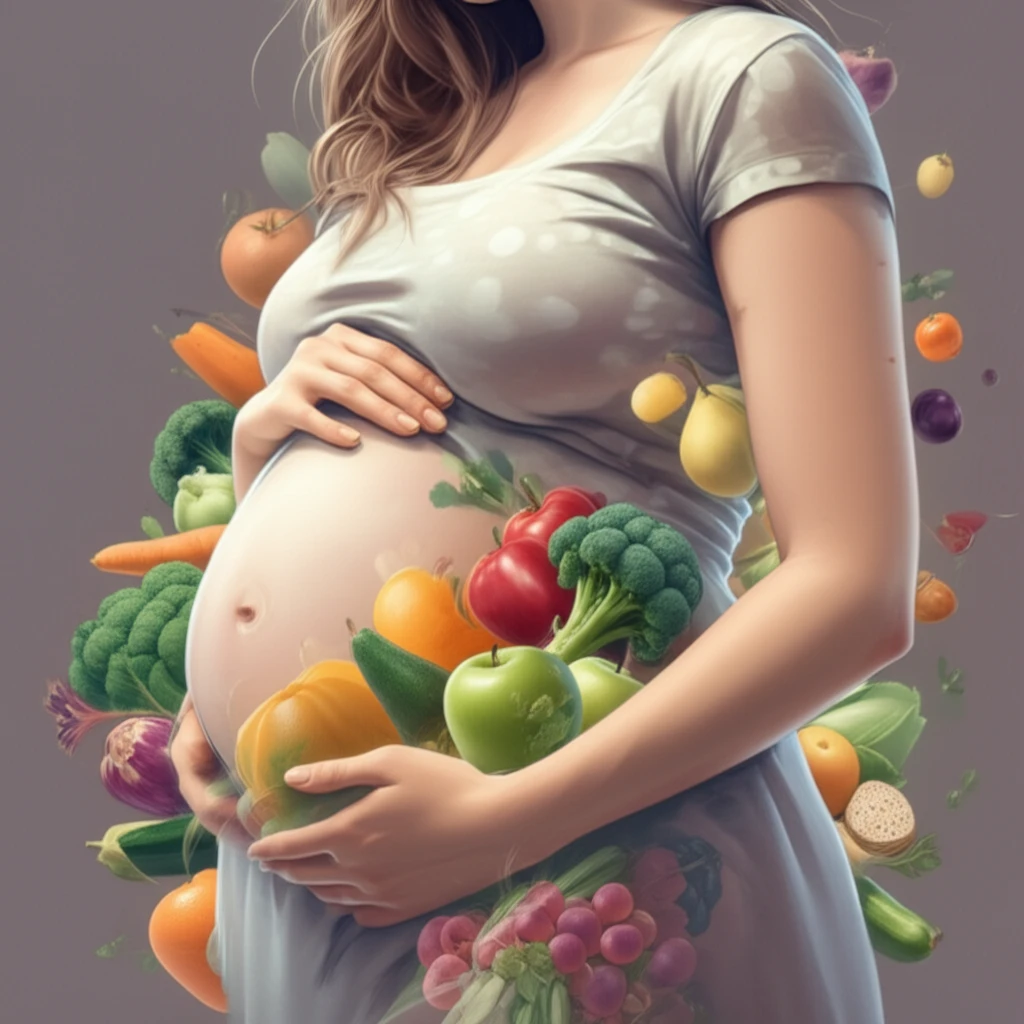
Surreal illustration depicting the challenge of accurately perceiving calorie intake during pregnancy.

Pregnancy and Diet: Are You Eating Enough (or Too Little?)

"New research reveals a hidden challenge in pregnancy: many women unintentionally misreport their calorie intake, impacting both their health and their baby's."


Pregnancy is a period of immense change, and with it comes a heightened awareness of what you're eating. But what if you're not getting an accurate picture of your dietary intake? Misreporting of energy intake is a common issue, and new research highlights that it can be especially problematic during pregnancy, potentially skewing the relationship between diet and health outcomes for both mother and child.

A recent study published in BMC Pregnancy and Childbirth sheds light on this often-overlooked challenge. Researchers delved into the characteristics of overweight and obese pregnant women who unintentionally underreport their energy intake, seeking to understand the factors that contribute to this misreporting and its implications for pregnancy.

This article will explore the key findings of this research, providing insights into why misreporting occurs, who is most at risk, and, most importantly, offering actionable strategies to ensure you're getting the nutrition you and your baby need during this critical time.

The Hidden Truth: Why Calorie Counts Can Be Deceiving

Surreal illustration depicting the challenge of accurately perceiving calorie intake during pregnancy.

The study, led by L.J. Moran and colleagues, involved 945 overweight or obese pregnant women. The findings revealed that a significant proportion of these women were classified as under reporters of energy intake – 38% at the beginning of the study (10-20 weeks gestation) and a concerning 49.4% at 36 weeks gestation. This means that nearly half the women in late pregnancy were consuming fewer calories than they reported.

But why does this misreporting happen? It's not always intentional. Several factors can contribute, including:

  • Social Desirability Bias: Women may subconsciously report eating healthier foods and fewer less healthy options.
  • Recall Bias and Memory Lapses: It's easy to forget small snacks or underestimate portion sizes.
  • Lack of Awareness: Many individuals are simply not aware of the calorie content of different foods.
  • Inconvenience: Accurately recording everything you eat can be time-consuming and tedious.
The study also pinpointed specific characteristics that were independently associated with underreporting, including higher BMI, lower socioeconomic status, a history of dieting, and risk of depression at 36 weeks. Understanding these factors can help identify women who may need extra support in accurately tracking their food intake.

Take Control of Your Pregnancy Nutrition: Practical Steps for Success

The research clearly demonstrates that accurately assessing energy intake during pregnancy can be challenging, but it's crucial for ensuring optimal health outcomes. Under reporting energy intake was present in over a third of overweight and obese pregnant women and was higher in late compared to early pregnancy. Characteristics such as BMI, socioeconomic status, past dieting behaviour and risk of depression may aid in identifying women who either require support in accurate recording of food intake or attention for improving diet quality.

Here are some actionable strategies to help you stay on track:

<ul> <li><b>Keep a Food Diary:</b> Record everything you eat and drink, including portion sizes. Use a food scale and measuring cups for accuracy.</li> <li><b>Utilize Technology:</b> Apps like MyFitnessPal or Lose It! can help you track calories and macronutrients.</li> <li><b>Consult a Registered Dietitian:</b> A dietitian specializing in pregnancy can provide personalized guidance and help you create a healthy eating plan.</li> <li><b>Be Mindful of Emotional Eating:</b> Pay attention to your hunger cues and avoid eating in response to stress or other emotions.</li> <li><b>Focus on Whole, Unprocessed Foods:</b> These foods are generally more filling and nutrient-dense than processed options.</li> </ul>

About this Article -

This article was crafted using a human-AI hybrid and collaborative approach. AI assisted our team with initial drafting, research insights, identifying key questions, and image generation. Our human editors guided topic selection, defined the angle, structured the content, ensured factual accuracy and relevance, refined the tone, and conducted thorough editing to deliver helpful, high-quality information.See our About page for more information.

This article is based on research published under:

DOI-LINK: 10.1186/s12884-018-1826-x, Alternate LINK

Title: The Characterisation Of Overweight And Obese Women Who Are Under Reporting Energy Intake During Pregnancy

Subject: Obstetrics and Gynecology

Journal: BMC Pregnancy and Childbirth

Publisher: Springer Science and Business Media LLC

Authors: L. J. Moran, S. A. Mcnaughton, Z. Sui, C. Cramp, A. R. Deussen, R. M. Grivell, J. M. Dodd

Published: 2018-06-01

Everything You Need To Know

1

What did L.J. Moran's study reveal about calorie intake among pregnant women?

The study by L.J. Moran and colleagues, as highlighted, found that a notable percentage of overweight or obese pregnant women underreport their energy intake. Specifically, 38% underreported at 10-20 weeks of gestation, and this increased to 49.4% at 36 weeks. This suggests that as pregnancy progresses, the likelihood of misreporting calorie intake increases, potentially impacting dietary management during a crucial period.

2

What are the main reasons pregnant women might unintentionally misreport their calorie intake?

Several factors contribute to the misreporting of energy intake during pregnancy. These include social desirability bias, where women may report healthier eating habits than they actually have; recall bias and memory lapses, leading to underestimation of portion sizes or forgotten snacks; lack of awareness regarding the calorie content of foods; and the inconvenience of accurately recording all food intake. Addressing these factors can help improve the accuracy of dietary reporting.

3

According to the research, what characteristics make a pregnant woman more likely to underreport her energy intake?

The research indicates that higher BMI, lower socioeconomic status, a history of dieting, and the risk of depression at 36 weeks are independently associated with underreporting of energy intake. Identifying these characteristics can help healthcare providers target support and interventions to pregnant women who may struggle with accurately tracking their food intake. Addressing these factors can lead to more effective dietary management and better health outcomes.

4

Why is it so important to accurately track calorie intake during pregnancy, according to this research?

Accurately assessing energy intake during pregnancy is crucial for ensuring optimal health outcomes for both the mother and the baby. Misreporting can skew the relationship between diet and health, potentially leading to inadequate nutrient intake or excessive weight gain. By identifying and addressing the factors that contribute to misreporting, healthcare providers can help pregnant women make informed dietary choices and support healthy development.

5

Does this research on calorie misreporting only apply to overweight and obese pregnant women, or are there broader implications?

While the study focuses on overweight and obese pregnant women, the implications of misreporting energy intake extend to all pregnant women. Underreporting of calories can be detrimental, potentially leading to nutrient deficiencies that are critical for fetal development. Conversely, over reporting, though less discussed here, could lead to excessive weight gain, increasing the risk of gestational diabetes or pre-eclampsia. Therefore, accurate dietary tracking is essential for all pregnant women, regardless of their pre-pregnancy weight status.

Newsletter Subscribe

Subscribe to get the latest articles and insights directly in your inbox.