
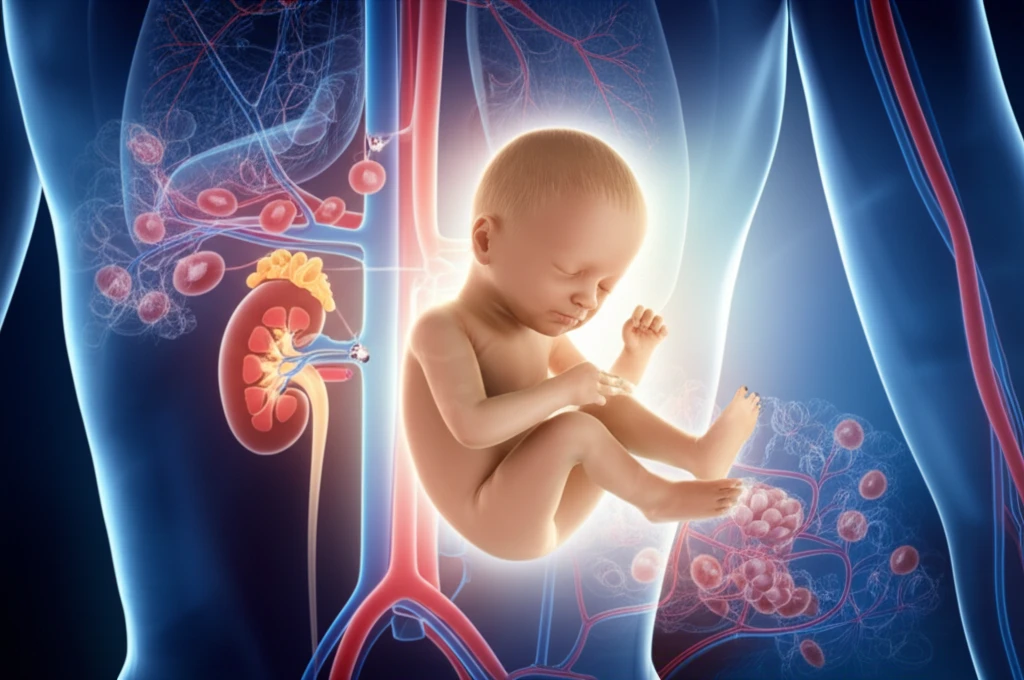
Illustration of a premature baby surrounded by medical symbols representing the renin-angiotensin system.

Preemie Problems: How Obesity and High Blood Pressure in Premature Babies Are Connected

"New research reveals a concerning link between obesity, high blood pressure, and kidney function in adolescents born prematurely, highlighting the need for early intervention."


The world of medicine is constantly evolving, and with it, our understanding of how early life experiences can shape our long-term health. Recent research has brought to light a critical link between premature birth, obesity, and high blood pressure, painting a complex picture of health risks for those born too soon.

For babies born prematurely, the challenges can extend far beyond the initial hurdles of survival. Studies have indicated a heightened risk of chronic conditions like hypertension and cardiovascular disease. This article delves into new findings that connect these risks with obesity and kidney health, offering insights into how we can better protect the health of these vulnerable individuals.

This isn't just about numbers and statistics; it's about real people and the need for a proactive approach to healthcare. As we explore the connections between premature birth, obesity, and high blood pressure, we'll uncover actionable steps to mitigate these risks, ensuring a healthier future for those who entered the world a little too early.

The Science Behind the Link: Premature Birth, the Renin-Angiotensin System, and Kidney Health

Illustration of a premature baby surrounded by medical symbols representing the renin-angiotensin system.

To understand this critical connection, we need to look at the Renin-Angiotensin System (RAS). The RAS is a complex network in the body that helps regulate blood pressure and kidney function. It involves a series of hormones and enzymes that work together to maintain balance. However, in individuals born prematurely, this system can be disrupted, leading to imbalances that increase the risk of health problems.

The study focused on a group of adolescents born prematurely. Researchers examined their blood pressure, levels of key substances like angiotensin II (Ang II) and angiotensin-(1-7) (Ang-(1-7)), and their kidney health. They found that those with overweight/obesity had higher blood pressure, an elevated ratio of plasma Ang II to Ang-(1-7), and a higher ratio of urinary Ang II to Ang-(1-7). This indicates a disruption in the RAS, especially in the kidney, that may exacerbate their health risks.

  • Angiotensin II (Ang II): A hormone that constricts blood vessels, increasing blood pressure.
  • Angiotensin-(1-7) (Ang-(1-7)): A hormone that dilates blood vessels, helping to lower blood pressure.
  • The Kidney's Role: The kidneys play a critical role in regulating blood pressure and maintaining the balance of the RAS.
  • Obesity's Impact: The study suggests that obesity can worsen the imbalance in the RAS, leading to higher blood pressure and potential kidney problems.
In essence, the study revealed that obesity in adolescents born prematurely can compound the pre-existing risks associated with their early birth. The RAS, already vulnerable due to premature birth, is further disrupted by obesity, which contributes to the likelihood of high blood pressure and potential kidney complications. These findings underscore the importance of addressing obesity and related health issues early in life to mitigate the long-term risks.

Looking Ahead: Early Intervention and a Healthier Future

The findings of this research highlight the need for proactive healthcare strategies for individuals born prematurely, especially those struggling with obesity. Early intervention programs, including dietary adjustments, increased physical activity, and regular monitoring of blood pressure and kidney function, can play a crucial role in mitigating long-term health risks. By understanding and addressing the interplay between premature birth, obesity, and the RAS, we can help pave the way for a healthier future for these individuals. This study is a call to action for parents, healthcare providers, and policymakers to prioritize the well-being of those who need our support the most. The journey to better health starts with knowledge, awareness, and a commitment to taking action.

About this Article -

This article was crafted using a human-AI hybrid and collaborative approach. AI assisted our team with initial drafting, research insights, identifying key questions, and image generation. Our human editors guided topic selection, defined the angle, structured the content, ensured factual accuracy and relevance, refined the tone, and conducted thorough editing to deliver helpful, high-quality information.See our About page for more information.

Everything You Need To Know

1

Why are adolescents born prematurely potentially at a higher risk for certain health conditions?

Adolescents born prematurely face an elevated risk of health conditions like hypertension and cardiovascular disease due to challenges extending beyond their initial survival. New findings suggest a connection between premature birth, obesity, and kidney health, revealing potential health risks for those born too soon. This is not just about numbers; it highlights the necessity for a proactive healthcare approach to mitigate these risks, ensuring a healthier future for these individuals.

2

What is the Renin-Angiotensin System (RAS) and how does it relate to premature birth?

The Renin-Angiotensin System, or RAS, is a complex network within the body that regulates blood pressure and kidney function through a series of hormones and enzymes. In individuals born prematurely, this system can be disrupted, leading to imbalances that elevate the risk of health problems. The RAS is especially vulnerable due to premature birth, and is further disrupted by conditions such as obesity, contributing to the likelihood of high blood pressure and potential kidney complications.

3

What role do Angiotensin II (Ang II) and Angiotensin-(1-7) (Ang-(1-7)) play in the connection between premature birth, obesity, and high blood pressure?

Angiotensin II, or Ang II, is a hormone that constricts blood vessels, increasing blood pressure. Conversely, Angiotensin-(1-7), or Ang-(1-7), dilates blood vessels, helping to lower blood pressure. The study indicated that adolescents born prematurely with overweight/obesity had higher blood pressure, an elevated ratio of plasma Ang II to Ang-(1-7), and a higher ratio of urinary Ang II to Ang-(1-7), suggesting a disruption in the RAS. An imbalance between Ang II and Ang-(1-7) exacerbates health risks, particularly in the kidneys.

4

How does obesity impact the Renin-Angiotensin System (RAS) in adolescents born prematurely, and what are the potential consequences?

Obesity can worsen imbalances within the Renin-Angiotensin System, or RAS, in adolescents born prematurely. The RAS, already vulnerable due to premature birth, is further disrupted by obesity. This disruption contributes to a higher likelihood of high blood pressure and potential kidney complications. Addressing obesity and related health issues early in life is crucial to mitigating long-term risks associated with the RAS imbalance.

5

What kind of early interventions can help mitigate the long-term health risks associated with premature birth, obesity, and the Renin-Angiotensin System (RAS)?

Early intervention programs are crucial for mitigating long-term health risks associated with premature birth and obesity. Dietary adjustments, increased physical activity, and regular monitoring of blood pressure and kidney function can play a vital role. Addressing the interplay between premature birth, obesity, and the Renin-Angiotensin System (RAS) with proactive healthcare strategies can help pave the way for a healthier future for these individuals. Prioritizing the well-being of those who need our support the most, through knowledge, awareness, and a commitment to taking action, is essential.

Newsletter Subscribe

Subscribe to get the latest articles and insights directly in your inbox.