
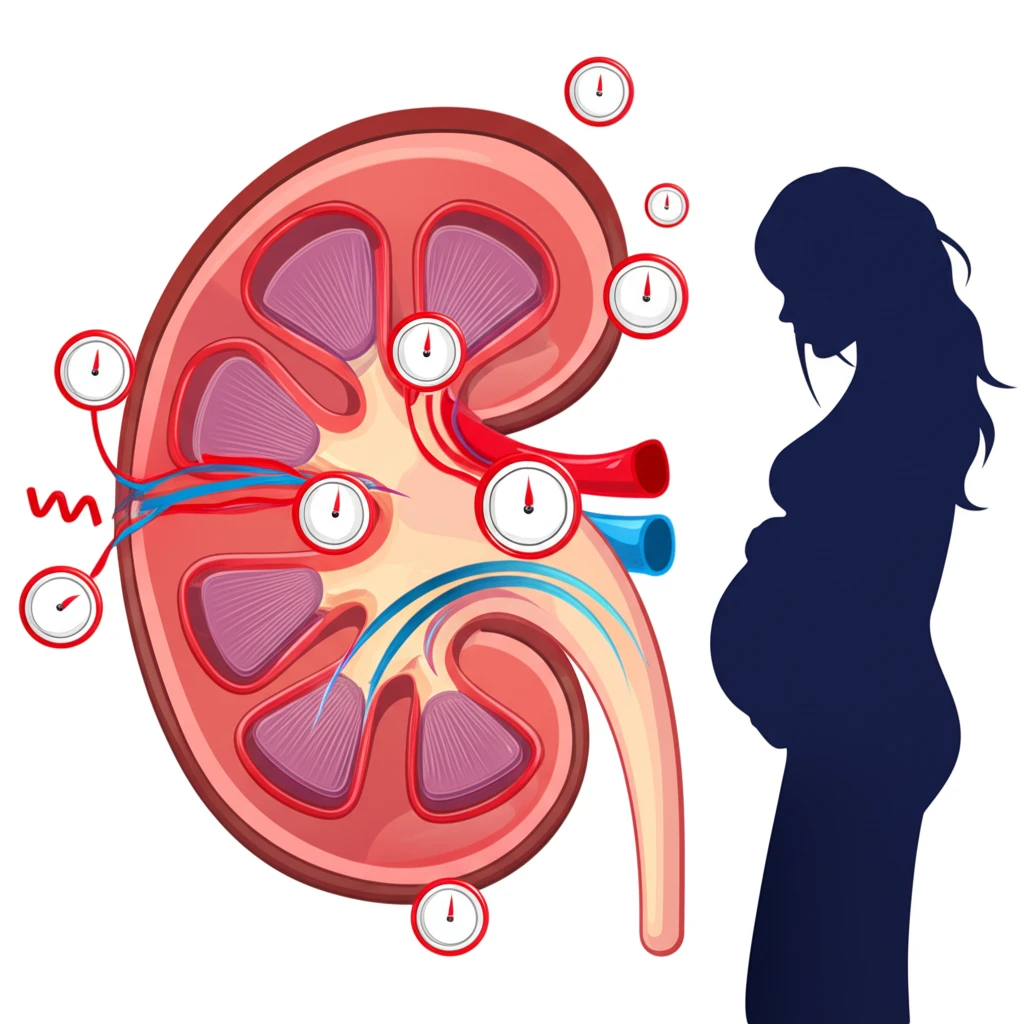
Preeclampsia and Your Kidneys: What You Need to Know About Long-Term Health

"Unveiling the Link: How Preeclampsia Can Impact Your Kidney Health, and What You Can Do About It"
Pregnancy is often hailed as a time of joy and anticipation, but for some women, it comes with unexpected health challenges. Preeclampsia, a condition characterized by high blood pressure and potential organ damage, can cast a shadow over this special period. While the focus is often on immediate risks, the long-term implications of preeclampsia are equally crucial, particularly concerning kidney health.
Recent research sheds light on the lasting impact of preeclampsia on kidney function. Studies have shown that women who experience preeclampsia may face an increased risk of developing chronic kidney disease later in life. This highlights the importance of understanding the mechanisms behind this connection and taking proactive steps to safeguard your health post-pregnancy.
This article delves into the critical link between preeclampsia and kidney health. We will explore the latest findings on biomarkers, the role of podocyte damage, and the overall impact on renal function. We'll also provide valuable insights and actionable advice to help you manage your health and reduce potential risks after experiencing preeclampsia.
Decoding Preeclampsia: Understanding the Risks to Your Kidneys
Preeclampsia, typically arising after the 20th week of pregnancy, is more than just high blood pressure. It's a multifaceted condition that can affect various organs, including the kidneys. The kidneys are vital for filtering waste products from the blood, regulating blood pressure, and maintaining overall fluid balance. When preeclampsia disrupts kidney function, it can set the stage for long-term complications.
- High Blood Pressure: Preeclampsia often causes a sudden and significant increase in blood pressure, straining the kidneys.
- Podocyte Damage: The condition can directly damage podocytes, disrupting kidney function.
- Proteinuria: Increased protein in the urine (proteinuria) is a common sign of kidney damage in preeclampsia.
- Reduced Kidney Function: In severe cases, preeclampsia can lead to a decline in kidney function, potentially requiring long-term management.
Empowering Your Health: Steps to Protect Your Kidneys After Preeclampsia
If you've experienced preeclampsia, taking proactive steps to monitor and protect your kidney health is essential. Regular check-ups with your healthcare provider, including blood pressure monitoring and urine tests, are critical. Maintaining a healthy lifestyle, including a balanced diet, regular exercise, and avoiding smoking, can also significantly reduce your risk. By staying informed and taking action, you can safeguard your kidney health and ensure a healthier future. Remember, you're not alone, and with the right care, you can thrive.