
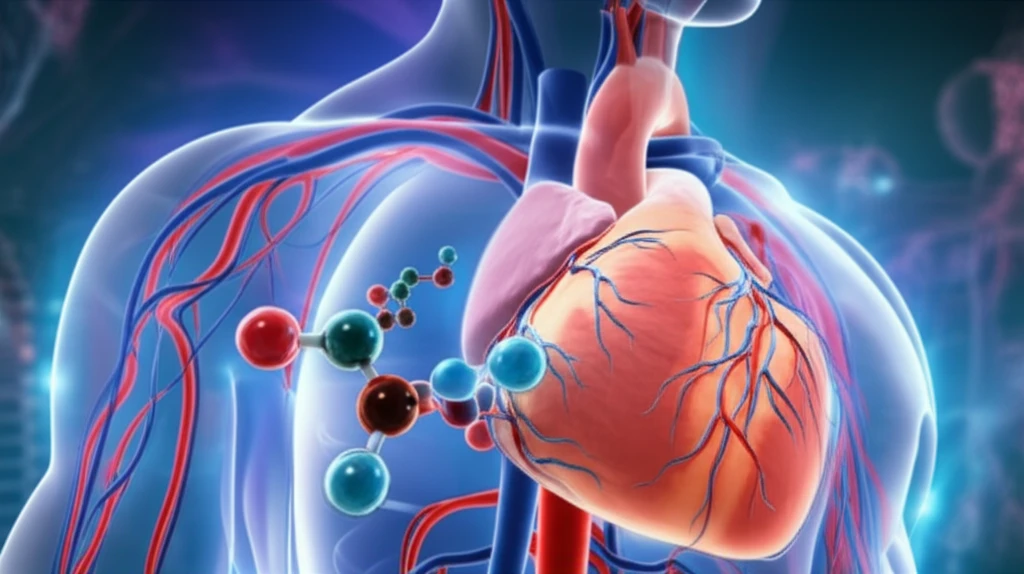
Pitavastatin molecule protecting a healthy heart.

Pitavastatin: The Promising Statin You Need to Know About

"Discover the power of pitavastatin, a modern statin offering unique benefits in cholesterol management, especially for those at risk of diabetes and drug interactions."


Statins are a cornerstone in managing high cholesterol, known for their ability to reduce the risk of cardiovascular events. Among these, pitavastatin stands out as a newer option with distinct advantages. But what makes pitavastatin different, and why should it be on your radar?

Pitavastatin has been shown to lower LDL-C (bad cholesterol) effectively. What’s more, it does so at lower doses compared to some other statins. The standard dose of 4 mg can reduce LDL-C by 40-49% in various patient groups, matching the effect of 20 mg of atorvastatin.

What truly sets pitavastatin apart is its minimal metabolism, reducing the likelihood of drug interactions. It also appears to have a more favorable impact on blood sugar levels, lowering the risk of new-onset diabetes. Recent studies even suggest it may be more effective than other statins in preventing cardiovascular events, especially at higher doses.

Why Pitavastatin Could Be a Game-Changer for Your Heart Health

Pitavastatin molecule protecting a healthy heart.

Pitavastatin works by inhibiting HMG-CoA reductase, a critical enzyme in cholesterol production. This action boosts the number of LDL receptors on cells, helping to remove LDL cholesterol from the blood. The main impact is in the liver, where this process occurs.

Here’s a quick look at how pitavastatin makes a difference:

  • Effective LDL-C Reduction: Lowers bad cholesterol effectively at lower doses.
  • Reduced Drug Interactions: Minimal metabolism reduces the risk of interactions with other medications.
  • Lower Diabetes Risk: Appears less likely to cause new-onset diabetes compared to other statins.
  • Increased HDL-C: Can increase high-density lipoprotein cholesterol (good cholesterol).
Pitavastatin isn't just about lowering LDL-C. It also has pleiotropic effects, meaning it offers additional benefits such as reducing inflammation and stabilizing plaques in arteries. Studies have shown these effects, making pitavastatin a strong contender in preventing heart disease.

Is Pitavastatin Right for You?

Pitavastatin offers several benefits, especially for those concerned about drug interactions or diabetes risk. It may be a better option than other statins, particularly when higher doses are needed to meet cholesterol targets. As always, consult your doctor to discuss whether pitavastatin is the best choice for your unique health needs. A personalized approach ensures the most effective and safest strategy for managing your cholesterol.

About this Article -

This article was crafted using a human-AI hybrid and collaborative approach. AI assisted our team with initial drafting, research insights, identifying key questions, and image generation. Our human editors guided topic selection, defined the angle, structured the content, ensured factual accuracy and relevance, refined the tone, and conducted thorough editing to deliver helpful, high-quality information.See our About page for more information.

This article is based on research published under:

DOI-LINK: 10.1080/14656566.2018.1544243, Alternate LINK

Title: An Evaluation Of Pitavastatin For The Treatment Of Hypercholesterolemia

Subject: Pharmacology (medical)

Journal: Expert Opinion on Pharmacotherapy

Publisher: Informa UK Limited

Authors: Paul Chan, Li Shao, Brian Tomlinson, Yuzhen Zhang, Zhong-Min Liu

Published: 2018-11-27

Everything You Need To Know

1

What is Pitavastatin?

Pitavastatin is a modern statin medication used to manage high cholesterol levels. It works by inhibiting HMG-CoA reductase, an enzyme crucial in the body's cholesterol production. This action boosts the number of LDL receptors on cells, which helps remove LDL cholesterol, often referred to as 'bad cholesterol,' from the blood, primarily in the liver.

2

Why is Pitavastatin important for heart health?

Pitavastatin is important because it effectively lowers LDL-C at lower doses compared to some other statins. This efficacy is significant for individuals who need strong cholesterol management. Furthermore, pitavastatin has minimal metabolism, reducing the likelihood of drug interactions. The potential for lower risk of new-onset diabetes is another important advantage for those at risk of developing this condition, making pitavastatin a beneficial option for overall cardiovascular health.

3

What are the advantages of using Pitavastatin?

A key benefit of pitavastatin is its minimal metabolism, which significantly reduces the risk of drug interactions compared to other statins. This is particularly crucial for individuals taking multiple medications. It also shows a favorable impact on blood sugar levels, potentially lowering the risk of new-onset diabetes. Recent studies suggest that, at higher doses, pitavastatin may be more effective than some other statins in preventing cardiovascular events. These factors contribute to the potential for improved heart health.

4

Is Pitavastatin a good choice for everyone?

Yes, pitavastatin is a strong contender for those concerned about drug interactions or the risk of diabetes. The medication is particularly effective in lowering LDL-C. Moreover, it offers additional benefits such as reducing inflammation and stabilizing plaques in arteries, which contributes to the prevention of heart disease. However, as with all medications, it's best to consult with a healthcare provider to determine if pitavastatin is suitable for your individual health needs.

5

What are the implications of taking Pitavastatin?

The implications of using pitavastatin include effective cholesterol management and a reduced risk of cardiovascular events. It may lead to improved outcomes for patients at risk of diabetes or those taking multiple medications. Potential side effects and drug interactions are minimized due to pitavastatin's unique metabolic profile. The increase in HDL-C, often referred to as 'good cholesterol', contributes to the overall cardiovascular health benefits, leading to a comprehensive approach to heart health management.

Newsletter Subscribe

Subscribe to get the latest articles and insights directly in your inbox.