
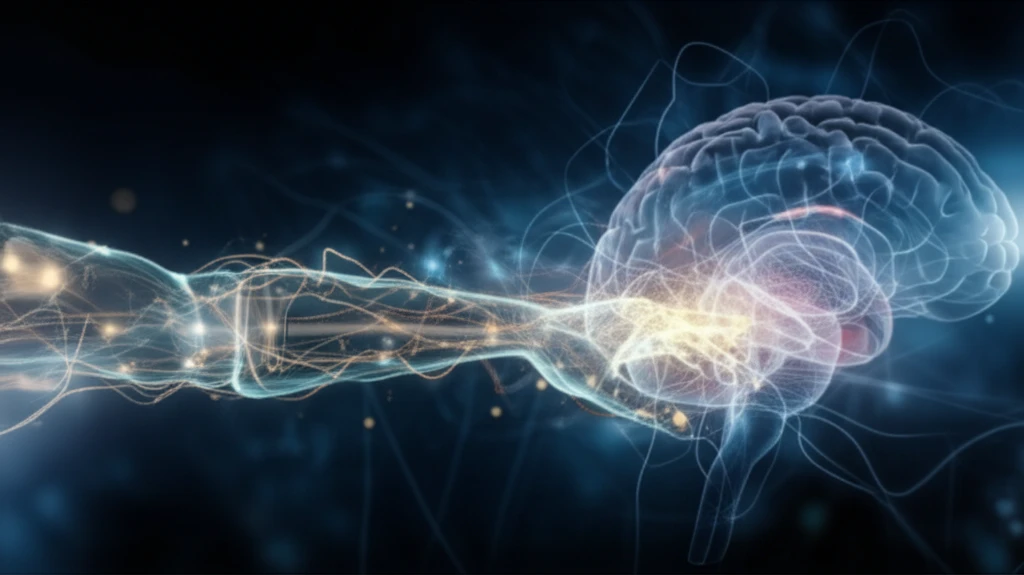
A digital illustration of a phantom limb shimmering with neural connections.

Phantom Limb Sensations: How Understanding Movement Can Ease Pain and Improve Lives

"Exploring the neuropsychological and clinical aspects of phantom limb movements to unlock therapeutic potentials for amputees."


For centuries, the phenomenon of phantom limbs has intrigued medical professionals and individuals alike. Imagine experiencing the vivid sensation of a limb that is no longer there, complete with the ability to initiate movement. This is the reality for many amputees, and while the experience can be unsettling, emerging research suggests that understanding these phantom movements holds the key to alleviating pain and improving quality of life.

Phantom limb sensation is defined as the persistence of the awareness that a limb is present although it has been amputated. First described in the 16th century, it wasn't until 1866 that the term 'phantom limb' was coined. While often associated with pain, phantom limb sensations encompass a broader range of experiences, including the ability to feel movement in the missing limb.

This article explores the neuropsychological and clinical aspects of phantom limb movements, drawing from a study published in Movement & Sport Sciences. By understanding how amputees perceive and control these phantom movements, we can unlock new therapeutic avenues for pain management, prosthetic training, and even rehabilitation after hand allografts.

The Mind-Body Connection: Differentiating Between Imagined and "Executed" Movements

A digital illustration of a phantom limb shimmering with neural connections.

A critical distinction often overlooked is the difference between motor imagery (imagining movement) and the actual sensation of executing movement in the phantom limb. The study published in Movement & Sport Sciences highlights that amputees can indeed differentiate between these two experiences, a finding with significant implications for therapy.

Historically, phantom limb movements have been largely attributed to motor imagery. However, recent research indicates that amputees perceive genuine kinesthetic sensations akin to actual movement, versus merely imagining it. This has been confirmed by studies that show that behavioral differences and partially distinct brain regions light up with different activities. But, how can a person actually move a part of their body that no longer exists?

  • Behavioral Performance: Amputees show different patterns of performance when physically trying to move the phantom limb compared to simply thinking about moving it.
  • Brain Activity: Neuroimaging studies reveal that distinct, though overlapping, brain regions are activated during attempted execution versus imagined movement.
  • EMG Activity: Electromyography (EMG) recordings show significant muscle activity in the stump during attempted execution, further supporting the notion of a genuine motor effort.
The study confirmed that the speed of attempted movements in the phantom limb is significantly reduced compared to motor imagery. This suggests that the absence of the limb specifically impairs movement execution but does not affect the ability to imagine movement. The study underscores the importance of recognizing the distinction between motor imagery and attempted movement in the context of phantom limbs.

Moving Forward: Harnessing Phantom Limb Movement for a Better Future

Phantom limb research offers a wealth of possibilities for improving the lives of amputees. By understanding how these sensations work, scientists and clinicians can develop more effective pain management strategies, refine prosthetic training techniques, and potentially even restore some degree of natural movement control. Further research and individualized approaches are essential to maximize the benefits of motor imagery with phantom limb.

About this Article -

This article was crafted using a human-AI hybrid and collaborative approach. AI assisted our team with initial drafting, research insights, identifying key questions, and image generation. Our human editors guided topic selection, defined the angle, structured the content, ensured factual accuracy and relevance, refined the tone, and conducted thorough editing to deliver helpful, high-quality information.See our About page for more information.

Everything You Need To Know

1

What is a phantom limb sensation?

Phantom limb sensation is the awareness that a limb is still present, even though it has been amputated. This sensation, first documented in the 16th century and termed 'phantom limb' in 1866, can include various experiences, such as feeling the limb, the ability to move it, and sometimes pain. The experience is common among amputees.

2

How do motor imagery and attempted movement differ in the context of a phantom limb?

The critical distinction lies in the difference between motor imagery (imagining movement) and the sensation of executing movement in the phantom limb. Amputees can differentiate between these two experiences. 'Motor imagery' is thinking about moving the phantom limb, while 'attempted movement' involves the sensation of trying to move the phantom limb. Studies show behavioral and neurological differences between the two, indicating that they involve different brain activities, despite some overlap. Attempted movement often results in reduced speed, reflecting the absence of the physical limb which doesn't affect the ability to imagine movement.

3

How does the brain process the sensation of movement in a phantom limb?

Research indicates that distinct brain regions are activated during the attempted execution of movement in a phantom limb. These regions overlap with those used during motor imagery but show clear differences. Neuroimaging studies confirm this. Furthermore, electromyography (EMG) recordings reveal muscle activity in the stump during attempted execution. While motor imagery might be involved, the genuine kinesthetic sensation suggests the brain attempts to execute a motor plan, even without the physical limb. The brain's attempt to move the phantom limb is a complex process, involving sensory feedback and motor control pathways.

4

Can phantom limb movement be used to improve prosthetic integration and rehabilitation?

Yes, understanding phantom limb movements holds the key to improving prosthetic training and rehabilitation after hand allografts, potentially improving the lives of amputees. By understanding how these sensations work, clinicians and scientists can develop more effective pain management strategies, refine prosthetic training techniques, and potentially even restore some degree of natural movement control. Individualized approaches are essential to maximize the benefits of motor imagery with phantom limb research.

5

What are the implications of distinguishing between motor imagery and attempted movement of a phantom limb for therapeutic interventions?

Recognizing the difference between motor imagery and attempted movement in the phantom limb context is crucial for developing effective therapeutic interventions. This understanding allows for the development of tailored strategies, like mirror therapy, where visual feedback helps the brain recalibrate and reduce pain. Further research and individualized approaches are essential to maximize the benefits of motor imagery with phantom limb. Clinicians can use this knowledge to design exercises that target the areas involved in genuine movement attempts. This can potentially lead to better pain management, improved prosthetic control, and enhanced rehabilitation outcomes.

Newsletter Subscribe

Subscribe to get the latest articles and insights directly in your inbox.