
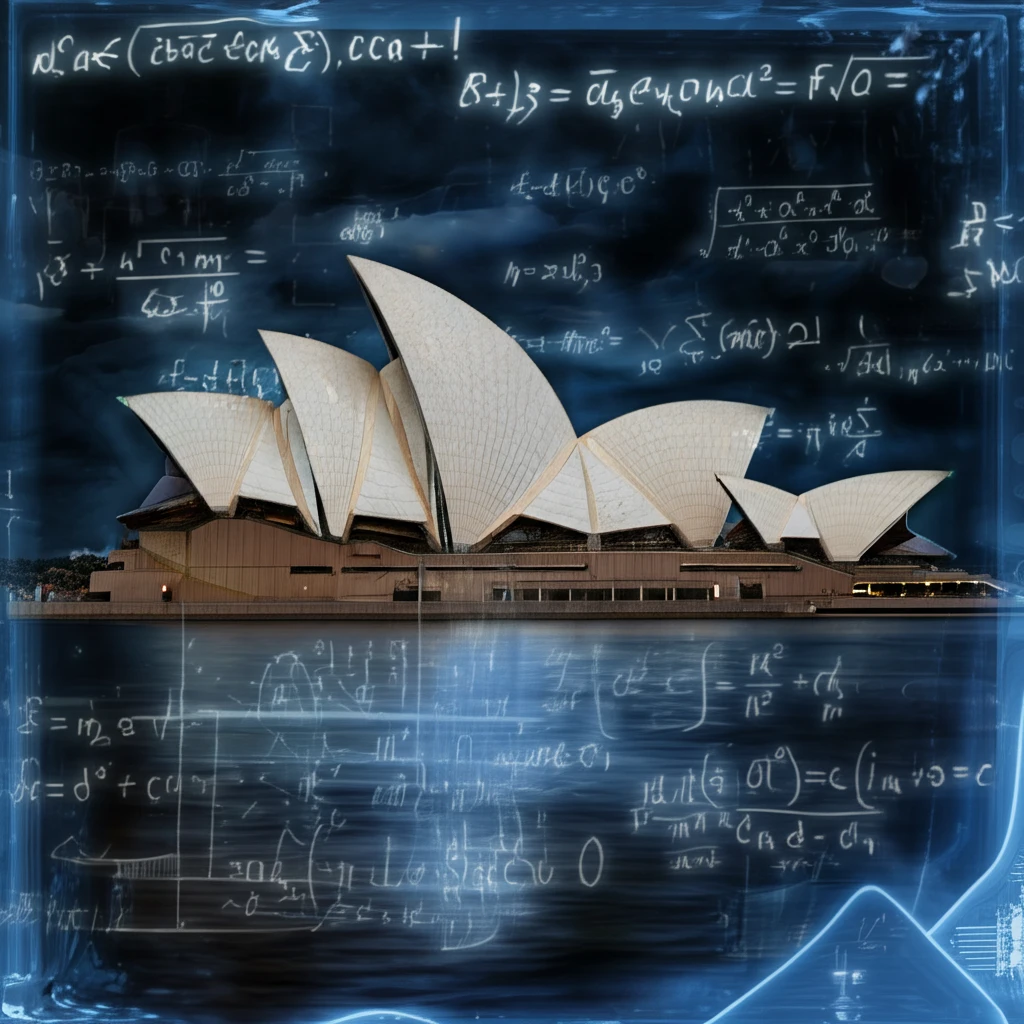
Surreal image of the Sydney Opera House with floating blueprints and equations

Peter Rice: The Engineer Who Revolutionized Architecture

"Discover the story of Peter Rice, the innovative structural engineer who bridged the gap between engineering and architecture, creating iconic designs worldwide."


Peter Rice wasn't just an engineer; he was a visionary who redefined the boundaries of structural engineering. Born in Dublin in 1935, Rice possessed a rare blend of technical brilliance, artistic sensitivity, and a deep understanding of materials. This unique combination allowed him to collaborate seamlessly with architects, pushing the limits of design and creating some of the most iconic structures of our time.

Unlike many engineers who focus solely on the technical aspects of building, Rice believed in the power of creative partnership. He sought to integrate engineering and architecture from the initial concept, fostering a collaborative environment where innovation could thrive. This approach led to groundbreaking solutions and breathtaking designs that challenged conventional thinking.

From the Sydney Opera House to the Centre Pompidou, Rice's contributions have shaped the skylines of cities around the world. His legacy extends beyond individual buildings; he inspired a new generation of engineers to embrace creativity, seek innovative solutions, and understand the profound impact of their work on the human experience.

Sydney Opera House: Engineering the Impossible

Surreal image of the Sydney Opera House with floating blueprints and equations

Rice's career began with a challenge that would define his legacy: the Sydney Opera House. Joining Arup, the engineering firm responsible for realizing Jørn Utzon's ambitious design, Rice quickly became an integral part of the team. He tackled the complex calculations required to make the Opera House's iconic roof structure buildable, navigating the challenges of its doubly curved, precast concrete shells.

Rice's analytical talent shone as he translated complex computer analyses into practical drawings and construction solutions. In 1963, he moved to Sydney to oversee the construction, ensuring that Utzon's vision was brought to life with precision and structural integrity. His work on the Opera House not only solidified his reputation as a brilliant engineer but also sparked a lifelong interest in the creative possibilities of design.

  • Complex Geometry: Rice developed innovative methods to handle the Opera House's doubly curved concrete shells.
  • Computer Analysis: He utilized early computer programs to analyze the roof structure, ensuring its stability and safety.
  • Collaboration: His close work with architect Jørn Utzon fostered a deep appreciation for design and the importance of collaboration.
The Sydney Opera House became a turning point in Rice's career, opening his eyes to the power of engineering as a creative force. It instilled in him a desire to push the boundaries of what was structurally possible, while maintaining a focus on the aesthetic and experiential qualities of architecture.

A Lasting Impact on Architecture and Engineering

Peter Rice's legacy is one of innovation, collaboration, and a deep appreciation for the human experience. He demonstrated that engineering is not merely a technical discipline but a creative force capable of shaping the world around us. His work continues to inspire engineers and architects to push the boundaries of design and create structures that are not only functional but also beautiful and meaningful.

About this Article -

This article was crafted using a human-AI hybrid and collaborative approach. AI assisted our team with initial drafting, research insights, identifying key questions, and image generation. Our human editors guided topic selection, defined the angle, structured the content, ensured factual accuracy and relevance, refined the tone, and conducted thorough editing to deliver helpful, high-quality information.See our About page for more information.

Everything You Need To Know

1

Who was Peter Rice and what made him a revolutionary figure in architecture?

Peter Rice was an innovative structural engineer renowned for bridging the gap between engineering and architecture. He possessed a unique combination of technical brilliance, artistic sensitivity, and a deep understanding of materials. This allowed him to collaborate seamlessly with architects, pushing the limits of design and creating iconic structures. His belief in integrating engineering and architecture from the initial concept, rather than focusing solely on technical aspects, fostered a collaborative environment where groundbreaking solutions could thrive. His contributions, such as those to the Sydney Opera House and the Centre Pompidou, have redefined skylines and inspired a new generation of engineers.

2

How did Peter Rice's approach to engineering differ from that of many other engineers?

Peter Rice distinguished himself from many other engineers by emphasizing creative partnership and early integration of engineering with architectural design. Unlike engineers who focused solely on the technical aspects of building, Rice believed in fostering a collaborative environment from the initial concept. This approach involved working closely with architects to push the boundaries of design, resulting in groundbreaking solutions and breathtaking structures that challenged conventional thinking. This contrasts with a more traditional approach where engineering serves primarily as a means to execute a pre-existing architectural design.

3

What role did Peter Rice play in the construction of the Sydney Opera House, and what specific challenges did he overcome?

Peter Rice played a crucial role in the construction of the Sydney Opera House while working at Arup. He was instrumental in translating Jørn Utzon's ambitious design into reality by tackling the complex calculations required for the Opera House's iconic roof structure. Rice navigated the challenges of the doubly curved, precast concrete shells through innovative methods and early computer programs, ensuring the structure's stability and safety. In 1963, he moved to Sydney to oversee construction, ensuring Utzon's vision was brought to life with precision and structural integrity. The project solidified his reputation and sparked a lifelong interest in creative design possibilities. The use of computer analysis in the early 1960s also foreshadowed the digital tools that would later revolutionize architecture.

4

Can you elaborate on the concept of 'complex geometry' in relation to the Sydney Opera House, and how Peter Rice addressed it?

The 'complex geometry' of the Sydney Opera House refers to its doubly curved concrete shells, which posed significant engineering challenges. Peter Rice developed innovative methods to handle these complex curves, ensuring they could be constructed accurately and safely. He utilized early computer programs to analyze the roof structure, a pioneering approach at the time, which allowed him to understand the stresses and strains on the concrete shells. Rice's ability to translate these complex analyses into practical construction solutions was critical to the successful realization of Jørn Utzon's design. This work demonstrated the power of combining engineering expertise with computational tools to overcome seemingly impossible architectural challenges.

5

What is the lasting impact of Peter Rice on the fields of architecture and engineering?

Peter Rice's legacy is one of innovation, collaboration, and a deep appreciation for the human experience, demonstrating that engineering is not merely a technical discipline but a creative force capable of shaping the world. He inspired engineers and architects to push design boundaries, creating structures that are both functional and beautiful. Rice's emphasis on early collaboration between engineers and architects has influenced modern design processes, highlighting the importance of integrated thinking in creating impactful and innovative structures. The lasting impact extends to inspiring future generations to see engineering as a creative endeavor with the potential to profoundly impact the human experience.

Newsletter Subscribe

Subscribe to get the latest articles and insights directly in your inbox.