
Perineal Hernia in Dogs: A Promising New Approach with Allogeneic Fascia Lata?

"Could this innovative technique using processed tissue offer a safer, more effective solution for canine perineal hernia repair?"
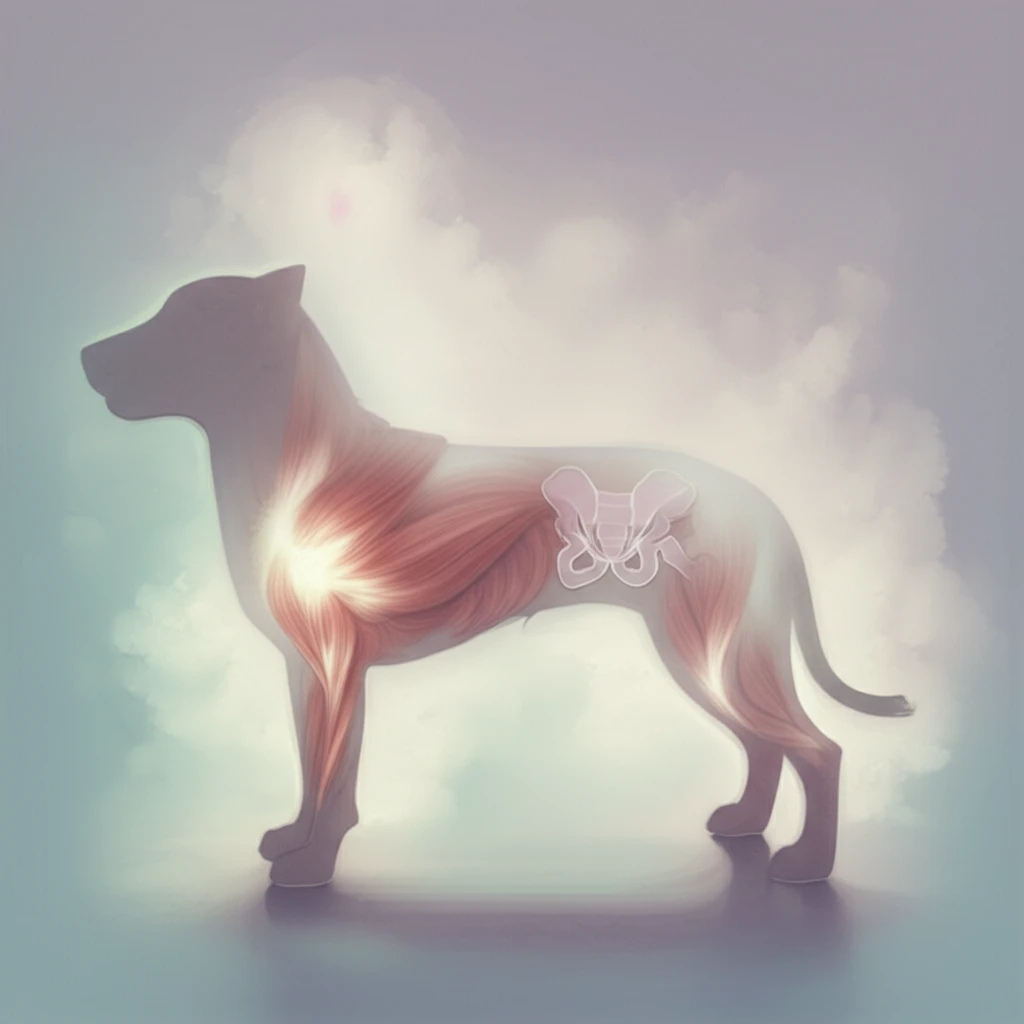
Perineal hernia (PH), a condition where abdominal or pelvic contents protrude through weakened pelvic muscles, is a common concern in dogs. This occurs due to the weakening and separation of the muscles and fascia that make up the pelvic diaphragm, allowing organs and tissues to shift, causing discomfort and potential complications for our canine companions.
Traditional treatments often involve surgical repair, but a recent study explores the use of allogeneic fascia lata – processed tissue from another dog – as a potential game-changer. This approach aims to provide a strong, biocompatible support structure to reinforce the weakened pelvic area.
This article delves into the findings of a study that investigated the effectiveness and safety of using allogeneic fascia lata in perineal hernia repair in dogs, offering insights into this innovative technique and its potential benefits for improving the lives of our furry friends.
Allogeneic Fascia Lata: A New Hope for Perineal Hernia Repair?
The study focused on evaluating the use of allogeneic fascia lata grafts in seven dogs with unilateral perineal hernias. The fascia lata was carefully sourced from deceased canine donors, ensuring they were free from infectious diseases, cancer, or collagen-related disorders. The tissue was then processed and preserved in glycerin to maintain its biocompatibility.
- Reduced Risk of Rejection: The allogeneic grafts were well-tolerated, with no signs of rejection observed in any of the dogs.
- Successful Hernia Repair: The herniorrhaphy technique proved successful in all cases, effectively repairing the perineal hernias.
- Improved Quality of Life: Within 60 days, the dogs experienced a return to normal defecation and urination patterns, with no post-surgical complications reported.
The Future of Perineal Hernia Treatment: What's Next?
This study offers a promising glimpse into the potential of allogeneic fascia lata for treating perineal hernias in dogs. The results suggest that this technique is a safe and effective alternative to traditional methods, with the added benefit of reducing the risk of rejection and improving the overall outcome for canine patients.
While the findings are encouraging, further research is needed to confirm these results and explore the long-term effects of using allogeneic fascia lata in perineal hernia repair. Larger-scale studies with more animals are essential to compare this technique with other surgical approaches and evaluate its overall advantages and disadvantages.
By continuing to investigate innovative solutions like allogeneic fascia lata, veterinary medicine can advance and find better ways to address challenging conditions like perineal hernia, ultimately improving the health and well-being of our beloved canine companions.