
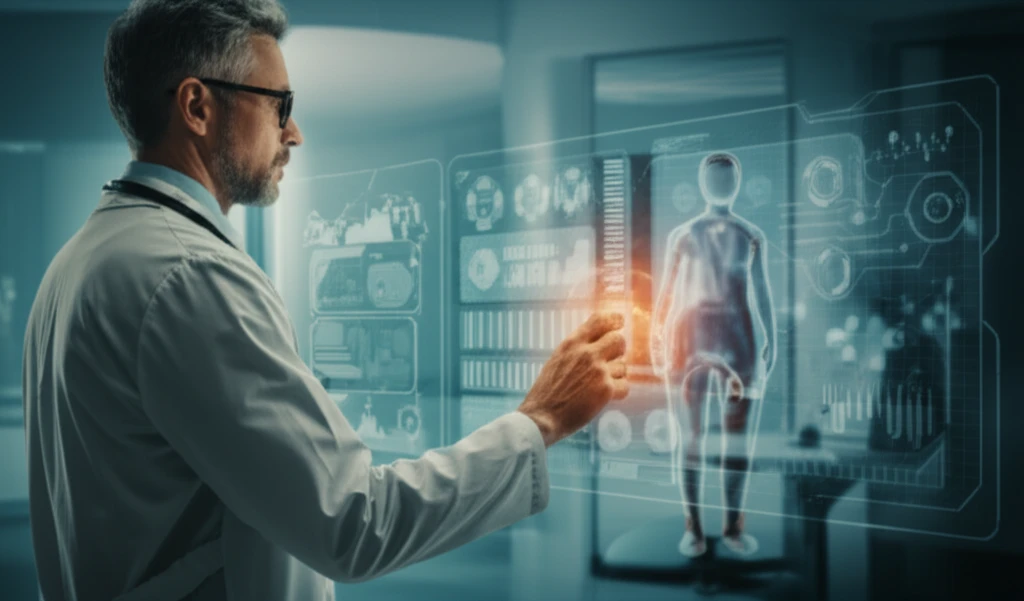
Illustration of a virtual clinic for perianal Crohn's disease, showcasing modern technology and patient-centered care.

Perianal Crohn's Disease: New Insights, Personalized Care, and How Technology is Changing the Game

"Unpacking the latest advancements in treating and managing perianal Crohn's disease, offering hope and improved quality of life."


Perianal Crohn's disease (PCD), a particularly challenging manifestation of inflammatory bowel disease (IBD), affects the area around the anus and can significantly impact a patient's quality of life. The condition often presents with complex symptoms, including fistulas, abscesses, and strictures, requiring a multidisciplinary approach to effective management. In recent years, there have been significant advancements in both the understanding and treatment of PCD, offering new hope and improved outcomes for those affected.

This article explores the latest developments in PCD management, from innovative clinic models to the use of technology for better patient care. We'll examine how virtual clinics are transforming the way patients receive care, the benefits of home-based testing, and the impact of new therapies. Our goal is to provide a clear, accessible overview of the current landscape of PCD treatment, focusing on practical insights and the latest research findings.

Understanding the complexities of PCD and the available treatment options is crucial for both patients and healthcare providers. This comprehensive guide will explore the various aspects of PCD management, highlighting the importance of personalized care and the role of technology in improving patient outcomes.

Revolutionizing Care: The Rise of Virtual Clinics and Personalized Treatment

Illustration of a virtual clinic for perianal Crohn's disease, showcasing modern technology and patient-centered care.

The traditional approach to PCD management often involves fragmented care, with patients seeing multiple specialists and navigating complex treatment plans. However, the emergence of virtual clinics has begun to transform this process, offering a more coordinated and efficient approach. These clinics bring together gastroenterologists, surgeons, and specialized nurses to provide comprehensive care in a single setting, often through virtual consultations and face-to-face appointments.

Virtual clinics streamline the assessment and treatment process. Patients can have their symptoms evaluated, imaging reviewed, and treatment plans optimized, all in a coordinated manner. This approach leads to quicker access to specialized care, reduces the need for multiple appointments, and ensures that patients receive the most appropriate treatments based on their individual needs. This coordinated approach is particularly beneficial for patients with complex PCD, where a multidisciplinary approach is crucial.

  • Improved Coordination: Virtual clinics ensure seamless communication between medical, surgical, and nursing teams.
  • Faster Interventions: Timely surgical interventions and early initiation of biologic therapies are facilitated.
  • Personalized Care: Treatments are tailored to individual patient needs and responses.
  • Efficient Assessment: Comprehensive evaluations, including clinical symptoms, radiological investigations, and biochemical markers, are conducted.
  • Enhanced Patient Experience: Patients benefit from a one-stop service, from assessment to consent and surgical pre-assessment.
The benefits of virtual clinics extend beyond improved coordination and efficiency. They also contribute to better patient outcomes and enhanced quality of life. By providing a more holistic and personalized approach to care, virtual clinics empower patients to take an active role in their treatment and make informed decisions about their health.

Embracing the Future of PCD Management

The landscape of perianal Crohn's disease management is rapidly evolving, with new technologies and treatment strategies emerging. From virtual clinics to home-based testing, these advancements offer patients and healthcare providers new tools to improve outcomes and quality of life. By staying informed about the latest developments and embracing a personalized approach to care, individuals with PCD can navigate their journey with greater confidence and hope.

About this Article -

This article was crafted using a human-AI hybrid and collaborative approach. AI assisted our team with initial drafting, research insights, identifying key questions, and image generation. Our human editors guided topic selection, defined the angle, structured the content, ensured factual accuracy and relevance, refined the tone, and conducted thorough editing to deliver helpful, high-quality information.See our About page for more information.

Everything You Need To Know

1

What are the primary challenges that individuals with Perianal Crohn's Disease (PCD) typically face?

Individuals with Perianal Crohn's Disease often face complex symptoms affecting the area around the anus, including fistulas, abscesses, and strictures. These symptoms can significantly impact their quality of life, requiring a multidisciplinary approach to effective management. Addressing these challenges requires personalized care strategies that consider the unique needs of each patient, often incorporating both medical and surgical interventions.

2

How do virtual clinics improve the management and treatment of Perianal Crohn's Disease compared to traditional approaches?

Virtual clinics transform PCD management by offering a coordinated and efficient approach that brings together gastroenterologists, surgeons, and specialized nurses to provide comprehensive care in a single setting, using both virtual consultations and face-to-face appointments. This model streamlines assessment, ensures quicker access to specialized care, reduces the need for multiple appointments, and tailors treatments to individual needs. The result is improved communication, faster interventions, and enhanced patient experience.

3

What role do personalized care strategies play in managing Perianal Crohn's Disease, and why are they important?

Personalized care strategies are crucial in PCD management because they tailor treatments to individual patient needs and responses, ensuring that each patient receives the most appropriate interventions based on their unique condition. By considering clinical symptoms, radiological investigations, and biochemical markers, healthcare providers can develop customized treatment plans that optimize outcomes and improve the patient's quality of life. This approach is particularly important given the complexity and variability of PCD.

4

In what ways does technology, such as home-based testing and virtual consultations, contribute to the evolving landscape of Perianal Crohn's Disease management?

Technology, including home-based testing and virtual consultations, plays a significant role in the evolving landscape of PCD management by offering patients and healthcare providers new tools to improve outcomes and quality of life. Virtual consultations enhance access to specialized care, while home-based testing allows for convenient monitoring of the condition. These advancements facilitate timely interventions and personalized treatment adjustments, empowering patients to take an active role in their care.

5

What are the potential long-term benefits of adopting virtual clinics and personalized treatment approaches for individuals with Perianal Crohn's Disease?

Adopting virtual clinics and personalized treatment approaches for PCD offers several potential long-term benefits, including improved coordination of care, faster interventions, and enhanced patient experience. By streamlining the assessment and treatment process, virtual clinics can lead to better patient outcomes and an improved quality of life. Personalized care strategies ensure that treatments are tailored to individual needs, optimizing their effectiveness and minimizing potential side effects. This holistic approach empowers patients to actively participate in their treatment and make informed decisions about their health, ultimately leading to better overall management of their condition.

Newsletter Subscribe

Subscribe to get the latest articles and insights directly in your inbox.