
PEG Tube Placement: Is There a Safer Way for Head and Neck Cancer Patients?

"Overtube-assisted PEG placement shows promise in reducing complications for vulnerable patients. Find out if this method could be right for you or your loved one."
For individuals facing malnutrition, especially those battling head and neck cancer (HNC), percutaneous endoscopic gastrostomy (PEG) tubes are a lifeline, providing essential nutritional support. These tubes, inserted through the skin into the stomach, ensure patients receive the nutrients they need when swallowing becomes difficult or impossible.
However, traditional PEG tube placement techniques aren't without risks, particularly for HNC patients. One concerning complication is peristomal metastasis, where cancer cells spread to the insertion site. While relatively rare, this can significantly impact prognosis.
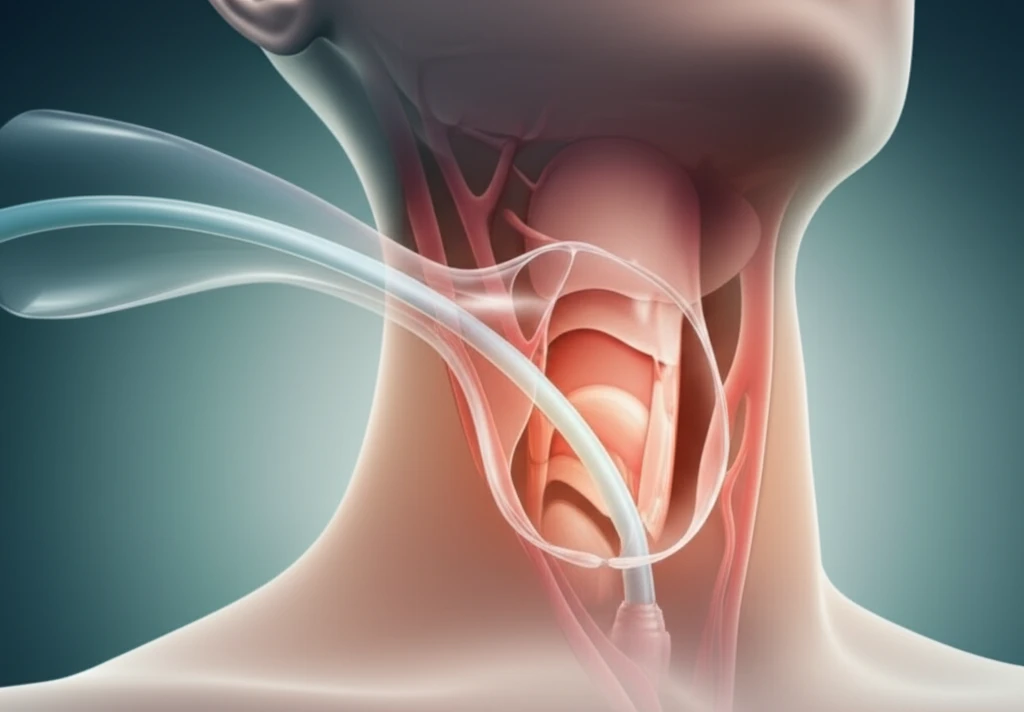
Now, a recent study investigates a modified approach: overtube-assisted PEG placement. This technique uses a protective tube during the procedure, potentially minimizing the risk of complications like peristomal metastasis. Let's delve into the findings and explore whether this method offers a safer alternative for HNC patients.
Overtube-Assisted PEG: A Shield Against Complications?
The primary concern with traditional PEG tube placement in HNC patients is the potential for tumor cells to spread during the procedure. The "pull" technique, commonly used, involves pulling the tube through the mouth and esophagus, which could dislodge malignant cells and seed them at the insertion site.
- Reduced Peristomal Infection: Overtubes prevent contact between the PEG tube and the bacteria-rich oral cavity, minimizing infection risk.
- Potentially Prevents Cutaneous Metastasis: By creating a physical barrier, the overtube reduces the chance of tumor cells implanting at the PEG site.
- Technically Feasible and Safe: Modern overtube designs and insertion techniques have made the procedure safer, minimizing the risk of complications like esophageal injury.
The Future of PEG Tube Placement for HNC Patients
The Westmead Hospital study provides valuable evidence supporting the use of overtube-assisted PEG placement in HNC patients. The researchers successfully placed PEG tubes in all 53 patients using this technique, with a low rate of complications and no observed cases of overt cutaneous metastasis during a median follow-up of 16 months.
While these findings are promising, it's important to note the study's limitations, including its retrospective design and relatively small sample size. Larger, prospective studies are needed to confirm these results and further evaluate the long-term benefits of overtube-assisted PEG placement.
For HNC patients requiring PEG tubes, discussing the potential benefits and risks of overtube-assisted placement with their healthcare team is crucial. This approach may offer a safer alternative, minimizing the risk of complications and improving overall outcomes. As research continues, overtube-assisted PEG could become the standard of care for this vulnerable patient population.