
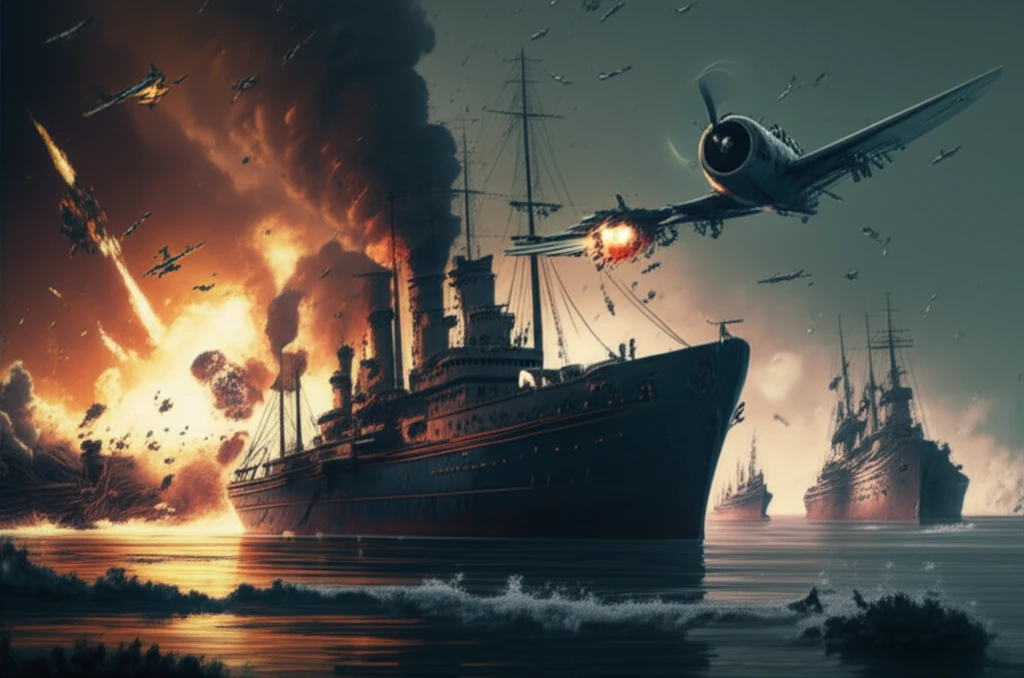
A surreal digital illustration of the Pearl Harbor attack, with battleships on fire and planes in the sky, symbolizing the chaos and historical significance of the event.

Pearl Harbor: How a Moment in History Changed the World Forever

"Unraveling the events of December 7, 1941, and their lasting impact."


The date was December 7, 1941, a day that would forever be etched in the annals of history. The tranquil morning in Hawaii was shattered by a surprise attack, as Japanese forces launched a devastating assault on the U.S. naval base at Pearl Harbor. This single event, marked by tragedy and heroism, served as a catalyst that propelled the United States into the Second World War, altering the global landscape in profound ways.

This attack was not merely a military strike; it was a turning point that reshaped international relations, spurred significant technological advancements, and indelibly marked the lives of millions. The attack on Pearl Harbor serves as a stark reminder of the fragility of peace and the far-reaching consequences of conflict.

In this article, we delve into the events leading up to that fateful day, examine the key figures involved, and explore the enduring impact of Pearl Harbor on both the United States and the world. We'll look at the strategic decisions, the human stories, and the lasting legacy of this pivotal moment in history.

The Road to War: Precursors and Provocations

A surreal digital illustration of the Pearl Harbor attack, with battleships on fire and planes in the sky, symbolizing the chaos and historical significance of the event.

The attack on Pearl Harbor did not occur in a vacuum; it was the culmination of escalating tensions and strategic miscalculations. The relationship between the United States and Japan had been deteriorating for years, fueled by Japan's expansionist policies in Asia and the Pacific.

Key factors contributing to the breakdown of relations included:

  • Japanese Expansionism: Japan's invasion of Manchuria in 1931 and subsequent aggression in China raised concerns in the U.S. about Japanese ambitions.
  • Economic Sanctions: In response to Japanese aggression, the U.S. imposed economic sanctions, including an oil embargo, which severely impacted Japan's economy and military capabilities.
  • Diplomatic Impasse: Negotiations between the U.S. and Japan failed to resolve the core issues, as both nations held firm to their strategic objectives.
These factors created a volatile atmosphere, where miscommunication, strategic errors, and escalating tensions made a military conflict increasingly likely. The attack on Pearl Harbor was, in many ways, the tragic outcome of these failed diplomatic efforts and strategic rivalries.

The Enduring Legacy of Pearl Harbor

The attack on Pearl Harbor was a defining moment in American history, marking the nation's entry into the Second World War. The events of December 7, 1941, reshaped the global landscape, leading to far-reaching consequences that continue to resonate today. From the human cost of war to the political and strategic realignments that followed, the attack on Pearl Harbor remains a crucial chapter in understanding our interconnected world. Remembering and studying this pivotal moment in history offers valuable lessons in diplomacy, strategic foresight, and the human cost of conflict.

About this Article -

This article was crafted using a human-AI hybrid and collaborative approach. AI assisted our team with initial drafting, research insights, identifying key questions, and image generation. Our human editors guided topic selection, defined the angle, structured the content, ensured factual accuracy and relevance, refined the tone, and conducted thorough editing to deliver helpful, high-quality information.See our About page for more information.

Everything You Need To Know

1

What specific event triggered the United States' entry into World War II?

The event that directly led to the United States joining World War II was the attack on Pearl Harbor by Japanese forces on December 7, 1941. This surprise military strike against the U.S. naval base in Hawaii galvanized public opinion and prompted the U.S. to declare war on Japan the following day.

2

Can you elaborate on the economic factors that contributed to the attack on Pearl Harbor?

Economic factors played a significant role in the lead-up to the attack on Pearl Harbor. Specifically, the United States imposed economic sanctions on Japan in response to its expansionist policies in Asia, particularly its aggression in China. A key sanction was an oil embargo, which severely impacted Japan's economy and military capabilities, as Japan relied heavily on the U.S. for oil imports. This economic pressure heightened tensions and was perceived by Japan as a threat to its strategic objectives, contributing to the decision to launch the attack.

3

What were the main reasons behind the deteriorating relationship between the United States and Japan before the Pearl Harbor attack?

The relationship between the United States and Japan deteriorated due to several factors, primarily Japan's expansionist policies in Asia and the Pacific. Japan's invasion of Manchuria in 1931 and its subsequent aggression in China raised significant concerns in the U.S. regarding Japan's growing ambitions. In response, the U.S. imposed economic sanctions, including an oil embargo, which further strained relations. Diplomatic negotiations failed to bridge the gap, as both nations adhered firmly to their strategic objectives, ultimately leading to the tragic attack on Pearl Harbor.

4

Beyond the immediate devastation, how did the attack on Pearl Harbor reshape global politics?

The attack on Pearl Harbor had far-reaching consequences that reshaped global politics. It marked the entry of the United States into World War II, transforming the conflict into a truly global war. The U.S.'s involvement significantly altered the balance of power, leading to the eventual defeat of the Axis powers. Post-war, the attack contributed to the reshaping of international alliances, the establishment of new global institutions, and the rise of the United States as a superpower. Furthermore, it spurred technological advancements and influenced political and strategic realignments that continue to resonate in our interconnected world today. The attack also highlighted the importance of diplomacy, strategic foresight, and the profound human cost of conflict in international relations.

5

In what ways does studying the events of Pearl Harbor offer valuable lessons for today's world?

Studying the events surrounding Pearl Harbor offers valuable lessons in diplomacy, strategic foresight, and the human cost of conflict. It underscores the importance of understanding the perspectives and strategic objectives of other nations, as well as the potential consequences of economic sanctions and failed diplomatic efforts. Analyzing the miscalculations and escalating tensions that led to the attack highlights the need for clear communication, proactive conflict resolution, and a commitment to peace. Moreover, remembering the tragedy and heroism of Pearl Harbor serves as a reminder of the enduring impact of war on individuals and societies, emphasizing the importance of preventing future conflicts. The events of Pearl Harbor are a crucial chapter in understanding our interconnected world, emphasizing the need for strategic foresight, and the profound human cost of conflict in international relations.

Newsletter Subscribe

Subscribe to get the latest articles and insights directly in your inbox.