
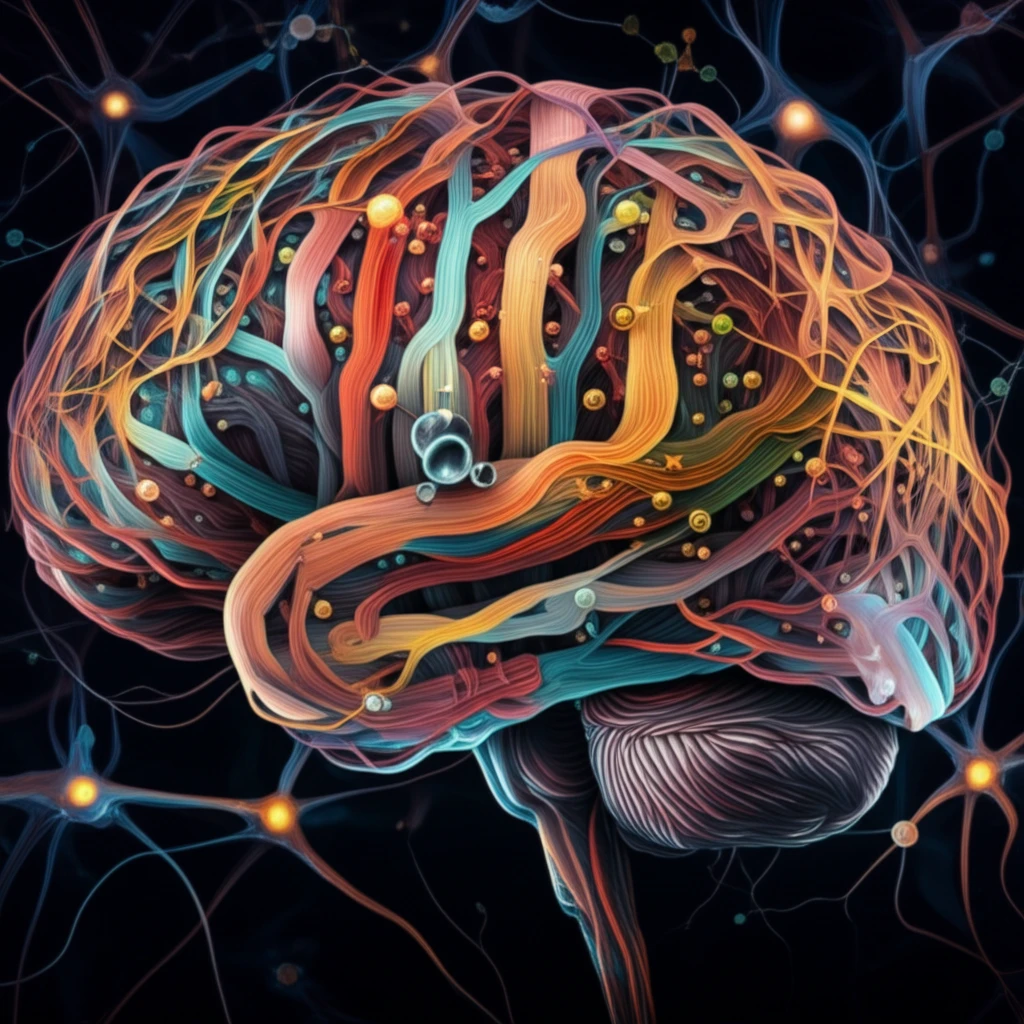
Parkinson's Puzzle: New Insights into Brain Connectivity and Medication's Role

"Decoding how Parkinson's medications impact brain circuits could revolutionize treatment and improve motor function."
Parkinson's disease, a neurodegenerative disorder affecting millions worldwide, manifests differently in each individual. While motor symptoms like tremors, rigidity, and bradykinesia (slowness of movement) are hallmarks of the disease, their severity and response to medication vary significantly. This variability has long puzzled researchers and clinicians alike.
A key area of investigation is how Parkinson's disease and its treatments impact brain connectivity – the intricate network of communication between different brain regions. While previous studies suggested that dopamine medications might simply 'normalize' disrupted brain circuits, new research is challenging this notion.
This cutting-edge research delves into the complex interplay between Parkinson's disease, medication, and brain connectivity, revealing distinct patterns associated with specific motor symptoms and offering potential pathways for more targeted and effective therapies.
Unlocking Parkinson's: How Brain Connectivity Changes With Medication
Researchers at Stanford University and INRIA Saclay (France) have employed advanced neuroimaging techniques to map brain connectivity patterns in Parkinson's patients both on and off medication. The study involved 57 Parkinson's patients and 20 healthy controls, utilizing resting-state functional MRI (fMRI) to analyze brain activity.
- Distinguishing patients ON vs OFF medication
- Identifying connections that distinguish between healthy controls vs Parkinson's
Looking Ahead: Personalized Parkinson's Treatment
This research represents a significant step forward in our understanding of Parkinson's disease and the impact of medications on brain function. By identifying specific connectivity patterns associated with different motor symptoms and medication states, researchers pave the way for personalized treatment strategies that target individual needs. Future studies may explore how these findings can be used to develop novel therapies that improve motor control and enhance the quality of life for people living with Parkinson's disease.