
Pancreatic Cancer Treatment: Can Restaging Improve Outcomes?

"Discover how objective surgical restaging after chemoradiation offers new hope for locally advanced pancreatic cancer patients, potentially improving treatment strategies and overall survival rates."
Pancreatic cancer remains one of the most challenging malignancies to treat. When the cancer is locally advanced—meaning it hasn't spread to distant organs but is too extensive for immediate surgery—the standard approach often involves a combination of chemotherapy and radiation, known as chemoradiation. The goal is to shrink the tumor, making it potentially resectable. However, determining how well the treatment has worked and whether surgery is now a viable option can be difficult.
A key challenge is accurately assessing the tumor's response to chemoradiation. Traditional imaging techniques like CT scans have limitations in detecting small metastatic lesions, often referred to as micrometastasis. These tiny clusters of cancer cells, undetectable by standard imaging, can lead to recurrence even after seemingly successful surgery. As a result, there's a need for more precise methods to evaluate the extent of the disease and guide treatment decisions.
This article explores the concept of surgical restaging after chemoradiation for locally advanced pancreatic cancer (LAPC). It delves into the arguments for and against this approach, examining how it can help refine treatment strategies, address the risk of micrometastasis, and potentially improve outcomes for patients facing this challenging disease. By understanding the nuances of restaging, patients and their families can make more informed decisions about their care.
The Role of Surgical Restaging: A Closer Look
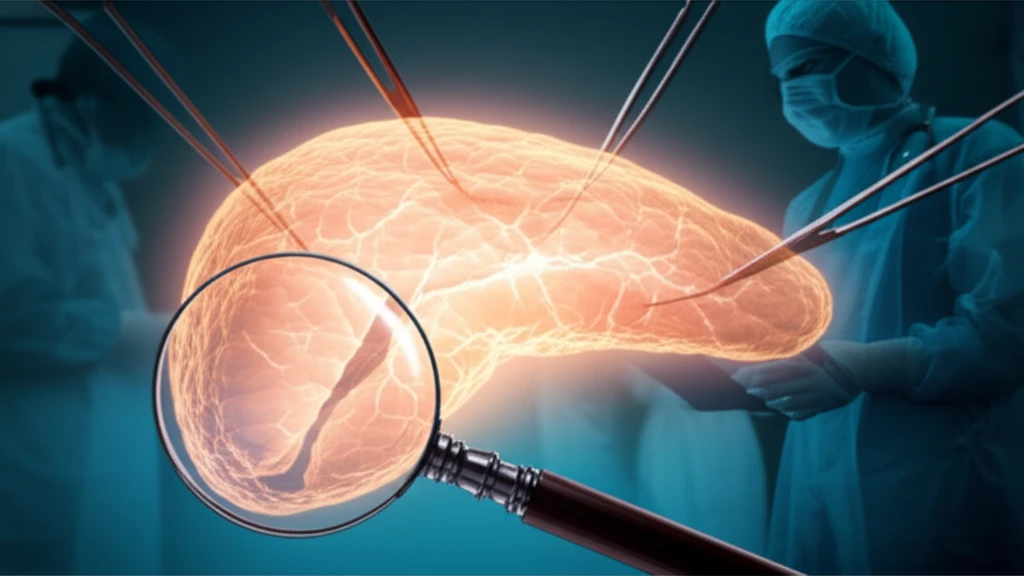
Surgical restaging involves a second surgical procedure after the initial chemoradiation treatment to reassess the tumor and the surrounding tissues. This allows surgeons to directly visualize the area, take biopsies, and determine whether the cancer is truly resectable. The primary aim is to identify any previously undetected metastatic disease, ensuring that surgery is only performed when there's a realistic chance of complete tumor removal.
- Improved Resection Rates: Neoadjuvant therapy, followed by restaging, can lead to higher R0 resection rates, meaning complete microscopic clearance of the tumor during surgery.
- Reduced Local Recurrence: Effective chemoradiation, coupled with accurate restaging, can help prevent the cancer from recurring in the same area.
- Avoidance of Unnecessary Surgery: In cases where the tumor is too aggressive or has already spread, restaging can help avoid futile operations that offer no benefit to the patient.
Moving Forward: The Need for More Evidence
While surgical restaging after chemoradiation shows promise in improving outcomes for patients with locally advanced pancreatic cancer, more research is needed to refine the approach and identify the patients who would benefit most. The role of staging laparoscopy, the optimal timing of restaging, and the best methods for detecting micrometastasis all warrant further investigation. As treatment strategies evolve, a personalized approach that takes into account the individual characteristics of each patient's cancer will be essential.