
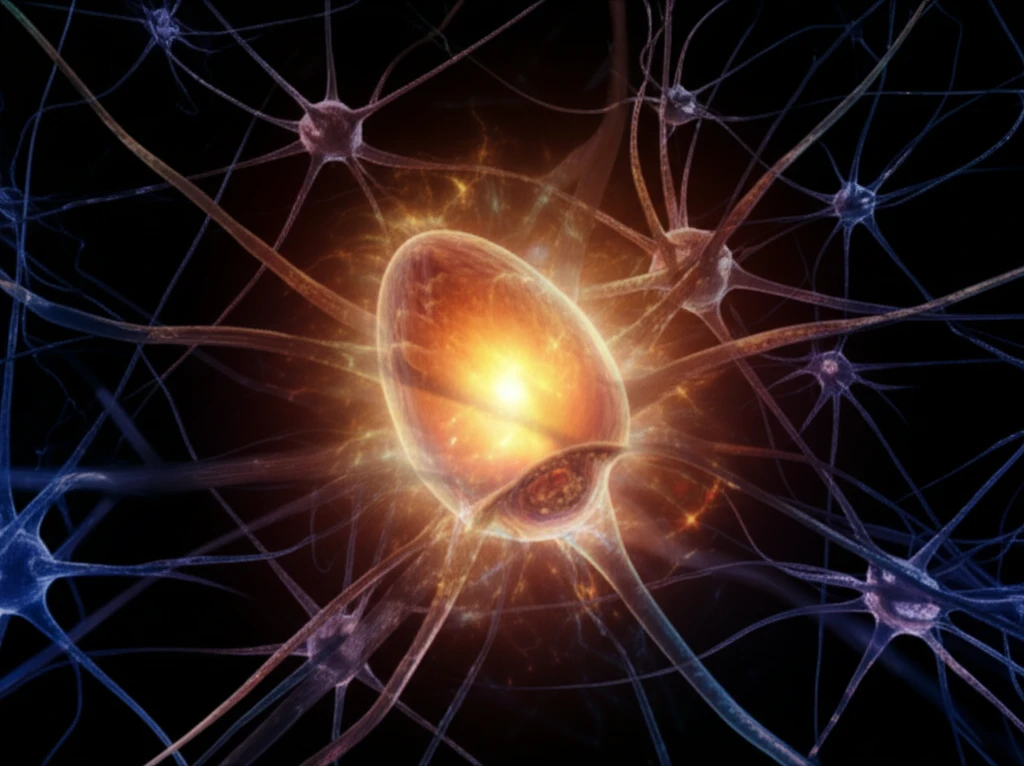
Palm Fruit Protecting Neurons

Palm Fruit Power: Can Bioactives Combat Brain Inflammation?

"New research explores how palm fruit bioactives (PFB) could revolutionize the fight against neurodegenerative diseases by modulating astrocyte activity and reducing inflammation."


Neurodegenerative diseases, including Alzheimer's and Parkinson's, are increasingly prevalent, posing a significant burden on society. A common thread in these conditions is neuroinflammation, where reactive astrocytes—key regulators in the brain—contribute to the problem. Understanding how to control astrocyte activity is crucial for developing effective treatments.

Recent studies have focused on managing dysfunctional astrogliosis in neurologic diseases, emphasizing the importance of activated astrocytes as a therapeutic target. These cells play a crucial role in both innate and adaptive immune responses by producing and releasing cytokines, chemokines, and reactive oxygen species (ROS). Dysregulated signaling pathways can disrupt the CNS immune-inflammatory network, leading to an overproduction of inflammatory molecules and reactive oxygen species by glial cells, including astrocytes.

This article will explore a new study examining the potential of palm fruit bioactives (PFB) to modulate astrocyte behavior and reduce inflammation in the brain. This innovative research offers hope for preventing and treating neurodegenerative diseases through natural compounds.

What are Palm Fruit Bioactives (PFB) and How Do They Work?

Palm Fruit Protecting Neurons

Palm Fruit Bioactives, also known as Oil Palm Phenolics (OPP), are derived from the fruit of the oil palm (Elaeis guineensis). They are extracted through mechanical crushing, steaming, and filtering. PFB is composed of various organic compounds, including protocatechuic acid, shikimic acid, p-hydroxybenzoic acid, and caffeoylshikimic acid isomers.

PFB is rich in antioxidant polyphenols, which exhibit diverse physiological, cellular, and biochemical effects. These include anti-inflammatory, antidiabetic, anticancer, anti-angiogenic, anti-hypertensive, and anti-atherosclerotic properties. Notably, PFB has shown promise in preventing dementia by inhibiting the aggregation of beta-amyloid peptide in vitro.

  • Anti-Inflammatory Action: Reduces the production of pro-inflammatory molecules.
  • Antioxidant Properties: Neutralizes harmful free radicals, reducing oxidative stress.
  • Neuroprotective Effects: Protects brain cells from damage and dysfunction.
  • Modulation of Cell Signaling: Influences key pathways involved in inflammation and cell survival.
Given these properties, researchers have been exploring PFB as a potential therapeutic agent for various conditions, particularly those involving inflammation and oxidative stress. The current study investigates the effects of PFB on reactive astrocytes, which play a central role in the neuroinflammatory state preceding neurodegenerative diseases. The study aims to uncover how PFB may modulate neuroinflammatory events associated with IL-1β-activated human astrocytes in vitro, offering insights into new prevention and treatment strategies.

The Future of PFB in Neurodegenerative Disease Treatment

The findings from this study highlight the potential of PFB as a therapeutic agent for neuroinflammatory conditions. By attenuating the production of pro-inflammatory cytokines and chemokines, reducing oxidative stress, and modulating cell adhesion molecules, PFB shows promise in protecting against neurodegenerative diseases. These results encourage further research into the clinical applications of PFB for conditions like Alzheimer's, Parkinson's, and multiple sclerosis, potentially paving the way for new preventive and therapeutic strategies.

About this Article -

This article was crafted using a human-AI hybrid and collaborative approach. AI assisted our team with initial drafting, research insights, identifying key questions, and image generation. Our human editors guided topic selection, defined the angle, structured the content, ensured factual accuracy and relevance, refined the tone, and conducted thorough editing to deliver helpful, high-quality information.See our About page for more information.

Everything You Need To Know

1

What are Palm Fruit Bioactives (PFB), and how are they extracted?

Palm Fruit Bioactives (PFB), also known as Oil Palm Phenolics (OPP), are derived from the fruit of the oil palm (Elaeis guineensis). The extraction process involves mechanical crushing, steaming, and filtering of the palm fruit. The resulting PFB is a complex mixture of organic compounds, including protocatechuic acid, shikimic acid, p-hydroxybenzoic acid, and caffeoylshikimic acid isomers.

2

How do Palm Fruit Bioactives (PFB) potentially combat neuroinflammation and neurodegenerative diseases?

Palm Fruit Bioactives (PFB) possess several properties that make them promising candidates for combating neuroinflammation. They exhibit anti-inflammatory action by reducing the production of pro-inflammatory molecules. Additionally, PFB has antioxidant properties, neutralizing harmful free radicals and reducing oxidative stress, which is a key contributor to neurodegenerative diseases. Furthermore, PFB can modulate cell signaling pathways, potentially influencing inflammation and cell survival, and has shown neuroprotective effects by protecting brain cells from damage and dysfunction. Specifically, studies are examining how PFB can modulate astrocyte behavior, the key regulators in the brain, to reduce inflammation and potentially prevent diseases such as Alzheimer's and Parkinson's.

3

What role do astrocytes play in the context of neurodegenerative diseases, and how does PFB interact with them?

Astrocytes play a crucial role in the brain's immune response and are key regulators. In neurodegenerative diseases, reactive astrocytes become activated and contribute to neuroinflammation, which worsens disease progression. They produce and release cytokines, chemokines, and reactive oxygen species (ROS), which can disrupt the CNS immune-inflammatory network. Palm Fruit Bioactives (PFB) are being studied for their ability to modulate astrocyte behavior, specifically in how they interact with the inflammatory events associated with IL-1β-activated human astrocytes. By modulating astrocyte activity, PFB aims to reduce inflammation and potentially protect against the damage caused by neurodegenerative processes.

4

What are the key benefits of Palm Fruit Bioactives (PFB)?

Palm Fruit Bioactives (PFB) offer several key benefits due to their unique composition and properties. They have anti-inflammatory effects, reducing the production of pro-inflammatory molecules. PFB is rich in antioxidant polyphenols, which neutralize harmful free radicals, thereby reducing oxidative stress. The neuroprotective effects of PFB help protect brain cells from damage and dysfunction. Moreover, PFB modulates key cell signaling pathways, influencing inflammation and cell survival. These diverse properties make PFB a promising therapeutic agent for conditions characterized by inflammation and oxidative stress, such as neurodegenerative diseases.

5

What is the future outlook for Palm Fruit Bioactives (PFB) in the treatment of neurodegenerative diseases like Alzheimer's and Parkinson's?

The future outlook for Palm Fruit Bioactives (PFB) in treating neurodegenerative diseases is promising. Research indicates that PFB can attenuate the production of pro-inflammatory cytokines and chemokines, reduce oxidative stress, and modulate cell adhesion molecules, which are critical factors in the progression of these diseases. This suggests that PFB could offer protection against neurodegenerative diseases such as Alzheimer's, Parkinson's, and multiple sclerosis. Further research is encouraged to explore the clinical applications of PFB, potentially leading to new preventive and therapeutic strategies. This research could pave the way for novel treatments focusing on natural compounds to manage and potentially prevent neurodegenerative conditions.

Newsletter Subscribe

Subscribe to get the latest articles and insights directly in your inbox.