
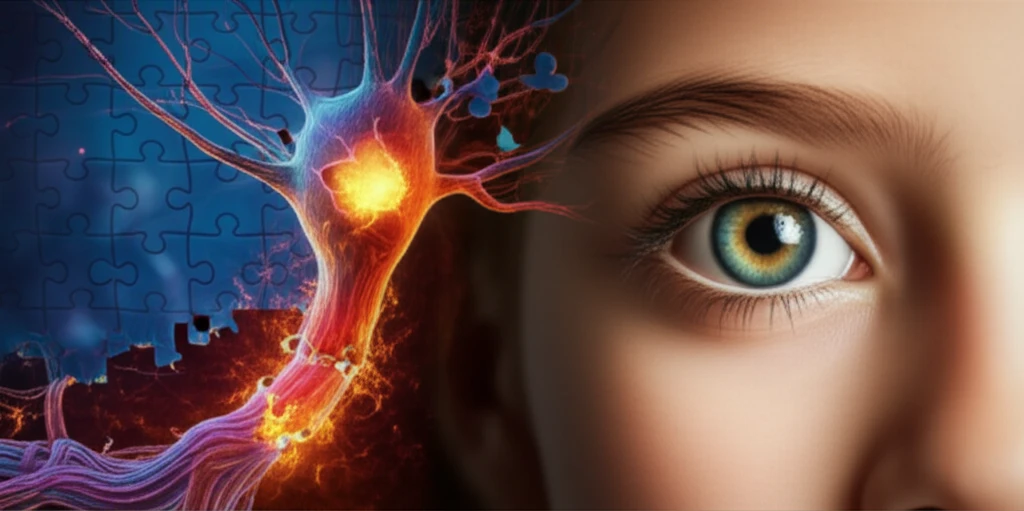
Surreal illustration of an inflamed optic nerve affecting a child's vision, symbolizing optic neuritis.

Optic Neuritis in Children: Understanding the Signs, Symptoms, and Treatments

"A comprehensive guide to optic neuritis in children, covering causes, symptoms, diagnosis, treatment options, and long-term outcomes."


Optic neuritis, an inflammatory condition affecting the optic nerve, can present unique challenges when it occurs in children. Unlike adults, where optic neuritis is often linked to multiple sclerosis (MS), the causes and characteristics in children can vary significantly. Early recognition and appropriate management are crucial to preserving a child's vision and overall neurological health.

While optic neuritis in adults is often unilateral (affecting one eye), children are more prone to bilateral optic neuritis, impacting both eyes simultaneously. This can lead to a more pronounced visual impairment, making prompt diagnosis and intervention even more critical. Additionally, children may experience optic neuritis following viral infections or vaccinations, suggesting a different underlying mechanism compared to adult cases.

This article aims to provide a comprehensive overview of optic neuritis in children, drawing upon the latest research and clinical insights. We'll explore the distinct features of this condition in young patients, including common symptoms, diagnostic approaches, treatment strategies, and the potential association with multiple sclerosis. Understanding these aspects is essential for parents, caregivers, and healthcare professionals to ensure the best possible outcomes for children affected by optic neuritis.

What Are the Key Signs and Symptoms of Optic Neuritis in Children?

Surreal illustration of an inflamed optic nerve affecting a child's vision, symbolizing optic neuritis.

Recognizing the symptoms of optic neuritis early is essential for prompt diagnosis and treatment. While symptoms can vary from child to child, some common indicators include:

One of the most prominent symptoms is a sudden decrease in vision, which can range from mild blurring to significant vision loss. Parents might notice their child struggling to see objects at a distance or having difficulty with reading and other close-up activities.

  • Vision Loss: Sudden decrease in vision in one or both eyes.
  • Eye Pain: Discomfort or pain in the eye, often worsened by eye movement.
  • Color Vision Changes: Difficulty distinguishing colors, or colors appearing less vibrant.
  • Visual Field Defects: Blind spots or missing areas in the field of vision.
  • Pupillary Response: Abnormal pupillary reaction to light.
It's important to note that young children may not be able to articulate their symptoms clearly. Parents and caregivers should be attentive to any signs of visual difficulty or changes in behavior that might suggest a vision problem. If you notice any of these symptoms in your child, seeking immediate medical attention from an ophthalmologist or neurologist is crucial.

What Is the Long-Term Outlook for Children with Optic Neuritis?

The long-term prognosis for children with optic neuritis varies depending on several factors, including the underlying cause, the severity of the initial attack, and the presence of other neurological conditions like multiple sclerosis. While some children experience a full recovery of vision, others may have some residual visual impairment. Regular follow-up with an ophthalmologist and neurologist is essential to monitor vision and neurological status and to manage any potential complications.

About this Article -

This article was crafted using a human-AI hybrid and collaborative approach. AI assisted our team with initial drafting, research insights, identifying key questions, and image generation. Our human editors guided topic selection, defined the angle, structured the content, ensured factual accuracy and relevance, refined the tone, and conducted thorough editing to deliver helpful, high-quality information.See our About page for more information.

This article is based on research published under:

DOI-LINK: 10.3341/kjo.2011.25.2.116, Alternate LINK

Title: The Clinical Characteristics Of Optic Neuritis In Korean Children

Subject: General Medicine

Journal: Korean Journal of Ophthalmology

Publisher: Korean Ophthalmological Society

Authors: Dong Hyun Jo, Seong-Joon Kim, Jong Hee Chae, Young Suk Yu

Published: 2011-01-01

Everything You Need To Know

1

What is optic neuritis in children?

Optic neuritis in children is an inflammatory condition affecting the optic nerve, which is responsible for transmitting visual information from the eye to the brain. In children, the causes and characteristics of optic neuritis can differ from adults, where it is often associated with multiple sclerosis. Prompt diagnosis and treatment are essential to preserve a child's vision and neurological health. It's critical for parents and caregivers to understand this condition to ensure the best outcomes for affected children.

2

What are the common symptoms of optic neuritis in children?

The key signs and symptoms include a sudden decrease in vision, eye pain that worsens with eye movement, color vision changes where colors appear less vibrant, visual field defects like blind spots, and abnormal pupillary response to light. Young children may struggle to articulate these symptoms, so parents should watch for any signs of visual difficulty. Immediate medical attention from an ophthalmologist or neurologist is crucial upon noticing any of these indicators to prevent further vision impairment.

3

How does optic neuritis in children differ from adults?

Unlike adults, children are more likely to experience bilateral optic neuritis, which affects both eyes at once, leading to more pronounced visual impairment. Children may also develop optic neuritis after viral infections or vaccinations. These differences highlight the need for specific diagnostic approaches and management strategies that are tailored to the pediatric population. Understanding these distinctions is crucial for providing appropriate care and improving outcomes.

4

What is the long-term outlook for children with optic neuritis?

The long-term outlook for children with optic neuritis varies based on factors like the underlying cause and the initial attack's severity. Some children recover fully, while others may have some residual visual impairment. It's essential to have regular follow-ups with both an ophthalmologist and a neurologist to monitor vision, neurological status, and manage potential complications. Regular monitoring helps ensure any issues are addressed quickly.

5

How is optic neuritis in children typically treated?

Optic neuritis in children is treated to reduce inflammation and protect vision. Treatment strategies may involve corticosteroids to reduce inflammation of the optic nerve and potentially intravenous steroids. The specific course of treatment will depend on the child's condition, the severity of the symptoms, and the underlying cause. The goal of treatment is to speed up recovery and prevent long-term vision loss. Early and effective intervention can significantly improve a child's chances of a full recovery.

Newsletter Subscribe

Subscribe to get the latest articles and insights directly in your inbox.