
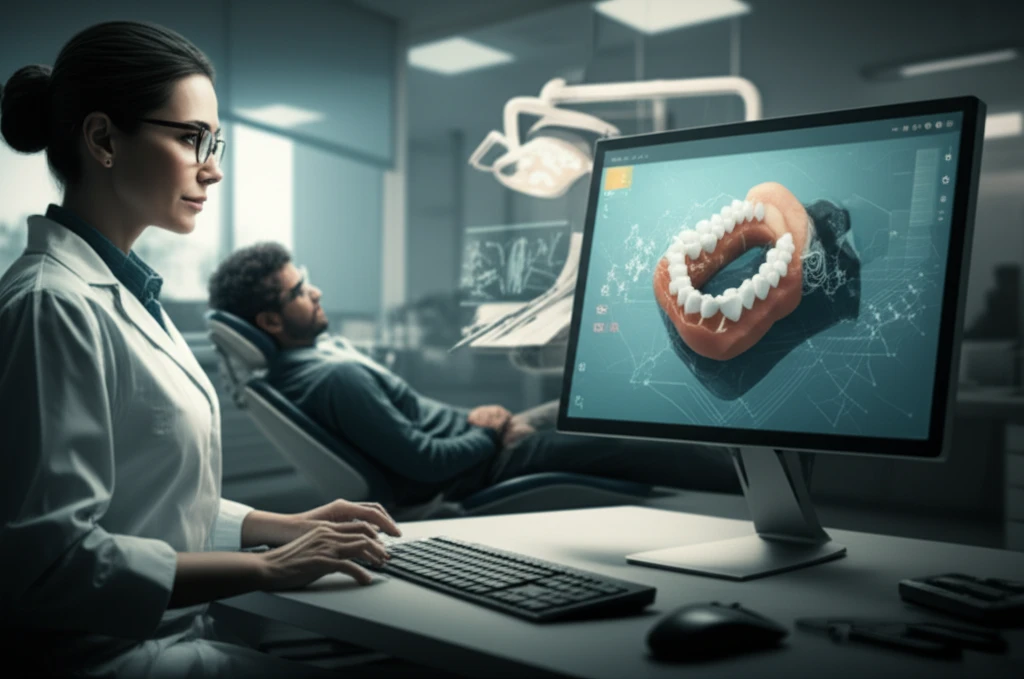
A futuristic dental office scene with a dentist using open-source software on a computer, representing innovation and accessibility in modern dental care.

Open-Source Software in Dentistry: Is It the Future of Oral Healthcare?

"Exploring the Rise of Free Software in Dental Practice: Benefits, Challenges, and the Impact on Patient Care"


In an era of rapid technological advancement, the healthcare industry is witnessing a digital revolution, and dentistry is no exception. Commercial software has long been the mainstay of dental practices, but the emergence of open-source software (OSS) presents a compelling alternative. OSS, with its promise of cost reduction, customization, and community-driven innovation, is poised to reshape how dentists manage patient data, perform diagnostics, and deliver care. However, with the rise of this new software, come questions on whether it is sustainable.

This article delves into the world of open-source software in dentistry, exploring its potential to revolutionize oral healthcare. We will investigate the benefits OSS offers to dental practitioners, including reduced costs and increased flexibility. We will also delve into the challenges, such as the need for robust validation and the potential for fragmented support, that must be addressed to ensure its widespread adoption. This article aims to provide a comprehensive overview of the current state of OSS in dentistry and offer insights into its future.

Whether you're a dental professional looking to optimize your practice or a patient interested in understanding the latest advancements in oral healthcare, this exploration of open-source software in dentistry will provide valuable insights. Join us as we unravel the complexities and potential of this transformative technology, offering a glimpse into the future of dental care.

Unveiling the Benefits: Why Open-Source Software is Gaining Traction in Dentistry

A futuristic dental office scene with a dentist using open-source software on a computer, representing innovation and accessibility in modern dental care.

The appeal of open-source software in dentistry is multifaceted, offering several advantages over traditional commercial solutions. One of the most significant benefits is the potential for cost reduction. OSS is often available at little to no cost, eliminating the need for expensive licensing fees and subscriptions. This affordability makes it an attractive option, particularly for smaller practices and those in resource-constrained environments.

Beyond cost savings, open-source software offers a high degree of customization. Dental professionals can tailor software to meet the specific needs of their practices. This flexibility allows for the integration of specialized tools, workflows, and data management systems that commercial software may not provide. This ability to adapt the software to individual requirements fosters a more efficient and patient-centric approach to care.

  • Reduced Costs: Eliminates licensing fees and subscriptions.
  • Customization: Tailors software to the specific needs of a practice.
  • Community Support: Benefits from collaborative development and shared knowledge.
  • Transparency: Allows for examination and modification of the source code.
  • Innovation: Fosters rapid development and the integration of cutting-edge technologies.
Moreover, open-source software often benefits from a collaborative community. Developers, users, and researchers worldwide contribute to the software's improvement, leading to rapid advancements and the availability of comprehensive support. This collaborative model fosters transparency and innovation, ensuring that the software remains up-to-date with the latest technologies and best practices.

The Future of OSS in Dentistry: Embracing Innovation and Enhancing Patient Care

As open-source software continues to evolve, it holds immense promise for the future of dentistry. By embracing innovation, fostering collaboration, and prioritizing patient needs, the dental community can harness the power of OSS to create a more efficient, accessible, and patient-centric healthcare system. As technology continues to advance, OSS is poised to play a pivotal role in shaping the future of oral healthcare, offering dentists and patients alike a brighter, more innovative tomorrow.

About this Article -

This article was crafted using a human-AI hybrid and collaborative approach. AI assisted our team with initial drafting, research insights, identifying key questions, and image generation. Our human editors guided topic selection, defined the angle, structured the content, ensured factual accuracy and relevance, refined the tone, and conducted thorough editing to deliver helpful, high-quality information.See our About page for more information.

Everything You Need To Know

1

What are the primary advantages of using open-source software in a dental practice compared to commercial options?

Open-source software offers several advantages, most notably, reduced costs by eliminating licensing fees and subscriptions. It also provides a high degree of customization, allowing dental professionals to tailor the software to their specific needs, workflows, and data management systems. Additionally, open-source software benefits from community support, fostering transparency and innovation through collaborative development and shared knowledge. One element not addressed is the learning curve and training time for staff transitioning to new software.

2

How does the community-driven nature of open-source software contribute to its reliability and advancement in the field of dentistry?

The collaborative community of developers, users, and researchers associated with open-source software ensures continuous improvement, rapid advancements, and comprehensive support. This collaborative model fosters transparency, allowing for examination and modification of the source code, and innovation, ensuring the software remains current with the latest technologies and best practices in dentistry. However, the cohesiveness and coordination within the community is not explicitly mentioned, which can impact the speed and direction of software development.

3

In what ways can open-source software be customized to meet the unique requirements of a dental practice?

Open-source software can be tailored to meet specific practice needs by integrating specialized tools, customizing workflows, and adapting data management systems. This flexibility allows dental professionals to create patient-centric approaches to care that commercial software might not provide. However, it's important to remember that extensive customization might require technical expertise or dedicated IT support, which could introduce additional costs.

4

What impact could the adoption of open-source software have on the accessibility and cost of dental care for patients?

By reducing costs for dental practices through the elimination of licensing fees, open-source software can contribute to more affordable dental care for patients. The cost savings enable practices, particularly smaller ones and those in resource-constrained environments, to allocate resources more efficiently, potentially lowering the financial burden on patients. Increased adoption, however, is contingent on addressing challenges like validation and fragmented support to ensure reliability and safety.

5

What are the possible implications of open-source software (OSS) on patient data management and security within dental practices, and how does it compare to commercial software in this regard?

Open-source software allows for greater transparency in data management, as the source code can be examined for security vulnerabilities. The collaborative nature of open-source projects can also lead to quicker identification and resolution of security issues, potentially enhancing data protection. However, the responsibility for implementing robust security measures and adhering to regulations like HIPAA ultimately rests on the dental practice, regardless of whether they use open-source or commercial software. Commercial options often come with built-in security features and vendor support for compliance, which may require additional effort to replicate with OSS. Evaluating the long-term maintenance and updates, including security patches, is crucial for any software choice.

Newsletter Subscribe

Subscribe to get the latest articles and insights directly in your inbox.