
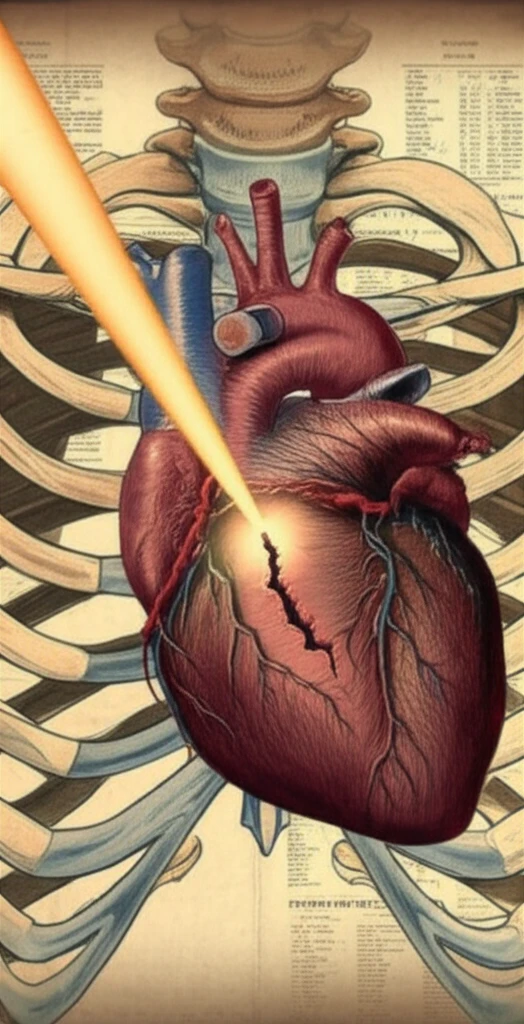
Illustration of a heart with a rupture inside a ribcage, symbolizing blunt force trauma.

One Punch: How a Single Blow Can Cause Fatal Heart Rupture

"A forensic case study reveals the surprising vulnerability of the heart to blunt trauma, even without visible external injuries."


The human body, resilient as it may seem, holds vulnerabilities that can sometimes defy our expectations. While we often associate severe injuries with high-impact events like car accidents or falls, a lesser-known danger lurks in the form of blunt cardiac injury (BCI). This condition, ranging from minor electrical disturbances to life-threatening cardiac rupture, challenges our understanding of trauma and its potential consequences.

Most often, BCI is seen after high-energy events. But what happens when a seemingly innocuous blow to the chest results in catastrophic damage? A recent case study published in the Journal of Forensic Sciences explores just such a scenario, shedding light on the potential for a single, focused impact to cause fatal cardiac rupture, even in the absence of widespread external trauma.

This article will delve into this fascinating case, breaking down the medical findings and offering insights into how such a rare and devastating injury can occur. It underscores the importance of remaining vigilant about even seemingly minor chest injuries, especially in young individuals.

The Autopsy Case: A Single Knee Kick, a Fatal Rupture

Illustration of a heart with a rupture inside a ribcage, symbolizing blunt force trauma.

The case revolves around a high school boy who, during an altercation on a train, received a single knee kick to the chest from a larger individual. While the immediate aftermath seemed manageable, the boy soon collapsed and was rushed to the hospital. Upon arrival, he experienced cardiopulmonary arrest, leading to emergency surgery. Sadly, despite medical intervention, he passed away 48 hours later.

The subsequent forensic autopsy revealed a shocking truth: a 7-cm V-shaped laceration on the side wall of the right ventricle. This severe cardiac rupture was the cause of death. Even more surprising, the autopsy found minimal external trauma beyond a small bruise on the back of his head and some internal hemorrhaging. The other thoracic organs were remarkably unharmed.

Here's a breakdown of the key findings:
  • Single knee kick to the lower chest during an altercation.
  • Initial cardiopulmonary arrest upon arrival at the hospital.
  • Emergency thoracotomy revealed a right ventricular rupture.
  • Minimal external injuries besides a small head bruise and surgical incision.
  • Internal examination showed right intercostal hemorrhage and incomplete rib fractures (likely from resuscitation efforts).
  • Histological examination confirmed myocardial rupture, contraction bands, and inflammatory cells around the laceration.
The case underscores the idea that a focused blow, even without significant external signs, can generate enough force to rupture the heart. Microscopic analysis supported the acute nature of the rupture, showing tissue damage consistent with a sudden, traumatic event.

Why This Matters: Recognizing the Subtle Dangers

This case serves as a stark reminder that appearances can be deceiving. The absence of obvious external injuries should not lead to complacency, especially after a blow to the chest. While cardiac rupture from a single blow is rare, this case illustrates the potential for such an event, urging medical professionals and the public alike to remain vigilant about even seemingly minor chest trauma, particularly in younger individuals whose more pliable chest walls offer less protection. A seemingly minor incident can have catastrophic consequences and also reminds us to think twice before engaging in violent behaviors.

About this Article -

This article was crafted using a human-AI hybrid and collaborative approach. AI assisted our team with initial drafting, research insights, identifying key questions, and image generation. Our human editors guided topic selection, defined the angle, structured the content, ensured factual accuracy and relevance, refined the tone, and conducted thorough editing to deliver helpful, high-quality information.See our About page for more information.

Everything You Need To Know

1

What is meant by "blunt cardiac injury" and why is it important to understand?

Blunt cardiac injury (BCI) refers to a range of heart injuries resulting from blunt force trauma to the chest. These injuries can vary from minor electrical disturbances to severe and life-threatening conditions such as cardiac rupture. It's significant because it highlights how even seemingly minor chest trauma can have serious consequences for the heart. BCI often occurs in high-impact events but can also arise from less obvious blows, making awareness and vigilance crucial.

2

What is "cardiac rupture" and why is it so dangerous in the context of chest injuries?

Cardiac rupture is a severe and often fatal injury involving a tear in the heart wall. In the context of blunt cardiac injury, cardiac rupture can occur even without significant external injuries, as demonstrated by the case study. The implications are grave because a rupture can lead to rapid blood loss, cardiopulmonary arrest, and ultimately, death. This emphasizes the heart's vulnerability and the need for immediate medical attention following any chest trauma.

3

What is a "forensic autopsy" and why is it helpful in cases of blunt force trauma to the chest?

The forensic autopsy is a post-mortem examination conducted to determine the cause and manner of death, especially in cases of suspected trauma or foul play. In cases of blunt cardiac injury, a forensic autopsy is essential for identifying internal injuries like cardiac rupture that may not be apparent externally. The microscopic analysis done during autopsy is vital because it can confirm the acute nature of the rupture, showing tissue damage consistent with a sudden traumatic event.

4

What does "cardiopulmonary arrest" mean and how does it relate to cardiac rupture?

Cardiopulmonary arrest is the sudden cessation of heart and lung function, leading to a lack of oxygen supply to the brain and other vital organs. In the context of a blunt cardiac injury leading to cardiac rupture, cardiopulmonary arrest is a critical and life-threatening event. It underscores the severity of the injury and the need for immediate resuscitation efforts. Cardiopulmonary arrest can quickly lead to irreversible organ damage and death if not promptly addressed.

5

What is the significance of the case involving the high school boy and the knee kick to the chest?

The case of the high school boy underscores that even a single, focused blow to the chest can cause fatal cardiac rupture, even in the absence of widespread external trauma. It highlights the importance of recognizing subtle signs of chest trauma, particularly in young individuals whose more pliable chest walls offer less protection. The implications are that even seemingly minor incidents should be taken seriously, and prompt medical evaluation is crucial to prevent catastrophic outcomes.

Newsletter Subscribe

Subscribe to get the latest articles and insights directly in your inbox.