
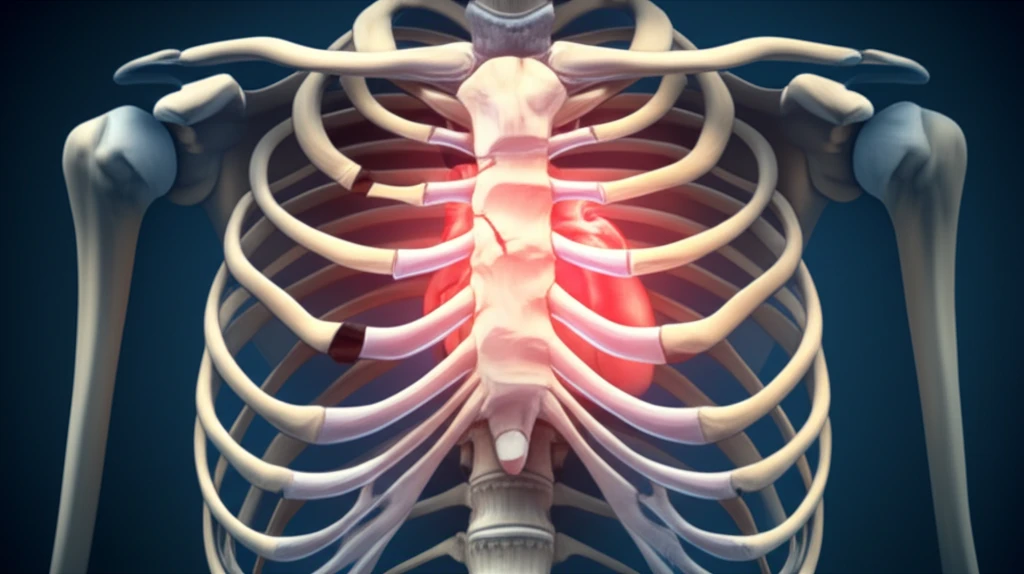
Fragile heart protected by a cracked rib cage, symbolizing blunt chest trauma.

One Punch Can Kill: The Silent Danger of Blunt Chest Trauma

"A seemingly minor chest injury can lead to severe cardiac rupture, even without visible external signs. Here's what you need to know to protect yourself and your loved ones."


We often associate severe internal injuries with high-impact events like car crashes or significant falls. However, a lesser-known danger lurks in the form of blunt cardiac injury (BCI) caused by seemingly minor chest trauma. While most people might brush off a blow to the chest, thinking it's just a temporary pain, this type of injury can sometimes lead to severe, life-threatening conditions, including cardiac rupture.

Cardiac rupture, a tear in the heart muscle, is a critical condition usually linked to high-energy trauma. However, a recent case highlights the possibility of this injury occurring from a single blow to the chest, even when there are no apparent external injuries. This underscores the importance of understanding the potential risks and seeking immediate medical attention when chest trauma occurs.

This article delves into a concerning case study that illuminates the potential severity of blunt chest trauma, emphasizing the need for heightened awareness and prompt medical evaluation. Understanding the mechanisms, recognizing the subtle signs, and knowing when to seek help can be life-saving.

The Case: A Deadly Knee Kick

Fragile heart protected by a cracked rib cage, symbolizing blunt chest trauma.

The study details the tragic case of a high school boy who, during an altercation on a train, received a single knee kick to the chest. Despite the seemingly isolated nature of the injury, he developed cardiopulmonary arrest shortly after arriving at the hospital. Emergency surgery revealed a significant rupture in his right ventricle, the heart's lower right chamber responsible for pumping blood to the lungs. Despite medical intervention, the young man died approximately 48 hours later.

What makes this case particularly alarming is the lack of external injuries. The autopsy revealed only a small bruise on the back of his head and no other significant trauma to the chest area. The absence of visible signs underscores the difficulty in assessing the severity of blunt chest trauma based solely on external examination. This case illustrates that the force from a single blow to the chest can generate enough internal pressure to cause a cardiac rupture, even without any broken ribs or a visibly contorted body shape.

  • Single Impact, Severe Damage: A single knee kick led to a fatal cardiac rupture.
  • Hidden Injuries: No severe external trauma was initially apparent.
  • Internal Hemorrhage: The autopsy revealed bleeding within the chest cavity and around the heart.
  • Right Ventricle Rupture: The primary injury was a significant tear in the wall of the right ventricle.
Microscopic analysis of the heart tissue revealed rupture, contraction bands, and inflammatory cells around the laceration, confirming the severity of the injury at a cellular level. Further examination showed signs of ischemic necrosis in the liver and hypoxic-ischemic encephalopathy in the brain, indicating the body was deprived of oxygen due to the trauma. Ultimately, the cause of death was determined to be cardiac rupture due to homicide.

Protecting Yourself and Others

This case serves as a stark reminder that even seemingly minor chest injuries should be taken seriously. The absence of external signs does not negate the possibility of severe internal damage. If you or someone you know experiences a blow to the chest, seek immediate medical attention, even if there are no apparent injuries. Early diagnosis and intervention can significantly improve outcomes and potentially save lives. Raising awareness about the potential dangers of blunt chest trauma and promoting prompt medical evaluation can help prevent future tragedies. Remember, one punch can kill, but knowledge and awareness can save lives.

About this Article -

This article was crafted using a human-AI hybrid and collaborative approach. AI assisted our team with initial drafting, research insights, identifying key questions, and image generation. Our human editors guided topic selection, defined the angle, structured the content, ensured factual accuracy and relevance, refined the tone, and conducted thorough editing to deliver helpful, high-quality information.See our About page for more information.

Everything You Need To Know

1

What is blunt chest trauma, and why is it so dangerous?

Blunt chest trauma refers to injuries to the chest caused by a direct impact, such as a kick or a fall, without penetrating the skin. It's dangerous because it can lead to severe internal injuries, particularly to the heart. A single blow can cause a cardiac rupture, which is a tear in the heart muscle. The risk is compounded because the external signs of injury may be minimal, making it difficult to assess the severity of the damage without medical evaluation. The primary concern is the potential for life-threatening conditions, including cardiac rupture and internal hemorrhage, even when there are no visible external injuries.

2

How can a seemingly minor injury, like a knee kick to the chest, result in a cardiac rupture?

A knee kick to the chest can generate enough force to cause a cardiac rupture. The impact can create significant internal pressure within the chest cavity, leading to a tear in the heart muscle. In the described case, the force from the single blow was sufficient to rupture the right ventricle, the heart's lower right chamber. The absence of broken ribs or external contusions does not diminish the potential for severe internal damage. The rupture causes internal bleeding and can quickly lead to cardiopulmonary arrest and death.

3

What are the subtle signs of blunt chest trauma that one should watch out for, and why are they important?

The subtle signs of blunt chest trauma can be difficult to recognize due to the potential absence of external injuries. However, any chest pain or discomfort following a blow should be considered a warning sign. Other signs could include shortness of breath, rapid heartbeat, or changes in skin color. These symptoms may indicate internal damage, such as internal hemorrhage or a potential cardiac rupture. It's important to seek immediate medical attention if any of these signs are present after chest trauma, as early diagnosis and intervention can significantly improve outcomes.

4

What happens during a cardiac rupture, and what are the implications of this condition?

A cardiac rupture is a tear in the heart muscle, which can result from blunt chest trauma. In the described case, the right ventricle suffered the rupture. The tear leads to internal bleeding, as blood leaks from the heart into the chest cavity. This causes a decrease in the heart's ability to pump blood effectively, which can quickly lead to cardiopulmonary arrest. Implications of cardiac rupture include the potential for severe complications such as internal hemorrhage, oxygen deprivation, and death. The speed of diagnosis and intervention, including emergency surgery, is critical to survival.

5

What preventative measures can be taken to protect oneself from the dangers of blunt chest trauma, and what should you do if it occurs?

Preventative measures primarily involve avoiding situations that could lead to chest trauma, such as altercations or high-impact activities. Awareness is key, recognizing that even seemingly minor chest injuries require careful consideration. If you or someone you know experiences a blow to the chest, the most important action is to seek immediate medical attention. Do not dismiss any chest pain or discomfort. Early diagnosis and intervention can be life-saving. Raising awareness about the potential dangers of blunt chest trauma can also help prevent future tragedies.

Newsletter Subscribe

Subscribe to get the latest articles and insights directly in your inbox.