
OHVIRA Syndrome: Understanding This Rare Mullerian Duct Anomaly

"Decoding the complexities, symptoms, and treatment options for OHVIRA syndrome, empowering patients and families with knowledge and support."
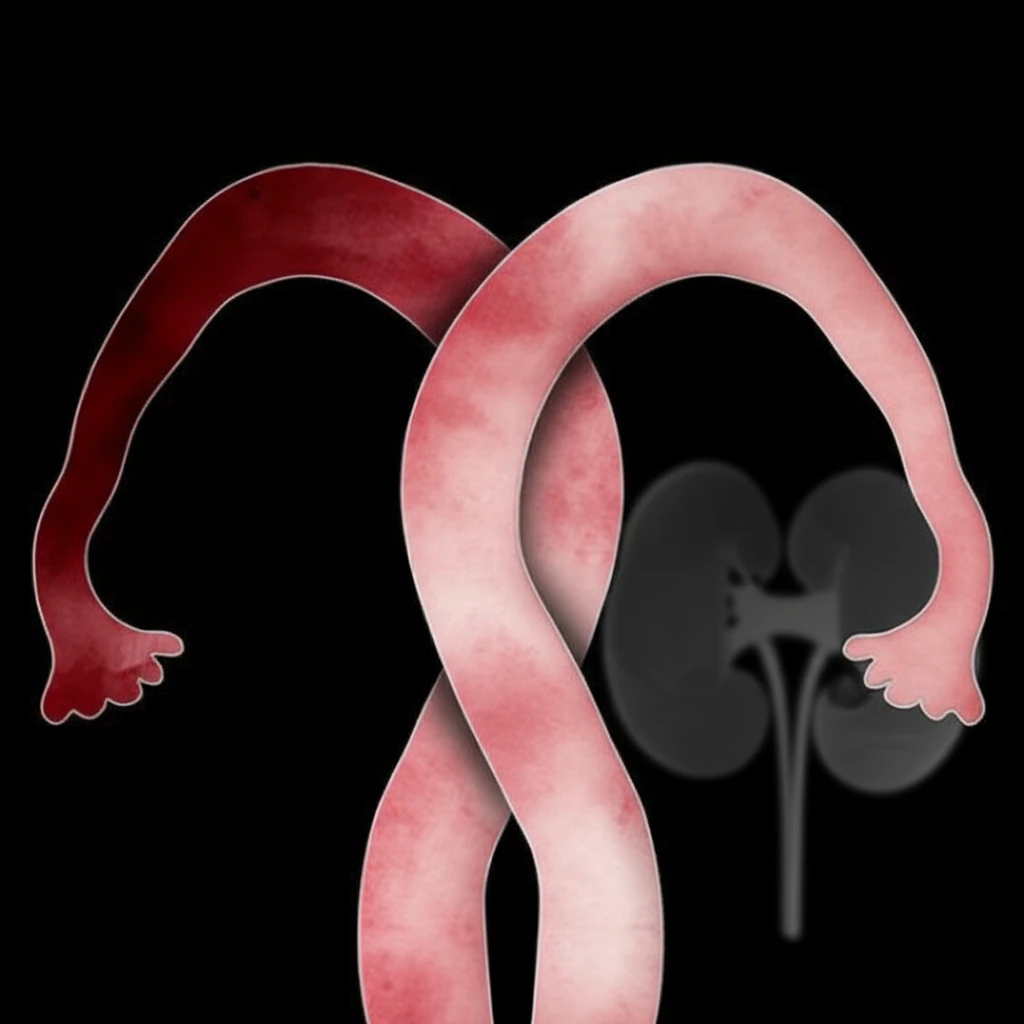
OHVIRA syndrome, also known as Herlyn-Werner-Wunderlich (HWW) syndrome, is a rare congenital anomaly affecting the Mullerian ducts during fetal development. This syndrome is characterized by a combination of uterus didelphys (double uterus), obstructed hemivagina (one side of the vagina is blocked), and ipsilateral renal anomaly (kidney abnormality on the same side as the vaginal obstruction).
Because individuals with OHVIRA syndrome may experience normal menstruation despite the condition, diagnosis can be delayed. Often, the syndrome is suspected after menarche (the onset of menstruation) when patients present with pelvic pain or a pelvic mass. In some cases, it's discovered later in life during investigations for infertility.
Early and accurate diagnosis is crucial for effective management and to prevent potential complications. Increased awareness and a high degree of clinical suspicion are essential for healthcare professionals to identify this rare condition. This article explores the intricacies of OHVIRA syndrome, including its symptoms, diagnosis, and treatment approaches, aiming to provide comprehensive information for patients, families, and healthcare providers.
Unveiling the Triad: Uterus Didelphys, Obstructed Hemivagina, and Renal Agenesis
The hallmark of OHVIRA syndrome lies in its unique combination of three distinct anomalies:
- Obstructed Hemivagina: One side of the vagina is blocked, often due to a transverse vaginal septum. This obstruction prevents menstrual blood from flowing out, leading to a buildup of blood in the vagina (hematocolpos) or uterus (hematometra).
- Ipsilateral Renal Anomaly: This involves an abnormality of the kidney on the same side as the obstructed hemivagina. Renal agenesis (absence of the kidney) is the most common renal anomaly associated with OHVIRA.
Empowering Patients Through Knowledge and Early Intervention
OHVIRA syndrome, while rare, presents a unique set of challenges for affected individuals. Increased awareness among healthcare professionals and the public is essential for early diagnosis and appropriate management. The classic triad of uterus didelphys, obstructed hemivagina, and ipsilateral renal agenesis should raise suspicion for OHVIRA syndrome, prompting further investigation.
Diagnostic tools such as ultrasound and MRI play a crucial role in confirming the diagnosis and delineating the specific anatomical features of the anomaly. Treatment typically involves surgical correction to relieve the vaginal obstruction and restore normal menstrual flow. With appropriate management, individuals with OHVIRA syndrome can experience improved quality of life and reproductive outcomes.
Continued research and collaboration are needed to further elucidate the underlying causes of OHVIRA syndrome and to develop innovative approaches for diagnosis and treatment. By empowering patients with knowledge and providing timely interventions, we can help them navigate the complexities of this rare condition and achieve their full potential.